 114 citations
,
April 2004 in “International Journal of Dermatology”
114 citations
,
April 2004 in “International Journal of Dermatology” Postinflammatory hyperpigmentation causes dark skin patches and needs personalized treatment.
January 2019 in “Dermatologic Surgery”  1 citations
,
December 2021 in “Annals of phytomedicine”
1 citations
,
December 2021 in “Annals of phytomedicine” The herbal hair dye with a 1:2 henna to indigo ratio works well, is safe, and eco-friendly.
 5 citations
,
September 2016 in “Security science and technology”
5 citations
,
September 2016 in “Security science and technology” DNA can predict physical traits like eye and hair color accurately, especially in Europeans, but predicting other traits and in diverse populations needs more research.
5 citations
,
July 1999 in “Journal of Anatomy” Methylene blue staining effectively reveals detailed nerve structures in rat snouts.
January 2026 in “Journal of Radiation Research” 53BP1 focus analysis in hair cells can help estimate radiation doses.
 54 citations
,
July 1967 in “Science”
54 citations
,
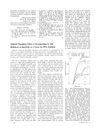
July 1967 in “Science” Decomposed tritiated thymidine is less accurate for DNA tracing, and hair changes can indicate malnutrition.
 4 citations
,
November 2016 in “Journal of Cutaneous Pathology”
4 citations
,
November 2016 in “Journal of Cutaneous Pathology” Three characteristics of plasmacytoid dendritic cells help tell apart lupus-related hair loss from LPP.
 2 citations
,
June 2024 in “International Journal of Drug Delivery Technology”
2 citations
,
June 2024 in “International Journal of Drug Delivery Technology” Advanced delivery systems can make dithranol more effective and less irritating for treating psoriasis.
45 citations
,
March 1997 in “Journal of Investigative Dermatology” 
A natural hair dye from cuttlefish ink and chitosan effectively colors hair black without harmful chemicals.
 13 citations
,
August 2007 in “Bioorganic & medicinal chemistry letters”
13 citations
,
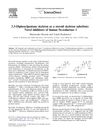
August 2007 in “Bioorganic & medicinal chemistry letters” A new compound effectively inhibits human 5α-reductase 1.
 13 citations
,
September 2010 in “Journal of Dermatological Science”
13 citations
,
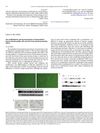
September 2010 in “Journal of Dermatological Science” Researchers made a cell line that grows quickly and can help with hair growth research.
17 citations
,
January 2016 in “Journal of Drug Delivery” PEG and keratin scaffolds can effectively deliver protein drugs by controlling release based on pH levels.
3 citations
,
April 2024 in “JAAD Case Reports” DPCP may be safe for treating alopecia during pregnancy, but more research is needed.

A rigid compound with a common structural motif was successfully synthesized.
 6 citations
,
June 2013 in “British Journal of Dermatology”
6 citations
,
June 2013 in “British Journal of Dermatology” Intense pulsed light treatment mainly damages pigmented hair parts but spares stem cells, allowing hair to regrow.
12 citations
,
September 2020 in “Nanomaterials” The new drug delivery system improves vitiligo treatment by enhancing melanocyte activity and viability.
45 citations
,
February 2011 in “IOP Conference Series Materials Science and Engineering” The sensor accurately measures thallium ions in solutions with high selectivity.
25 citations
,
August 2015 in “Molecules” Mimosine dipeptides are promising for treating hyperpigmentation and inflammation.
1 citations
,
January 2012 in “CINECA IRIS Institutial research information system (University of Pisa)” April 2026 in “Applied Materials Today” The dressing helps heal chronic wounds by swelling and releasing drugs when needed.
January 1990 in “Advances in forensic haemogenetics” Human hair protein patterns are inherited genetically.
2 citations
,
May 2006 in “Journal of Separation Science” The method effectively measures spermidine in hair lotions.
June 1996 in “Journal of Dermatological Science”  April 2026 in “Zenodo (CERN European Organization for Nuclear Research)”
 Natural hair dyes using plants like henna and indigo are safer and eco-friendly alternatives to synthetic dyes.
14 citations
,
September 2020 in “Journal of the American Academy of Dermatology” Electrical impedance spectroscopy improves biopsy accuracy and efficiency for skin lesions.
61 citations
,
January 2013 in “International Journal of Biological Macromolecules” Combining DHT and EDC improves the strength and stability of PADM scaffolds for tissue engineering.
 May 2017 in “Journal of The American Academy of Dermatology”
 595 nm pulsed dye laser is a cost-effective treatment for nonmelanoma skin cancer with a low recurrence rate.
 1 citations
,
July 2023 in “Journal of Biophotonics”
1 citations
,
July 2023 in “Journal of Biophotonics” Red light at 8 mW/cm2 most effectively promotes hair cell growth and affects key growth pathways, especially in cells treated with a hair loss-related hormone.