32 citations
,
May 2023 in “Preprints.org” Skin pigmentation varies due to genetics, UV exposure, and medications, with treatments available but requiring medical advice.
20 citations
,
February 2023 in “Biology” Innovative cosmetics could safely change hair color by targeting biological hair pigmentation processes.
 19 citations
,
January 2015 in “Current problems in dermatology”
19 citations
,
January 2015 in “Current problems in dermatology” Ultraviolet rays damage hair, smoking may cause hair loss, and good nutrition is important for hair health, but genetics mainly decide hair thickness.
11 citations
,
November 2003 in “PubMed” Treatments with certain oils and resins make hair shinier, while zinc oxide and synthetic sebum make it duller.
 5 citations
,
June 2024 in “Archives of Dermatological Research”
5 citations
,
June 2024 in “Archives of Dermatological Research” Fractional Er:YAG laser with PRP is more effective and has fewer side effects than microneedling with PRP for vitiligo.
4 citations
,
February 2023 in “International Journal of Stem Cells” The FTO gene hinders stem cells in hair follicles from becoming pigment cells.
 3 citations
,
July 2023 in “Plastic and reconstructive surgery/PSEF CD journals”
3 citations
,
July 2023 in “Plastic and reconstructive surgery/PSEF CD journals” Nanofat grafting improves scars, rejuvenates skin, and may help hair growth safely, but more research is needed.
1 citations
,
September 2024 in “Journal of Oncology Pharmacy Practice” Hydroxyurea treatment unexpectedly restored hair color from gray to dark brown in an older woman.
 December 2024 in “Antioxidants”
 Luteolin can reduce hair graying in mice, with external treatment being more effective.
 December 2022 in “Cureus”
 Hormones significantly influence hair growth, with conditions like hirsutism and patterned hair loss linked to hormone levels; more research is needed for full understanding.
 October 2022 in “Journal of advances in medicine and medical research”
 Low-level laser therapy combined with NB-UVB is a safe and potentially effective treatment for stable vitiligo.
 January 2007 in “Journal of the American Academy of Dermatology”
 A 73-year-old man's grey-white hair turned dark brown after eczema treatment.
29 citations
,
January 2013 in “The journal of investigative dermatology/Journal of investigative dermatology” P-cadherin is crucial for hair follicle pigmentation but not skin pigmentation.
15 citations
,
January 2017 in “Pigment International” Early hair graying is often inherited and influenced by genetics, environment, and lifestyle, but treatment options are limited.
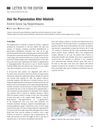 April 2025 in “Turkish Journal of Hematology”
 Nilotinib may cause gray hair to return to its original color.
 56 citations
,
November 2010 in “Pigment Cell & Melanoma Research”
56 citations
,
November 2010 in “Pigment Cell & Melanoma Research” Brain hormones significantly affect hair color and could potentially be used to prevent or reverse grey hair.
 January 2026 in “Dermatology Practical & Conceptual”
 Exosomes can improve skin elasticity, reduce wrinkles, and enhance hydration, but more research is needed.
6 citations
,
September 2010 in “Pigment Cell & Melanoma Research” We know less about human hair pigmentation than mouse coat color, but pH and cysteine levels are key factors.
 20 citations
,
October 2018 in “American Journal of Clinical Dermatology”
20 citations
,
October 2018 in “American Journal of Clinical Dermatology” Some drugs can cause skin and hair color changes, often reversible when the drug is stopped.
140 citations
,
August 2010 in “Pigment Cell & Melanoma Research” We know a lot about mouse hair color, but not much about human hair color differences.
7 citations
,
January 1992 in “Skin Pharmacology and Physiology” Minoxidil binds to hair pigment but doesn't affect hair growth.
 30 citations
,
June 2006 in “British journal of dermatology/British journal of dermatology, Supplement”
30 citations
,
June 2006 in “British journal of dermatology/British journal of dermatology, Supplement” Oral zinc sulphate reduces dark hair color in mice.
62 citations
,
December 1941 in “Experimental biology and medicine” Eating phenylthiocarbamide made all the rats' hair go gray, but some returned to their original color after stopping.
3 citations
,
July 2023 in “International Journal of Trichology” DPCP can help regrow hair in some people with severe alopecia.
 2 citations
,
July 2023 in “International Journal of Molecular Sciences”
2 citations
,
July 2023 in “International Journal of Molecular Sciences” BFNB could be a promising treatment for hair growth.
April 2015 in “한국생물공학회 학술대회” Finasteride reduces melanin production in skin cells.
April 2026 in “Journal of Cosmetic Dermatology” Exosomes from umbilical cord stem cells help protect hair color and health under stress.
May 2025 in “Biomedicine & Pharmacotherapy” Hyperbranched polymer dots significantly boost hair regrowth better than minoxidil.
November 2013 in “Institutional Repositories DataBase (IRDB)” Gamma-ray exposure during hair rest phase harms hair growth and color in mice.
29 citations
,
February 2011 in “PloS one” Astressin-B can reverse and prevent hair loss in stressed mice.