 260 citations
,
June 2011 in “Cell”
260 citations
,
June 2011 in “Cell” Wnt signaling is crucial for pigmented hair regeneration by controlling stem cell activation and differentiation.
 13 citations
,
August 2019 in “Biological & Pharmaceutical Bulletin”
13 citations
,
August 2019 in “Biological & Pharmaceutical Bulletin” Certain flavonoids help grow back colored hair after skin injury.
 5 citations
,
January 2015 in “Skin appendage disorders”
5 citations
,
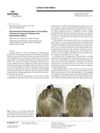
January 2015 in “Skin appendage disorders” Colored hair-thickening fibers can help hide hair loss in some people with Epidermolysis Bullosa but may cause scalp irritation.
 10 citations
,
May 2012 in “PloS one”
10 citations
,
May 2012 in “PloS one” Low ERCC3 gene activity is linked to non-pigmented hair growth.
 March 2019 in “Our Dermatology Online”
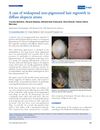
 A woman with severe hair loss regrew mostly white hair after treatment.
 2 citations
,
January 2019 in “Dermatology Review”
2 citations
,
January 2019 in “Dermatology Review” Pigmented vellus and upright regrowing hairs predict hair regrowth in severe alopecia.
A new method was developed to gently isolate hair pigment while keeping its structure intact.
7 citations
,
January 1992 in “Skin Pharmacology and Physiology” Minoxidil binds to hair pigment but doesn't affect hair growth.
 6 citations
,
December 2013 in “Journal of Cosmetic Dermatology”
6 citations
,
December 2013 in “Journal of Cosmetic Dermatology” Pigmented concealing powders can improve the look of hair density for people with hair loss but need daily application and may not work well in wet conditions.
6 citations
,
September 2017 in “Experimental and Therapeutic Medicine” Shortened PEDF peptides speed up skin wound healing by boosting cell growth.

The laser treatment effectively and safely improves hair lightening, pigment clearance, and skin rejuvenation.
21 citations
,
October 2007 in “Australasian Journal of Dermatology” A woman with hair loss regrew white hair after taking prednisolone.
 20 citations
,
January 2015 in “Current problems in dermatology”
20 citations
,
January 2015 in “Current problems in dermatology” Graying hair happens due to aging and might be delayed by new treatments.
 November 2022 in “Cosmetics”
 Red pigmented rice, like Sang-Yod rice, could help promote hair growth and prevent hair loss.
March 1998 in “JEADV. Journal of the European Academy of Dermatology and Venereology/Journal of the European Academy of Dermatology and Venereology” Removing a tumor may resolve associated skin and hair symptoms.
2 citations
,
September 2019 in “Neurology Neuroimmunology & Neuroinflammation” IVIg treatment improved symptoms but caused permanent dark hair loss.
2 citations
,
March 2024 in “Journal of Cosmetic Dermatology” White hair from alopecia areata can turn pigmented after treatment.
3 citations
,
March 1998 in “PubMed” A woman's skin and hair conditions improved after her cancerous tumor was removed.
 January 2026 in “SSRN Electronic Journal”
 Riboflavin with blue light speeds up hair dyeing, making it faster, safer, and long-lasting with less hair damage.
5 citations
,
July 2009 in “Clinical and experimental dermatology” December 2025 in “Sustainable Chemistry One World” Mangosteen waste can be used as an eco-friendly natural hair dye, producing a lasting reddish color and strengthening hair.
43 citations
,
October 2005 in “Molecular and cellular endocrinology” Hair melanocytes help the skin respond to stress and regulate hair pigmentation.
 759 citations
,
February 2009 in “Current Biology”
759 citations
,
February 2009 in “Current Biology” Hair follicles are complex, dynamic mini-organs that help us understand cell growth, death, migration, and differentiation, as well as tissue regeneration and tumor biology.
210 citations
,
May 2006 in “The FASEB journal” Oxidative stress causes hair to gray by damaging and killing pigment cells.
 185 citations
,
August 2005 in “Autoimmunity Reviews”
185 citations
,
August 2005 in “Autoimmunity Reviews” Alopecia areata is an autoimmune condition causing hair loss due to the immune system attacking hair follicles, often influenced by genetics and stress.
 165 citations
,
June 2007 in “European Journal of Cell Biology”
165 citations
,
June 2007 in “European Journal of Cell Biology” Hair follicle stem cells are key for hair and skin regeneration, can be reprogrammed, and have potential therapeutic uses, but also carry a risk of cancer.
152 citations
,
December 2003 in “Micron” As people age, their hair follicles produce less pigment, leading to gray and white hair, due to factors like reduced enzyme activity and damage to melanocyte DNA.
 43 citations
,
August 2008 in “Regenerative Medicine”
43 citations
,
August 2008 in “Regenerative Medicine” Scientists created early-stage hairs from mouse cells that grew into normal, pigmented hair when implanted into other mice.
 41 citations
,
June 2013 in “PLOS ONE”
41 citations
,
June 2013 in “PLOS ONE” Engineered skin substitutes can grow hair but have limitations like missing sebaceous glands and hair not breaking through the skin naturally.
39 citations
,
March 2022 in “Nature Protocols” Scientists created hair-growing skin models from stem cells, which could help treat hair loss and skin diseases.