2 citations
,
April 2020 in “International journal of research in pharmaceutical sciences” Using Malaysian medicinal plants in cosmetics can treat skin and hair issues with fewer side effects than synthetic products.
1 citations
,
January 2025 in “JBRA” Herbal remedies may help manage PCOS symptoms with fewer side effects.
1 citations
,
April 1961 in “OSTI OAI (U.S. Department of Energy Office of Scientific and Technical Information)” Radiation affects plant growth differently, with high doses being harmful, but some lower doses can increase yield.
 May 2026 in “International Journal of Drug Delivery Technology”
 Nanotechnology improves the effectiveness of medicinal plant compounds in drug delivery.
 April 2026 in “Frontiers in Pharmacology”
 Traditional Thai medicinal plants show promise for treating hemorrhoids.
April 2026 in “bioRxiv (Cold Spring Harbor Laboratory)” Different expansin genes affect root hair growth in plants due to their diverse functions and evolutionary changes.
 January 2026 in “Zenodo (CERN European Organization for Nuclear Research)”
 Polyherbal shampoos with medicinal plants are safer and more effective for dandruff than traditional shampoos.
 January 2026 in “Zenodo (CERN European Organization for Nuclear Research)”
 Polyherbal shampoos with medicinal plants are a safer and effective way to treat dandruff.
November 2025 in “Preprints.org” Monosaccharide composition in plant polysaccharides significantly affects their biological activities and therapeutic potential.
 October 2025 in “Interdiciplinary Journal and Hummanity (INJURITY)”
 Kalimantan herbal plants have beneficial compounds supporting traditional medicine and potential therapeutic uses.
 November 2024 in “International Journal of Agricultural Invention”
 Amla is a nutritious fruit with many health benefits, including boosting immunity and fighting diseases.
 October 2024 in “International Journal of Biology Pharmacy and Allied Sciences”
 Herbal treatments are gaining interest as alternatives for hair loss.
 March 2024 in “Journal of medicinal plants studies”
 Hibiscus has medicinal benefits but can be toxic in high doses and is unsafe for pregnant women and infants.

The system helps lavender plants grow better by monitoring and adjusting their environment.
 July 2023 in “Biodiversitas”
 Sundanese mothers in a rural village in West Java use plants for maternal care.
 July 2023 in “Journal of the Mexican chemical society”
 Hibiscus rosa-sinensis leaf extract might help reduce fat absorption and could be used to treat obesity.
 February 2023 in “Asian journal of pharmaceutical research and development”
 Flavonoids in Iraqi marshland plants have potential health benefits like antioxidant and anti-inflammatory effects.
 August 2022 in “International Journal of Current Science Research and Review”
 Ayurveda can make poisonous plants medicinal through specific purification processes.
 November 2021 in “Journal of pharmaceutical research international”
 Herbal depilatories are safer and cause fewer side effects than chemical ones for hair removal.
CCC1 is essential for pH balance and normal cell function in plants.
CCC1 is essential for ion balance and proper plant cell function.
 January 2021 in “Middle East journal of applied sciences”
 Zinc is essential for plant growth and human health, but many soils lack enough zinc, affecting crops and potentially leading to health problems.
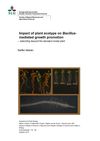 September 2018 in “Epsilon Archive for Student Projects (University of Southampton)”
 Bacillus amyloliquefaciens can boost root hair growth in some Arabidopsis plants, potentially improving agriculture.
Three Indian medicinal plant compounds help hair growth.
Some Himalayan plants with higher antioxidant activity can promote hair growth better.
April 2011 in “Journal of Medicinal Plants Research” Ocimum basilicum L. and red Oryza sativa L. may help with hair loss and prostate issues.
Root hairs help us understand plant growth and the role of the actin cytoskeleton.
 March 2023 in “International Journal of Advanced Research in Science, Communication and Technology”
 Various medicinal plants like Polygonum multiflorum, Red ginseng extract, and Zizyphus jujuba can potentially treat hair loss, offering benefits like low cost and multiple ways of working. Other effective natural substances include Pygeum africanum, Seneroa, Urtica dioica, and more.
February 2023 in “Journal of Plant Physiology” 11 citations
,
January 1996 in “PubMed” Imaging living plant cells shows dynamic changes in actin and endoplasmic reticulum linked to root hair growth.