
PlacMA hydrogels from human placenta are versatile and useful for cell culture and tissue engineering.
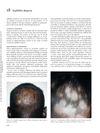 April 2012 in “Informa Healthcare eBooks”
 Syphilitic alopecia is a rare hair loss condition in secondary syphilis that looks similar to another condition but can be diagnosed with specific tests and responds to antibiotics.
 12 citations
,
February 2025 in “Scientific Reports”
12 citations
,
February 2025 in “Scientific Reports” MSC-EVs and UCB-EVs improve skin wound healing and reduce scarring.
 January 2026 in “Archives of Internal Medicine Research”
 PRP, exosomes, and physical therapies show promise for hair and tissue repair, but need more research for optimization.
 October 2023 in “Biomaterials”
 Nanotechnology could improve hair regrowth but faces challenges like complexity and safety concerns.
 39 citations
,
July 2021 in “Stem Cell Research & Therapy”
39 citations
,
July 2021 in “Stem Cell Research & Therapy” Using fat stem cells and blood cell-rich plasma together improves healing in diabetic wounds by affecting cell signaling.
 December 2025 in “ADMET & DMPK”
 Personalized treatments for hair loss focus on specific genetic and biological pathways.
November 2025 in “Cosmetics” Autologous Micrografting Technology effectively improves hair growth and is a safe, promising option for hair restoration.
 76 citations
,
April 2013 in “PLoS ONE”
76 citations
,
April 2013 in “PLoS ONE” Chronic stress can cause hair loss by increasing oxidative stress, but antioxidants may help.
 42 citations
,
February 2021 in “Signal Transduction and Targeted Therapy”
42 citations
,
February 2021 in “Signal Transduction and Targeted Therapy” Hair follicle regeneration possible, more research needed.
27 citations
,
July 2020 in “Stem Cells International” ADSC therapy is more effective and safer for treating photoaged skin than PRP.
25 citations
,
February 2025 in “Frontiers in Bioengineering and Biotechnology” New skin repair methods show promise but need to be safer and more accessible.
 19 citations
,
January 2017 in “Stem Cells International”
19 citations
,
January 2017 in “Stem Cells International” Adipose-derived stem cells show promise in treating skin conditions like vitiligo, alopecia, and nonhealing wounds.
 17 citations
,
January 2010 in “PubMed”
17 citations
,
January 2010 in “PubMed” Optimal storage solutions and effective additives are crucial for improving the survival of hair transplant grafts.
16 citations
,
April 2021 in “Frontiers in Cell and Developmental Biology” New hair follicles could be created to treat hair loss.
 11 citations
,
September 2012 in “Journal of obstetrics and gynaecology Canada”
11 citations
,
September 2012 in “Journal of obstetrics and gynaecology Canada” Testosterone therapy seems safe for short-term use in postmenopausal women with low sexual desire, but more research on long-term effects is needed.
5 citations
,
March 2022 in “Frontiers in Medicine” PRP is effective for treating hair loss, especially with other treatments.

New treatments for hair loss, including a compound called "ALRV5XR", platelet-rich plasma, and Adult Stem Cell-based therapy, are showing promise, but more trials are needed for confirmation.
 3 citations
,
December 2020 in “Journal of the turkish academy of dermatology”
3 citations
,
December 2020 in “Journal of the turkish academy of dermatology” Stromal Vascular Fraction treatment increases hair density and thickness, making it a safe and effective treatment for Androgenetic Alopecia.
 3 citations
,
January 2019 in “International Journal of Trichology”
3 citations
,
January 2019 in “International Journal of Trichology” The article concludes that treating hair loss requires careful research, understanding the causes, and personalized treatment plans.
2 citations
,
July 2025 in “Journal of Cosmetic Dermatology” Cosmetic dermatology is improving with new technologies but faces ethical and regulatory challenges.
 2 citations
,
March 2015 in “Expert opinion on orphan drugs”
2 citations
,
March 2015 in “Expert opinion on orphan drugs” New treatments for hair loss show promise but need more research to confirm safety and effectiveness.
1 citations
,
January 2024 in “Brazilian Journal of Health Review” Topical Minoxidil 5% is the most effective treatment for hair loss, especially when combined with other treatments.
 1 citations
,
July 2023 in “Cureus”
1 citations
,
July 2023 in “Cureus” Some treatments for hereditary hair loss are effective but vary in results and side effects; new therapies show promise but need more research.
 1 citations
,
January 2014 in “Journal of Cutaneous and Aesthetic Surgery”
1 citations
,
January 2014 in “Journal of Cutaneous and Aesthetic Surgery” Regenerative medicine shows promise for aesthetic surgery, but needs more research for widespread use.
 May 2026 in “Premier journal of science.”
 Future treatments for hair loss may focus on personalized and regenerative approaches.
 May 2026 in “Zenodo (CERN European Organization for Nuclear Research)”
 New treatments for alopecia focus on personalized plans to improve hair regrowth and reduce side effects.
 May 2026 in “Zenodo (CERN European Organization for Nuclear Research)”
 New treatments for hair loss focus on personalized and regenerative approaches for better results.
 April 2026 in “Brazilian Journal of Hair Health”
 Perifollicular fibrosis hinders hair regrowth in androgenetic alopecia, and new treatments targeting fibrosis are needed.
 April 2026 in “International Journal of Drug Delivery Technology”
 Alopecia can often be managed effectively with various treatments, but early diagnosis is crucial for preventing permanent hair loss.