 22 citations
,
August 2017 in “Stem cells and cloning”
22 citations
,
August 2017 in “Stem cells and cloning” Stem cell technologies and regenerative medicine, including platelet-rich plasma, show promise for hair restoration in treating hair loss, but more research is needed.
 17 citations
,
January 2010 in “PubMed”
17 citations
,
January 2010 in “PubMed” Optimal storage solutions and effective additives are crucial for improving the survival of hair transplant grafts.
 5 citations
,
February 2013 in “Journal of Liquid Chromatography & Related Technologies”
5 citations
,
February 2013 in “Journal of Liquid Chromatography & Related Technologies” Method accurately measures finasteride concentration in medicine.
 1 citations
,
March 2021 in “Current Dermatology Reports”
1 citations
,
March 2021 in “Current Dermatology Reports” Various treatments help hair growth, but more research needed for safety and effectiveness.

Current treatments for androgenetic alopecia have limitations, and personalized approaches and new methods are needed for better results.
January 2026 in “Clinical Dermatology Review” Platelet-rich plasma therapy improves hair growth and health in androgenetic alopecia better than some FDA-approved treatments.
 December 2025 in “International Journal of Innovative Technologies in Social Science”
 Effective treatments for hair loss include minoxidil, 5α-reductase inhibitors, and personalized combination therapies.
 December 2025 in “IP Indian Journal of Clinical and Experimental Dermatology”
 Androgenetic alopecia treatments are becoming more personalized and include new therapies like topical antiandrogens and regenerative strategies.
 July 2025 in “Clinical Cosmetic and Investigational Dermatology”
 PRP therapy effectively improves hair density and reduces hair loss in androgenetic alopecia.

Various treatments exist for hair loss, but no definitive solution.

There are many treatments for common hair loss, but more trials are needed to decide which are best.
 April 2021 in “Advances in Cosmetic Surgery”
 Hair restoration can be achieved through non-surgical treatments like minoxidil, antiandrogens, phototherapy, and PRP procedures, or through surgical methods like hair transplantation. Continued treatment is needed to maintain results, and full results are visible after 12-18 months.
 April 2019 in “Advances in Cosmetic Surgery”
 The document concludes that ongoing medical therapy is crucial for preventing hair loss, and surgical options can restore hair, with future treatments for hair loss being promising.
 October 2018 in “InTech eBooks”
 The most effective treatments for hair loss are minoxidil, finasteride, PRP, and hair transplants, with steroids and immunosuppressants for autoimmune types.
 August 2010 in “The Journal of Dermatology”
 The document concludes that low-dose acne treatment is most suitable for moderate acne, with high patient satisfaction and low relapse rates.
 November 2020 in “Postepy Dermatologii I Alergologii”
 Sulfotransferase SULT1A1 activity may predict minoxidil treatment success for hair loss.
 23 citations
,
October 2018 in “Expert Opinion on Drug Safety”
23 citations
,
October 2018 in “Expert Opinion on Drug Safety” Consider benefits and risks of new alopecia treatments for safety.
 22 citations
,
October 2018 in “Aesthetic Plastic Surgery”
22 citations
,
October 2018 in “Aesthetic Plastic Surgery” Understanding hair follicle biology and stem cell control could lead to new hair loss treatments.
 7 citations
,
February 2021 in “Dermatologic Therapy”
7 citations
,
February 2021 in “Dermatologic Therapy” Sebaceous glands are involved in various skin disorders, some treatable with medications like finasteride and minoxidil.
 April 2026 in “International Journal of Drug Delivery Technology”
 Alopecia can often be managed effectively with various treatments, but early diagnosis is crucial for preventing permanent hair loss.
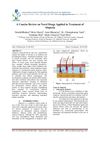
New therapies like JAK inhibitors, PRP, and stem cell treatments show promise for better alopecia management.
 March 2024 in “International journal of pharmaceutical sciences and drug research”
 Androgenetic alopecia is influenced by various factors and can be treated with medications, procedures, and non-drug methods.
 November 2019 in “Journal of Aesthetic Nursing”
 The article concludes that a thorough diagnosis and treatment plan, including medications, non-invasive methods, or surgery, is important for managing hair loss, with a combination of minoxidil and finasteride being particularly effective.
 February 2018 in “Medicine - Programa De Formación Médica Continuada Acreditado”
 Minoxidil and finasteride are the main FDA-approved treatments for hair loss, with other methods showing promise but lacking strong evidence.
 9 citations
,
February 2018 in “Journal of Pharmaceutical and Biomedical Analysis”
9 citations
,
February 2018 in “Journal of Pharmaceutical and Biomedical Analysis” Quick, selective detection of tadalafil and finasteride in human plasma developed.
IVL-DrugFluidic® can mass-produce high-quality, long-acting injectable drug microspheres, improving patient compliance and reducing side effects.
 March 2026 in “Preprints.org”
 Platelet-rich plasma, microneedling with minoxidil, and topical finasteride are promising treatments for hair loss.
May 2023 in “Clinical, Cosmetic and Investigational Dermatology” More personalized and effective treatments for androgenetic alopecia are needed.
 September 2025 in “Journal of Cutaneous Medicine and Surgery”
 Experts recommend specific treatments like minoxidil and finasteride for managing hereditary hair loss.
17 citations
,
November 2021 in “Journal of Cosmetic Dermatology” Combination therapies for androgenetic alopecia work best but can have significant side effects and costs.