1 citations
,
January 2021 PRP is effective for treating patchy alopecia areata.
1 citations
,
November 2016 in “Saengmyeong gwahag hoeji/Saengmyeong gwahak hoeji” New treatments for the autoimmune hair loss condition alopecia areata may include JAK inhibitors and other immunomodulators.
 July 2026 in “Quality in Sport”
 New treatments for alopecia areata focus on targeted drugs and regenerative therapies, but challenges remain.
 May 2026 in “Premier journal of science.”
 Future treatments for hair loss may focus on personalized and regenerative approaches.
 May 2026 in “Zenodo (CERN European Organization for Nuclear Research)”
 New treatments for alopecia focus on personalized plans to improve hair regrowth and reduce side effects.
 May 2026 in “Zenodo (CERN European Organization for Nuclear Research)”
 New treatments for hair loss focus on personalized and regenerative approaches for better results.
 April 2026 in “International Journal of Drug Delivery Technology”
 Alopecia can often be managed effectively with various treatments, but early diagnosis is crucial for preventing permanent hair loss.
January 2026 in “Journal of Dermatology Research and Therapy” Combination therapy effectively regrows hair and reduces severity in Black children with stubborn Alopecia Areata.
Hair restoration is advancing with new treatments and needs collaboration across fields for effective, evidence-based care.
January 2026 in “Aesthetic Surgery Journal Open Forum” Future hair loss treatments focus on non-invasive and regenerative methods, needing more clinical trials.
 December 2025 in “IP Indian Journal of Clinical and Experimental Dermatology”
 Androgenetic alopecia treatments are becoming more personalized and include new therapies like topical antiandrogens and regenerative strategies.
December 2025 in “Medicine - Programa de Formación Médica Continuada Acreditado” Recent advancements in hair loss treatments include new therapies and insights for different types of alopecia.
 November 2025 in “Journal of Investigative Dermatology”
 Combination therapy, including JAK inhibitors, effectively regrows hair and reduces severity in Black children with stubborn Alopecia Areata.
July 2025 in “International Journal of Trichology” Biological factors are crucial for developing new hair restoration treatments.
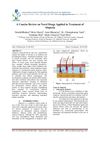
New therapies like JAK inhibitors, PRP, and stem cell treatments show promise for better alopecia management.
 April 2024 in “Expert opinion on investigational drugs”
 JAK inhibitors are safe and effective for treating moderate-to-severe alopecia areata.
 July 2023 in “JAAD International”
 Two drugs, finasteride and minoxidil, are approved for hair loss treatment, but new therapies are being developed.
 May 2023 in “Elsevier eBooks”
 Systemic immunotherapies are used for immune-related hair loss but not usually for genetic hair loss, unless the patient has both conditions.
July 2022 in “British Journal of Dermatology” JAK inhibitors show promise for treating alopecia areata.
 March 2022 in “Wound practice & research”
 New treatments for alopecia areata show promise, but standardized guidelines are needed.
Alopecia Areata has no cure, treatments are limited, and the condition often recurs, but new therapies like JAK inhibitors show promise.
 March 2019 in “Dermatologic Clinics”
 The document concludes that there have been significant advances in the treatment and diagnosis of various skin conditions.
New treatments for alopecia areata, like JAK inhibitors and immunomodulators, are promising.
 December 2023 in “Journal of Cosmetic Dermatology”
 Baricitinib effectively and safely improves hair growth in patients with severe alopecia areata.
January 2022 in “Faculty of 1000 Research Ltd” Understanding molecular mediators can improve skin healing treatments.
 January 2022 in “Clinical Cases in Dermatology”
 Androgenetic alopecia, a common hair loss condition, can be treated with topical minoxidil, oral finasteride, or oral spironolactone, and new treatments like platelet-rich plasma, low-level laser therapy, and janus-kinase inhibitors are being explored.
 April 2023 in “Journal of Pakistan Medical Association”
 Baricitinib is effective in promoting hair growth in severe alopecia areata.
 56 citations
,
January 2021 in “Clinical and Experimental Medicine”
56 citations
,
January 2021 in “Clinical and Experimental Medicine” The document concludes that while there are various treatments for Alopecia Areata, there is no cure, and individualized treatment plans are essential due to varying effectiveness.
 17 citations
,
August 2015 in “Expert Opinion on Pharmacotherapy”
17 citations
,
August 2015 in “Expert Opinion on Pharmacotherapy” The document concludes that oral finasteride and topical minoxidil are effective for genetic hair loss, while other treatments for different types of hair loss show promise but need more research.
 8 citations
,
October 2022 in “Regenerative Therapy”
8 citations
,
October 2022 in “Regenerative Therapy” New regenerative treatments for hair loss show promise but need more research for confirmation.