 65 citations
,
April 2020 in “International Journal of Molecular Sciences”
65 citations
,
April 2020 in “International Journal of Molecular Sciences” PRP injections may be a safe, effective alternative for hair loss treatment compared to minoxidil and finasteride.
 22 citations
,
October 2019 in “Dermatologic Surgery”
22 citations
,
October 2019 in “Dermatologic Surgery” Both Platelet-Rich Plasma and Minoxidil foam increase hair count in women with hair loss, but Minoxidil is more effective. However, women were more satisfied with Platelet-Rich Plasma treatment.
 12 citations
,
January 2013 in “IOSR Journal of Agriculture and Veterinary Science”
12 citations
,
January 2013 in “IOSR Journal of Agriculture and Veterinary Science” Homogenous PRP gel heals goat skin wounds best, promoting quick recovery and hair growth.
 12 citations
,
April 2015 in “InTech eBooks”
12 citations
,
April 2015 in “InTech eBooks” Platelet Rich Plasma (PRP) shows promise for tissue repair and immune response, but more research is needed to fully understand it and optimize its use.
 11 citations
,
May 2021 in “Journal of Cosmetic Dermatology”
11 citations
,
May 2021 in “Journal of Cosmetic Dermatology” Platelet-rich plasma therapy could be an effective treatment for melasma with minimal side effects.
 6 citations
,
April 2022 in “Cellular and Molecular Life Sciences”
6 citations
,
April 2022 in “Cellular and Molecular Life Sciences” Angio PRP speeds up skin wound healing and reduces inflammation.
 5 citations
,
January 2021 in “IEEE Access”
5 citations
,
January 2021 in “IEEE Access” Electric pulses can effectively activate platelets and release growth factors, offering a better alternative to traditional methods.
 4 citations
,
October 2024 in “BMC Oral Health”
4 citations
,
October 2024 in “BMC Oral Health” Platelet-rich fibrin shows promise for treating oral lesions but needs more research.
 3 citations
,
August 2021 in “Veterinary World”
3 citations
,
August 2021 in “Veterinary World” PRP heals sheep skin wounds better than honey.
 1 citations
,
October 2023 in “European journal of histochemistry”
1 citations
,
October 2023 in “European journal of histochemistry” Ozone and procaine boost the release of healing factors in platelet-rich plasma.

Autologous platelet concentrates help heal and regenerate dental tissues.
 August 2025 in “Research Square (Research Square)”
 High TNF-α levels may increase hair loss risk after PRP therapy.
 12 citations
,
June 2020 in “Dermatology and therapy”
12 citations
,
June 2020 in “Dermatology and therapy” Platelet-Rich Plasma (PRP) can promote new hair growth and increase hair density, but its effectiveness varies depending on the type of hair loss.
 11 citations
,
May 2021 in “Dermatologic clinics”
11 citations
,
May 2021 in “Dermatologic clinics” PRP and cell therapies may help with hair loss, but more research is needed.
 8 citations
,
August 2020 in “Experimental dermatology”
8 citations
,
August 2020 in “Experimental dermatology” PRP therapy for alopecia shows inconsistent results due to natural variability in growth factor secretion by platelets.
 January 2026 in “Forum Dermatologicum”
 Platelet-rich plasma helps improve skin and hair conditions.
 1 citations
,
June 2024 in “BMC Oral Health”
1 citations
,
June 2024 in “BMC Oral Health” Autologous platelet concentrates can effectively treat oral lichen planus like topical steroids.
 8 citations
,
February 2022 in “Journal of Clinical Medicine Research”
8 citations
,
February 2022 in “Journal of Clinical Medicine Research” The MATH+ protocol aims to improve COVID-19 outcomes using a combination of specific treatments.
 3 citations
,
December 2020 in “bioRxiv (Cold Spring Harbor Laboratory)”
3 citations
,
December 2020 in “bioRxiv (Cold Spring Harbor Laboratory)” PRP improves short-term pain and function in shoulder injuries, but long-term benefits are unclear.
 2 citations
,
July 2024 in “Cureus”
2 citations
,
July 2024 in “Cureus” Injecting endometrial cells and PRP can improve pregnancy chances in ART.
 May 2023 in “Tạp chí Da liễu học Việt Nam”
 Histopathological examination is essential for diagnosing alopecia areata.
 47 citations
,
October 2014 in “Expert Opinion on Emerging Drugs”
47 citations
,
October 2014 in “Expert Opinion on Emerging Drugs” New alopecia treatments aim for better results and fewer side effects.
 16 citations
,
January 2013 in “Indian Journal of Dermatology, Venereology and Leprology”
16 citations
,
January 2013 in “Indian Journal of Dermatology, Venereology and Leprology” New treatments and early diagnosis methods for permanent hair loss due to scar tissue are important for managing its psychological effects.
 5 citations
,
September 1989 in “Journal of The American Academy of Dermatology”
5 citations
,
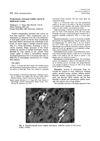
September 1989 in “Journal of The American Academy of Dermatology” Talc in street cocaine can cause immune-reactive skin nodules where injected.
 October 2018 in “InTech eBooks”
 The most effective treatments for hair loss are minoxidil, finasteride, PRP, and hair transplants, with steroids and immunosuppressants for autoimmune types.
 70 citations
,
February 2017 in “Dermatologic Surgery”
70 citations
,
February 2017 in “Dermatologic Surgery” Treatment with plasma rich in growth factors improved hair density and thickness for hair loss patients.
 48 citations
,
April 2013 in “Expert Opinion on Investigational Drugs”
48 citations
,
April 2013 in “Expert Opinion on Investigational Drugs” Possible new treatments for common hair loss include drugs, stem cells, and improved transplants.
 8 citations
,
August 2019 in “Dermatologic surgery”
8 citations
,
August 2019 in “Dermatologic surgery” Nonsteroid treatments for alopecia areata show promise but need more high-quality research.
 4 citations
,
March 2021 in “Parasitology Research”
4 citations
,
March 2021 in “Parasitology Research” Besnoitiosis, a parasitic disease, has been found in donkeys in Italy and may be more common in Europe than previously thought.
 January 2024 in “International Journal of Dermatology Research”
 PRP is more effective than triamcinolone for treating alopecia areata.