50 citations
,
June 1993 in “European journal of biochemistry” Intermediate filaments are crucial for cell structure and function, regulated by specific genes and proteins.
July 2013 in “Pharmaceutical Regulatory Affairs Open Access” Formulation F1 is the best for delivering finasteride effectively.
June 2020 in “The journal of investigative dermatology/Journal of investigative dermatology” Scientists found new and known long non-coding RNAs in mouse hair follicle stem cells that may be important for stem cell function and could be targets for cancer treatment.
 14 citations
,
January 2020 in “Biomaterials Science”
14 citations
,
January 2020 in “Biomaterials Science” Created microspheres show potential for safe and effective use in prostate artery embolization.
 January 2022 in “Social Science Research Network”
 A special coating was made for artificial hair fibers that can slowly release silver ions for up to 56 days, providing long-term protection against bacteria and inflammation.
5 citations
,
January 2021 in “Animal Production Science” Lipid metabolism affects wool fiber diameter in sheep.
7 citations
,
April 1996 in “British Journal of Dermatology” Hair structural proteins are synthesized sequentially in specific cells, offering a new way to study hair proteins and defects.
 263 citations
,
February 2011 in “Journal of Controlled Release”
263 citations
,
February 2011 in “Journal of Controlled Release” Medium-sized particles penetrate hair follicles better than smaller or larger ones, which could improve delivery of skin treatments.
 November 2023 in “Journal of the Taiwan Institute of Chemical Engineers”
 Scientists made nanoparticles from human hair proteins to improve drug delivery.
January 1994 in “Memorial University Research Repository (Memorial University)” Oleosomes help cell growth in Sesbania rostrata nodules but don't aid nitrogen fixation.
 2 citations
,
April 2021 in “International Journal of Pharmaceutics”
2 citations
,
April 2021 in “International Journal of Pharmaceutics” Serum formulations were better at delivering molecules to the hair bulb than nanoparticles.
December 2019 in “RIUnB Institutional Repository (University of Brasília)” NP-AH-CDM-4 nanoparticles show promise for effective topical acne treatment.
 18 citations
,
February 2023 in “PLoS ONE”
18 citations
,
February 2023 in “PLoS ONE” A new triple drug system using nanoparticles effectively targets breast tumors in 3D models.
July 2024 in “Journal of Investigative Dermatology”  140 citations
,
January 2009 in “JEADV. Journal of the European Academy of Dermatology and Venereology/Journal of the European Academy of Dermatology and Venereology”
140 citations
,
January 2009 in “JEADV. Journal of the European Academy of Dermatology and Venereology/Journal of the European Academy of Dermatology and Venereology” Liposomes improve drug delivery and reduce skin irritation in dermatology.
26 citations
,
December 2022 in “Molecules” Nanotechnology can improve treatments for skin discoloration.
2 citations
,
November 2024 in “In Silico Pharmacology”  35 citations
,
May 2019 in “Frontiers in genetics”
35 citations
,
May 2019 in “Frontiers in genetics” Non-coding RNAs play key roles in the hair growth cycle of Angora rabbits.
 March 2024 in “Advanced healthcare materials/Advanced Healthcare Materials”
 Scientists developed a new way to create skin-like structures from stem cells using a special 3D gel and a device that improves cell organization and increases hair growth.
11 citations
,
August 2022 in “Green Chemical Engineering” Engineered polypeptide-based systems can improve cancer treatment by targeting specific sites and reducing side effects.
29 citations
,
December 2021 in “Pharmaceutics” Phospholipid soft vesicles improve topical drug delivery for better skin condition treatments.
39 citations
,
September 2019 in “Materials & Design” Combinatorial drug treatments are more effective than single drugs for cancer therapy.
 2 citations
,
April 2021 in “bioRxiv (Cold Spring Harbor Laboratory)”
2 citations
,
April 2021 in “bioRxiv (Cold Spring Harbor Laboratory)” The conclusion is that analyzing RNA from skin oils is a promising way to understand skin diseases.
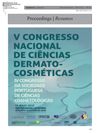 June 2015 in “Biomedical and biopharmaceutical research”
 The congress showed advancements in skin hydration, barrier function, and safe, effective new cosmetic formulations.
 3 citations
,
December 2016 in “Universal journal of pharmaceutical research”
3 citations
,
December 2016 in “Universal journal of pharmaceutical research” Finasteride, a drug used for anti-hyperplasia, can be effectively delivered in the form of matrix tablets.
57 citations
,
January 1987 in “Journal of Biological Chemistry” Different keratins have unique expression patterns in mouse skin cells.
24 citations
,
March 2024 in “Small Science” Single-cell encapsulation shows promise for medical use but faces production challenges.
July 2026 in “International Science Journal” Exosomes and polynucleotides improve skin rejuvenation and healing but need more research for long-term safety and guidelines.
January 2026 in “SSRN Electronic Journal” May 2005 in “Molecular Carcinogenesis” mrp/plf-mRNA can indicate tumor-promoting effects in skin.