January 2024 in “Veterinary Science and Medicine Journal” The Pomeranian recovered well after treatment for pneumonia and demodecosis.
 September 1997 in “Journal of The European Academy of Dermatology and Venereology”
 Skin lymphoproliferative disorders are hard to diagnose and often linked to systemic diseases, but most have a good prognosis with accurate diagnosis.
9 citations
,
January 2011 in “American Journal of Dermatopathology” Pilomatrixoma involves abnormal hair keratin production and cell death, causing debris and cysts.
79 citations
,
October 2003 in “PubMed” Overexpression of PKCepsilon leads to increased TNFalpha, promoting metastatic squamous cell carcinoma in mice.
13 citations
,
April 1982 in “The Journal of Dermatology” Poly(ADP-ribose) synthesis is linked to skin cell differentiation.
 3 citations
,
July 2021 in “Life science alliance”
3 citations
,
July 2021 in “Life science alliance” PNKP is essential for keeping adult mouse progenitor cells healthy and growing normally.
 December 2025 in “Al-Iraqia Medical College Journal”
 Virus infection risk is linked to heat tolerance and size, but decreases with high humidity and mutation rate.
 9 citations
,
May 1989 in “Journal of the Royal Society of Medicine”
9 citations
,
May 1989 in “Journal of the Royal Society of Medicine” An elderly woman's swollen, painful foot was found to be caused by a rare type of bone lymphoma, which improved with radiation treatment.
6 citations
,
March 2023 in “Frontiers in Cellular and Infection Microbiology” Golvatinib shows promise as a treatment for Omicron in elderly patients.
 176 citations
,
June 2016 in “PLoS ONE”
176 citations
,
June 2016 in “PLoS ONE” Nucleic acid polymers can enhance antiviral responses and improve treatment outcomes for chronic hepatitis B.
 July 2023 in “Clinical, cosmetic and investigational dermatology”
 Plica neuropathica can be a sign of schizophrenia and improves with antipsychotic treatment.
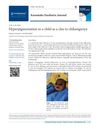 November 2024 in “Karnataka Pediatric Journal”
 Chikungunya can cause hyperpigmentation in children and should be considered in diagnosis.
7 citations
,
August 2017 in “European journal of endocrinology” Mutations in the POC1A gene can cause a unique form of extreme insulin resistance and short stature.
 4 citations
,
February 2022 in “JEADV Clinical Practice”
4 citations
,
February 2022 in “JEADV Clinical Practice” COVID-19 can cause various skin issues in children, mostly not severe, with chilblain-like lesions being common, especially in adolescents.
January 2003 in “Linchuang pifuke zazhi” A benign skin tumor was removed from a man's leg, and it didn't come back after 9 months.
 5 citations
,
July 2022 in “Orphanet journal of rare diseases”
5 citations
,
July 2022 in “Orphanet journal of rare diseases” RSPO1 mutations in certain patients lead to skin cells that don't develop properly and are more likely to become invasive, increasing the risk of skin cancer.
 March 2025 in “MAEDICA – a Journal of Clinical Medicine”
 COVID-19 may worsen symptoms of benign prostatic hyperplasia (BPH).
 2 citations
,
January 2005 in “The Japanese Journal of Veterinary Dermatology”
2 citations
,
January 2005 in “The Japanese Journal of Veterinary Dermatology” Abnormal adrenal function is not the cause of alopecia in Pomeranians; it may be due to breed-specific hormones.
136 citations
,
March 1998 in “Oncogene” Overexpression of E2F1 can lead to skin tumors and disrupt hair growth.
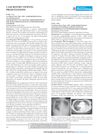 May 2025 in “The Journal of Rheumatology”
 Atypical symptoms in lupus can indicate different kidney issues.
7 citations
,
January 2017 in “International Journal of Trichology” Chemotherapy and certain hair care practices can cause severe hair matting.
16 citations
,
May 2017 in “Journal of Clinical Ultrasound” A rare finger tumor was imaged, showing a unique pattern not seen before.
35 citations
,
October 2021 in “Journal of the European Academy of Dermatology and Venereology” COVID-19 vaccination may trigger recurrence of cutaneous T-cell lymphoma in some patients.
3 citations
,
November 2022 in “Frontiers in Medicine” Onychopapilloma likely originates from the nail bed, not the nail matrix.
4 citations
,
March 2003 in “International Journal of Dermatology” Pimozide treatment resolved cysts and partially restored cheek fat in a man with Barraquer–Simons syndrome.
January 1990 in “대한피부과학회지” Peanut agglutinin staining helps differentiate malignant melanoma from nevocellular nevus.
4 citations
,
August 2022 in “Cells” lncRNA2919 slows down rabbit hair growth by stopping cell growth and causing cell death.
 1 citations
,
May 2021 in “Mayo Clinic Proceedings”
1 citations
,
May 2021 in “Mayo Clinic Proceedings” A 69-year-old man with sinus infection and fainting spells was diagnosed with a rare kidney disease, treated with steroids and a specific drug, which improved his condition.
4 citations
,
September 2011 in “Journal of the American Academy of Dermatology” A man developed a skin cancer called folliculotropic mycosis fungoides after a kidney transplant.
 1 citations
,
July 2023 in “Cureus”
1 citations
,
July 2023 in “Cureus” A rare hair disorder with multiple hairs from one follicle was found on a patient's abdomen.