 1 citations
,
July 2023 in “Cureus”
1 citations
,
July 2023 in “Cureus” A rare hair disorder with multiple hairs from one follicle was found on a patient's abdomen.
 November 2021 in “Authorea (Authorea)”
 PRP treatments and hair transplantation may be linked to the progression of pseudolymphoma to lymphoma.
70 citations
,
August 2006 in “Cancer Research” AP-1 controls tumor cell type by affecting key signaling pathways.
10 citations
,
April 2003 in “Clinical neurology and neurosurgery” Autoimmune polyglandular syndrome can cause temporary brain issues that may improve on their own.
 4 citations
,
August 2017 in “Journal of cutaneous pathology”
4 citations
,
August 2017 in “Journal of cutaneous pathology” An 8-year-old girl had a rare, benign skin tumor on her forehead.
23 citations
,
March 2017 in “JAAD case reports” The document suggests a possible link between FAM111B gene mutations and increased cancer risk, particularly pancreatic cancer.
 1 citations
,
January 2018 in “Pediatrics in review”
1 citations
,
January 2018 in “Pediatrics in review” A 7-year-old boy with a brain tumor developed early puberty, which was successfully treated with medication.
 July 2024 in “The Journal of Dermatology”
 A rare case shows alopecia areata and ITP occurring together, needing more research.

IP-PA1 helps grow hair in mice and affects human cell growth-related genes differently than traditional hair growth treatments.
37 citations
,
April 2018 in “Journal of Allergy and Clinical Immunology” A mutation in the IKZF1 gene causes immune system overactivity, linked to autoimmune diseases like lupus.
May 2015 in “The Journal of Dermatology” Alopecia areata and polymyalgia rheumatica may be linked autoimmune conditions.
2 citations
,
October 2021 in “Journal of Mind and Medical Sciences” Early screening and HPV vaccination reduce cervical cancer risk.
 1 citations
,
May 2011 in “Molecular Medicine Reports”
1 citations
,
May 2011 in “Molecular Medicine Reports” The -866G/A polymorphism in the UCP2 gene is not linked to polycystic ovary syndrome.
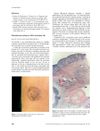 13 citations
,
February 2006 in “Clinical and Experimental Dermatology”
13 citations
,
February 2006 in “Clinical and Experimental Dermatology” A benign tumor developed at a girl's BCG vaccination site, not previously linked to the vaccine.
 June 2018 in “Surgical Case Reports”
 S-1 treatment led to a complete response in pancreatic cancer with manageable side effects.
 48 citations
,
March 1997 in “Veterinary Dermatology”
48 citations
,
March 1997 in “Veterinary Dermatology” Some cats with sudden hair loss and tiredness might have cancer-related alopecia.
 June 2023 in “SPIRE - Sciences Po Institutional REpository”
 Extracellular vesicles and androgen receptors may help identify prostate cancer resistance and reduce SARS-CoV-2 infection.
 1 citations
,
January 2014 in “Rinsho Shinkeigaku”
1 citations
,
January 2014 in “Rinsho Shinkeigaku” Immunological treatment improved both neuropathy and alopecia.
2 citations
,
June 2023 in “Medicine” A rare skin cancer on a man's elbow was successfully treated with surgery, showing no recurrence after one year.
 October 2025 in “JOURNAL OF CLINICAL AND DIAGNOSTIC RESEARCH”
 Waldenstrom’s Macroglobulinaemia can mimic multiple myeloma, so accurate diagnosis is crucial.
 May 2021 in “Journal of the Endocrine Society”
 A woman with a rare ovarian tumor and hyperparathyroidism improved after surgery, highlighting the need for reporting unusual cases to understand and manage rare diseases.
71 citations
,
May 2024 in “New England Journal of Medicine” Ruxolitinib may effectively treat APS-1 by reducing harmful immune responses.
38 citations
,
March 1997 in “Journal of interferon & cytokine research” IL-1β inhibits human hair follicle growth.
1 citations
,
July 2025 in “Journal of Investigative Dermatology”  March 2021 in “Revista Colombiana de Cancerología”
 Cancer patients with COVID-19 face higher risks due to possible additional infections.
24 citations
,
December 1997 in “Mayo Clinic proceedings” Carbamazepine may cause lung problems and lupus-like symptoms, which can improve after stopping the drug.
 36 citations
,
July 2014 in “Neuromuscular Disorders”
36 citations
,
July 2014 in “Neuromuscular Disorders” A patient with a larger than usual genetic mutation had a broader range of symptoms for a muscle disease.
47 citations
,
February 2014 in “Journal of Cutaneous Pathology” Matrical tumors share a common growth mechanism involving the Wnt pathway and consistent PHLDA1 expression.
135 citations
,
October 1999 in “Journal of Cell Science” Overexpressing PKCα in mice skin increases inflammation but doesn't affect tumor growth.
 4 citations
,
February 2022 in “International Journal of Dermatology”
4 citations
,
February 2022 in “International Journal of Dermatology” Porocarcinoma generally has low rates of recurrence, spread to lymph nodes, and death.