 1 citations
,
June 2019 in “Food Research”
1 citations
,
June 2019 in “Food Research” Tempeh oil rich in linoleic acid may protect against skin aging caused by UV light.

Perilla seed extract may help prevent hair loss better than some standard treatments.
4 citations
,
December 2024 in “Applied Sciences” Rosehip seeds have high nutritional value and antioxidant properties, making them useful for health products.
43 citations
,
September 2021 in “Nutrients” Persimmons offer health benefits and can be used in new products and sustainable applications.
June 2026 in “International Journal of Innovative Science and Research Technology (IJISRT)” Hibiscus tea offers antioxidant, anti-inflammatory, and heart health benefits.
53 citations
,
July 2021 in “International Journal of Molecular Sciences” Geranium pyrenaicum extracts show potential for cancer, antiviral, and enzyme inhibition treatments.
22 citations
,
September 2013 in “Science international” Leafy spices like basil and mint are very healthy and can help with digestion, hair loss, and inflammation.
 November 2024 in “Applied Sciences”
 Wild strawberry waste extract can be a sustainable cosmetic ingredient for treating acne and hair loss.
 February 2026 in “Phycology”
 Microalgae can sustainably improve nutrition and cosmetics with their diverse beneficial compounds.
130 citations
,
December 2022 in “Antioxidants” Natural polysaccharides have strong antioxidant properties that help fight diseases like Alzheimer's, diabetes, and heart disease.
 5 citations
,
February 2020 in “European Food Research and Technology”
5 citations
,
February 2020 in “European Food Research and Technology” African baobab fruit is a good source of antioxidants and micronutrients, but too much can cause laxative effects.
 16 citations
,
June 2019 in “Industrial Biotechnology”
16 citations
,
June 2019 in “Industrial Biotechnology” Freezing brown seaweed right after harvesting and using microwave-assisted extraction with 75% 1,3-propanediol as a solvent is the best way to get polyphenols for cosmetics.
 170 citations
,
September 2019 in “Evidence-based Complementary and Alternative Medicine”
170 citations
,
September 2019 in “Evidence-based Complementary and Alternative Medicine” Some medicinal plants can help heal wounds and may lead to new treatments.
 February 2023 in “Aesthetic Cosmetology and Medicine”
 Medicinal plants in nutricosmetics contain compounds that can improve skin and hair health.
 May 2020 in “International Journal of Engineering Applied Sciences and Technology”
 Bioactive plant materials like lemon, garlic, and neem effectively fight harmful bacteria.
 10 citations
,
November 2014 in “Journal of Dermatological Treatment”
10 citations
,
November 2014 in “Journal of Dermatological Treatment” Polyphenols may help treat skin conditions like warts, hair loss, acne, and dark spots, but more research is needed.
 40 citations
,
November 2016 in “Molecules”
40 citations
,
November 2016 in “Molecules” Some plants used in traditional medicine may help treat cancer because they contain proteins that can inactivate ribosomes.
 March 2024 in “Tropical Journal of Natural Product Research”
 Many people in Fez-Meknes use potentially toxic plants for various health and cosmetic purposes, but more research is needed to ensure their safety.
 March 2023 in “International Journal of Advanced Research in Science, Communication and Technology”
 Various medicinal plants like Polygonum multiflorum, Red ginseng extract, and Zizyphus jujuba can potentially treat hair loss, offering benefits like low cost and multiple ways of working. Other effective natural substances include Pygeum africanum, Seneroa, Urtica dioica, and more.
 October 2012 in “Humana Press eBooks”
 Grape seed extract is good for skin care, with antioxidant, anti-inflammatory, and anti-cancer effects.
 67 citations
,
June 2018 in “Engineering in Life Sciences”
67 citations
,
June 2018 in “Engineering in Life Sciences” Plant cell culture is a promising method for creating sustainable and high-quality cosmetic ingredients.
 January 2025 in “Journal of Pharmacognosy and Phytochemistry”
 Plant-based pigments in shampoo offer vibrant colors and scalp benefits, meeting quality standards and providing a natural alternative to synthetic dyes.
January 2018 in “Turkiye Klinikleri Journal of Dermatology” Commonly used plants in hair products can guide future research and help professionals recommend treatments.
 39 citations
,
June 2017 in “Journal of Applied Research on Medicinal and Aromatic Plants”
39 citations
,
June 2017 in “Journal of Applied Research on Medicinal and Aromatic Plants” Plant-based ingredients are effective and safe for modern skincare products.
 32 citations
,
January 2021 in “Molecules”
32 citations
,
January 2021 in “Molecules” Some Middle Eastern plants may help treat diabetes and could be alternatives to current drugs, but more research is needed.
 112 citations
,
May 2019 in “Pharmacological Research”
112 citations
,
May 2019 in “Pharmacological Research” Lignans and neolignans from plants may help protect against various health issues, including cancer and heart disease.
 15 citations
,
April 2022 in “Biointerface Research in Applied Chemistry”
15 citations
,
April 2022 in “Biointerface Research in Applied Chemistry” Medicinal plants may be an effective alternative for treating acne.
 5 citations
,
August 2018
5 citations
,
August 2018 Plant extracts can benefit skin but must be safe and high-quality.
 January 2025 in “Bright Sky Publications eBooks”
 Balanced diets and informed food choices are crucial for better health.
 65 citations
,
April 2021 in “Natural Products and Bioprospecting”
65 citations
,
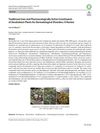
April 2021 in “Natural Products and Bioprospecting” Dendrobium plants have compounds useful for treating skin issues and developing new drugs and cosmetics.