 February 1999 in “Analytical Sciences”
 A new antiandrogen compound was made and its detailed three-dimensional shape was described.
 May 2026 in “Discover Chemistry.”
 Bio-degradable polymers can replace petroleum plastics using eco-friendly methods for a sustainable future.
28 citations
,
December 2016 in “Journal of Biomedical Materials Research Part A” Bone-forming cells grow well in 3D polymer scaffolds with 35 µm pores.
The research shows how certain drug molecules form stable structures with polymers, which could help create new drug forms.
8 citations
,
February 2020 in “Journal of Drug Delivery Science and Technology” Encapsulating chlorogenic acid in nanoparticles boosts type 17 collagen production, potentially aiding skin care.
April 2026 in “Applied Materials Today” The dressing helps heal chronic wounds by swelling and releasing drugs when needed.
January 2002 in “Chinese Journal of Pharmaceuticals” A new method was developed to make a compound used in finasteride and epristeride with a 69% yield.
 March 2025 in “Dental Journal (Majalah Kedokteran Gigi)”
 The sponge effectively controls bleeding and prevents infection after tooth extraction.
 14 citations
,
June 2015 in “Toxicology and Industrial Health”
14 citations
,
June 2015 in “Toxicology and Industrial Health” Low doses of BPA can increase prostate growth and change hormone levels in adult rats.
5 citations
,
November 2024 in “Biomedicine & Pharmacotherapy” The chitosan-peptide system helps cartilage regeneration using fat-derived cells.
14 citations
,
March 2021 in “Regenerative Biomaterials” The hydrogels help stem cells stay healthy and maintain their stem cell properties.
 232 citations
,
June 1975 in “Journal of Steroid Biochemistry”
232 citations
,
June 1975 in “Journal of Steroid Biochemistry” Cyproterone acetate is effective for acne but less so for hirsutism and alopecia, with some side effects and quick menstrual cycle recovery after treatment.
 1 citations
,
July 2023 in “International Journal of Biological Macromolecules”
1 citations
,
July 2023 in “International Journal of Biological Macromolecules” The study created a new hair loss treatment paste that regrows hair faster and with fewer side effects than minoxidil alone.
62 citations
,
August 2023 in “International Journal of Nanomedicine” Pluronic F127-derived hydrogels show promise for effective wound healing and repair.
May 2015 in “HAL (Le Centre pour la Communication Scientifique Directe)” APIs' stability is influenced by crystalline forms, pressure, and water.
 February 2015 in “Journal of Biomedical Materials Research Part B: Applied Biomaterials”
 4-META resin heals skin wounds faster and better than cyanoacrylate.
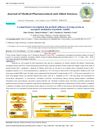 June 2024 in “Journal of medical pharmaceutical and allied sciences”
 Orange pectin boosts probiotic growth, especially L. acidophilus.
 June 2026 in “Gümüşhane Üniversitesi Fen Bilimleri Enstitüsü Dergisi”
 PVA/agar films with Achillea millefolium essential oil are promising for wound dressings due to good strength and selective antibacterial effects.
3 citations
,
May 2025 in “Journal of Applied Polymer Science” The sprayable hydrogel is safe and effective for wound healing, killing bacteria and reducing oxidation.
September 2025 in “Acta Biomaterialia” A new tissue adhesive helps wounds heal better by allowing more cells to enter.
18 citations
,
February 2025 in “Macromolecular Rapid Communications” Thermo-responsive polymers in nanoparticles enable targeted drug delivery and advanced therapies by releasing drugs at specific temperatures.
21 citations
,
May 2021 in “Materials & Design” The EEB25 sponge effectively heals wounds with antibacterial and anti-inflammatory properties.
January 2012 in “RepositóriUM (Universidade do Minho)” PLA nanoparticles can effectively deliver treatments to hair follicles, showing potential for hair therapy.
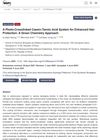
A natural, eco-friendly treatment using casein and tannic acid strengthens hair by 21% while keeping it elastic.
7 citations
,
August 2024 in “Marine Drugs” Ultrasound can safely produce beneficial carrageenan from red algae.
 June 2019 in “Journal of Dermatological Treatment”
 BM-PHA is as effective and safe as Restylane Perlane for improving nasolabial folds with minor side effects.
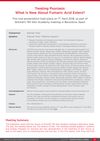 July 2018 in “European Medical Journal”
 Fumaric acid esters, especially dimethylfumarate, improve psoriasis treatment.
81 citations
,
February 2022 in “Bioactive Materials” The nanoparticles effectively deliver antibiotics to fight resistant bacteria.
Encapsulating hair follicle cells in a special gel boosts their activity.