 15 citations
,
February 2017 in “Nursing Clinics of North America”
15 citations
,
February 2017 in “Nursing Clinics of North America” Targeted cancer therapies can cause skin side effects, which should be treated early to help patients' quality of life and treatment adherence.
 September 2023 in “Ain Shams medical journal”
 31% of female high school students in Minia have hair loss from tight hairstyles, which can become permanent if not treated early.
 9 citations
,
March 2018 in “JEADV. Journal of the European Academy of Dermatology and Venereology/Journal of the European Academy of Dermatology and Venereology”
9 citations
,
March 2018 in “JEADV. Journal of the European Academy of Dermatology and Venereology/Journal of the European Academy of Dermatology and Venereology” Recognizing Jacquet's sign helps diagnose and treat traction alopecia accurately.
 May 2007 in “Dermatologic Therapy”
 Hair care practices like using relaxers and tight braiding can lead to permanent hair loss in black women.
 November 2025 in “International Journal of Recent Innovations in Medicine and Clinical Research”
 Understanding different types of hair loss helps in accurate diagnosis and treatment.
 8 citations
,
January 1989 in “Journal of Dermatological Treatment”
8 citations
,
January 1989 in “Journal of Dermatological Treatment” This text talks about how to treat hair loss in women. It suggests different options and stresses the importance of support.
 4 citations
,
July 2016 in “Journal of cosmetic dermatology”
4 citations
,
July 2016 in “Journal of cosmetic dermatology” Dermatologists should use hair relaxers carefully to avoid hair and scalp damage, following specific guidelines for application and maintenance.
3 citations
,
January 2024 in “Health Psychology Report” Black women with alopecia need better support and understanding from health professionals and social groups.
 February 2026 in “Frontiers in Public Health”
 Lifestyle changes can help manage androgenetic alopecia.
 January 2017 in “Journal of Investigative Dermatology Symposium Proceedings”
 The 2015 Hair Research Congress concluded that stem cells, maraviroc, and simvastatin could potentially treat Alopecia Areata, topical minoxidil, finasteride, and steroids could treat Frontal Fibrosing Alopecia, and PTGDR2 antagonists could also treat alopecia. They also found that low-level light therapy could help with hair loss, a robotic device could assist in hair extraction, and nutrition could aid hair growth. They suggested that Alopecia Areata is an inflammatory disorder, not a single disease, indicating a need for personalized treatments.
 59 citations
,
August 2010 in “Journal of The American Academy of Dermatology”
59 citations
,
August 2010 in “Journal of The American Academy of Dermatology” Certain hairstyles and less hair oil use in African American girls can lead to scalp conditions like traction alopecia and seborrheic dermatitis.
 November 2023 in “BMC women's health”
 Older age and specific haircare practices increase the risk of traction alopecia, and education on these factors could help prevent it.
March 2025 in “Journal of Investigative Dermatology” The program increased awareness of traction alopecia but didn't significantly change hairstyling habits.
March 2026 in “Journal of Investigative Dermatology” CCCA can occur in children and needs early diagnosis to prevent permanent hair loss.
 2 citations
,
May 2023 in “JAAD Case Reports”
2 citations
,
May 2023 in “JAAD Case Reports” The document concludes that early and accurate diagnosis of hair loss on the top of the scalp in Black men is important to distinguish CCCA from other types of hair loss.
 1 citations
,
January 2022 in “Skin appendage disorders”
1 citations
,
January 2022 in “Skin appendage disorders” Hair shedding after childbirth can reveal a pre-existing condition of hair loss due to tight hairstyles.
 January 2020 in “Clinical dermatology open access journal”
 Changing certain hairstyles can prevent worsening hair loss in Mexican women.
May 2025 in “International Journal of Women’s Dermatology” CCCA mainly affects Black women and is linked to high-tension hairstyles, heating tools, chemical relaxants, and genetics.
 72 citations
,
July 2008 in “Dermatologic Therapy”
72 citations
,
July 2008 in “Dermatologic Therapy” CCCA is a scarring hair loss condition mainly in African descent women, possibly caused by genetics and hairstyling, treated with gentle hair care and medications.
 51 citations
,
January 2014 in “Pediatric Clinics of North America”
51 citations
,
January 2014 in “Pediatric Clinics of North America” The guide explains how to identify and treat children's hair loss, including fungal infections, autoimmune disorders, hairstyle changes, self-correcting conditions, and behavioral therapy for hair-pulling.
 June 2024 in “British Journal of Dermatology”
 Avoid tight hairstyles and use minoxidil to prevent and treat hair loss in young Sikh boys.
 40 citations
,
December 2006 in “Journal of The European Academy of Dermatology and Venereology”
40 citations
,
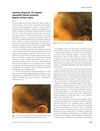
December 2006 in “Journal of The European Academy of Dermatology and Venereology” Minoxidil helps hair regrowth in traction alopecia.
 March 2026 in “Journal of Skin and Sexually Transmitted Diseases”
 Long hair can cause hair loss in the middle of the scalp, and cutting it shorter helps.
 32 citations
,
August 2015 in “Anais Brasileiros de Dermatologia”
32 citations
,
August 2015 in “Anais Brasileiros de Dermatologia” Black women's unique hair characteristics and styling practices can lead to specific scalp conditions, which require early diagnosis and appropriate treatment.
 January 2026 in “Archives of Current Medical Research”
 Telogen effluvium is the most common hair loss in women, often linked to low iron, while tight hairstyles and headscarves increase traction alopecia risk.
 10 citations
,
May 2015 in “International Journal of Women's Dermatology”
10 citations
,
May 2015 in “International Journal of Women's Dermatology” New treatments for skin and hair disorders in women of color address unique biological differences and include specific acne medications, sunscreens, skin lighteners, and hair care adjustments.
 January 2015 in “Springer eBooks”
 Hair damage shows as fragility, dullness, and discoloration, varies by ethnicity, and is worsened by cosmetic procedures and diseases.
 July 2012 in “Springer eBooks”
 The document concludes that proper diagnosis and treatment of nonscarring alopecias can improve quality of life and hair regrowth is possible as the hair follicle remains intact.
 September 2003 in “Clinics in Family Practice”
 Different hair diseases affect people during childbearing years, with treatments ranging from medication to psychological support.
 January 2012 in “Postgraduate obstetrics & gynecology”
 Up to 50% of women may experience significant hair loss by age 50, with various causes and treatments available.