 1 citations
,
August 2022 in “Rheumatology (Bulgaria)”
1 citations
,
August 2022 in “Rheumatology (Bulgaria)” A woman experienced severe symptoms, including hair loss, after a COVID-19 vaccine, suggesting a possible autoimmune reaction.
 2 citations
,
July 2023 in “Life”
2 citations
,
July 2023 in “Life” COVID-19 can cause temporary hair loss, which is commonly reversible with treatment.
 37 citations
,
June 2021 in “Journal of the European Academy of Dermatology and Venereology”
37 citations
,
June 2021 in “Journal of the European Academy of Dermatology and Venereology” Adult skin quickly reacts to short-term environmental and internal stress, leading to various skin issues and the need for protective measures.
 December 2022 in “Journal of Education, Health and Sport”
 Covid-19 can cause different types of hair loss, which can affect people's mental and social well-being.
 88 citations
,
October 2020 in “Open Forum Infectious Diseases”
88 citations
,
October 2020 in “Open Forum Infectious Diseases” Some people who recover from COVID-19 continue to have symptoms like fatigue and cough for over 120 days, and some experience hair loss about 59 days after getting sick.
June 2025 in “British Journal of Dermatology” Frontal fibrosing alopecia can occur in men and may be linked to immune triggers like vaccines.
 January 2024 in “International Journal of Trichology”
 Hair root dermoscopy is a simple, noninvasive tool to diagnose telogen effluvium.
August 2025 in “American Journal of Dermatopathology” Accurate diagnosis and personalized treatment are crucial in dermatopathology.
January 2024 in “Brazilian Journal of Hair Health” Hair science has grown significantly, focusing on conditions like alopecia and improving treatments and techniques.
October 2025 in “Medical Journal of Babylon” Higher testosterone and lower Vitamin D levels are linked to hair loss in female COVID-19 patients.
Dutasteride is more effective and better tolerated than finasteride for hair loss treatment.
June 2020 in “Faculty Opinions – Post-Publication Peer Review of the Biomedical Literature”  January 2023 in “Brazilian Journals Editora eBooks”
 Nursing staff's mental health was affected during the COVID-19 pandemic.
 November 2025 in “Journal of Disease and Public Health”
 Post-COVID-19 syndrome is complex, affects 5%-10% of people, and requires better research and global collaboration for treatment.
 June 2025 in “Basrah Researches Sciences”
 Medicinal plants might help with post-COVID-19 issues, but more research is needed.
 June 2024 in “Archives of dermatological research”
 Dietary supplements might help prevent post-COVID hair loss, but serum ferritin is not a reliable indicator.
 December 2023 in “Health Information Jurnal Penelitian”
 Post-COVID syndrome causes long-lasting symptoms like fatigue, breathing issues, and anxiety.
 December 2023 in “Y Dược học”
 Older adults in Vietnam often experience hair loss after COVID-19, especially women, singles, and those hospitalized.
 July 2022 in “International Journal of Health Sciences”
 COVID-19 survivors may face long-term health issues affecting both mind and body.
 9 citations
,
November 2020 in “Medical Hypotheses”
9 citations
,
November 2020 in “Medical Hypotheses” Hair loss may link to weaker COVID-19 immunity, suggesting possible need for extra vaccine boost.
 11 citations
,
May 2021 in “Journal of The American Academy of Dermatology”
11 citations
,
May 2021 in “Journal of The American Academy of Dermatology” COVID-19 doesn't make alopecia areata worse.
 December 2023 in “Tuberkuloz ve Toraks/Tüberküloz ve toraks”
 Many COVID-19 patients have long-term symptoms, especially women, but certain medications may help reduce these symptoms.
 1 citations
,
January 2024 in “Annals of Dermatology”
1 citations
,
January 2024 in “Annals of Dermatology” COVID-19 may trigger alopecia areata, but more research is needed.
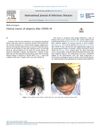 5 citations
,
May 2021 in “International Journal of Infectious Diseases”
5 citations
,
May 2021 in “International Journal of Infectious Diseases” A man experienced hair loss after getting COVID-19, which improved with treatment and might have been triggered by stress related to the illness.
 December 2023 in “Curēus”
 COVID-19 vaccination does not significantly increase the risk of developing alopecia areata.
 32 citations
,
July 2021 in “Journal of The American Academy of Dermatology”
32 citations
,
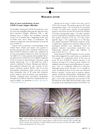
July 2021 in “Journal of The American Academy of Dermatology” Hair loss from COVID-19 usually starts around 45 days after infection and lasts about 47.5 days.
 May 2022 in “Annals of the Rheumatic Diseases”
 It's unclear if COVID-19 vaccination causes SLE; more research is needed.
 71 citations
,
April 2020 in “Journal of Cosmetic Dermatology”
71 citations
,
April 2020 in “Journal of Cosmetic Dermatology” Genetic differences may affect COVID-19 deaths; anti-androgens could be potential treatment.
Most people with post-COVID syndrome experience symptoms like fatigue, but Omicron variants cause fewer persistent symptoms.
 March 2022 in “Brazilian Journal of Health Review”
 COVID-19 can cause a type of hair loss that usually starts 3-6 months after the illness, and treatment includes stress reduction and hair care products like Minoxidil.