 January 2013 in “kerbala journal of pharmaceutical sciences”
 Low zinc levels are strongly linked to hair loss in adult premenopausal women.
 33 citations
,
December 2013 in “Journal of cutaneous pathology”
33 citations
,
December 2013 in “Journal of cutaneous pathology” A fungal infection can look like a different scalp condition in teens, leading to wrong treatment until proper tests are done.
16 citations
,
February 1999 in “American Journal of Dermatopathology” Lymphocytes may hinder hair stem cells, causing hair loss without scarring.
 February 2025 in “Dermatology and Therapy”
 Alopecia areata incognita causes sudden hair loss but usually improves with topical steroids.
 1 citations
,
April 2016 in “Actas Dermo-Sifiliográficas”
1 citations
,
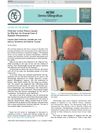
April 2016 in “Actas Dermo-Sifiliográficas” Wearing a wig caused a woman's skin condition to worsen due to pressure from the wig's fasteners.
 2 citations
,
June 2011 in “Expert Review of Dermatology”
2 citations
,
June 2011 in “Expert Review of Dermatology” Female pattern hair loss involves thinning hair on crown and frontal scalp, diagnosed by hair ratio, and treated with minoxidil, antiandrogens, or hair transplantation.

COVID-19 can trigger a relapsing form of hair loss, requiring long-term treatment strategies.
 1 citations
,
January 2014 in “PubMed”
1 citations
,
January 2014 in “PubMed” Hair loss in a child was an early sign of Crohn's disease.
 2 citations
,
July 2021 in “JAAD Case Reports”
2 citations
,
July 2021 in “JAAD Case Reports” Trichoscopy of the beard is useful for diagnosing frontal fibrosing alopecia in men.
May 2025 in “OPAL (Open@LaTrobe) (La Trobe University)” Current treatments for non-scarring alopecia have limited effectiveness and side effects, while natural remedies may offer safer alternatives but need more research.
January 2021 in “International journal of dermatology, venereology and leprosy sciences” AGA and TE can be differentiated by specific trichoscopic features, with AGA showing more variation in hair thickness in fronto-temporal areas.
 9 citations
,
August 2014 in “Journal of The American Academy of Dermatology”
9 citations
,
August 2014 in “Journal of The American Academy of Dermatology” Hormonal imbalances may play a role in frontal fibrosing alopecia, and antiandrogenic drugs combined with steroids are currently the most effective treatment.
 January 1991 in “Journal of Pediatric Health Care”
 Hair loss in children can be caused by fungal infections, trauma, autoimmune disorders, or stress, and treatments vary depending on the cause.
 December 2019 in “Pediatria i Medycyna Rodzinna”
 Alopecia areata is a hair loss condition that may be linked to stress and genetics, often requires psychological support, and has no set treatment.
 December 2021 in “Consilium Medicum”
 The combined Selencin treatment effectively reduces hair loss and improves hair health after COVID-19.
 June 2023 in “British journal of dermatology/British journal of dermatology, Supplement”
 A woman's rare hair loss condition improved on its own, suggesting this type might recover like common cases.
 3 citations
,
February 2013 in “Bangladesh Journal of Medicine”
3 citations
,
February 2013 in “Bangladesh Journal of Medicine” Low iron levels are linked to hair loss in women.
January 2022 in “Clinical Cases in Dermatology” Chemotherapy can cause significant but usually reversible hair loss, and managing it involves patient education and hair care strategies.
 1 citations
,
January 1997 in “Dermatology”
1 citations
,
January 1997 in “Dermatology” A woman lost her hair from stress after a bee attack and her sister's death.
5 citations
,
July 2009 in “Clinical and experimental dermatology”  38 citations
,
January 2019 in “International Journal of Women's Dermatology”
38 citations
,
January 2019 in “International Journal of Women's Dermatology” The document concluded that more research is needed to find the best treatment for Frontal fibrosing alopecia.
 January 2012 in “Postgraduate obstetrics & gynecology”
 Up to 50% of women may experience significant hair loss by age 50, with various causes and treatments available.
 23 citations
,
April 2002 in “Journal of the American Academy of Dermatology”
23 citations
,
April 2002 in “Journal of the American Academy of Dermatology” Depigmented hair regrowth after alopecia areata can be permanent.
 46 citations
,
October 2012 in “Dermatologic Clinics”
46 citations
,
October 2012 in “Dermatologic Clinics” Female pattern hair loss diagnosed by scalp appearance, treated with combined therapies and targeted approaches.
 May 2024 in “Journal of Cosmetic and Laser Therapy”
 Injectable platelet-rich fibrin improves hair growth and reduces hair loss in women.
 April 2019 in “Journal of the Dermatology Nurses’ Association”
 A 37-year-old man with hair loss and skin issues was successfully treated with oral antibiotics, highlighting the need for early treatment. Long-term care includes low-dose antibiotics and avoiding caps and wigs.
13 citations
,
June 2011 in “PubMed” The patient improved significantly after treatment, with only one small scar remaining.
 July 2025 in “Consilium Medicum”
 Combining oral supplements, topical lotion, and mesotherapy effectively reduces hair loss and increases hair density.
 3 citations
,
November 2018 in “PubMed”
3 citations
,
November 2018 in “PubMed” People with TED often have low B12 levels and might benefit from B12 supplements.

Frontal fibrosing alopecia in men is often misdiagnosed and needs better diagnostic criteria and treatments.