Search
for
Sort by
Research
240-270 / 1000+ results
research Prostaglandin D2 Inhibits Wound-Induced Hair Follicle Neogenesis through the Receptor, Gpr44
Prostaglandin D2 blocks new hair growth after skin injury through the Gpr44 receptor.
research Pruritic urticarial papules and plaques of pregnancy
The skin condition PUPP usually gets better on its own after giving birth and is unlikely to happen again in future pregnancies.
research Erosive pustular dermatosis of the scalp after contact dermatitis from a prosthetic hair piece
A woman's scalp condition improved with specific ointment after a hair piece caused skin issues.
research Dermatopathia Pigmentosa Reticularis: Report of a New Cases and Literature Review
DPR can show different hair characteristics, as seen in two brothers with normal hair.
research Pantothenic acid promotes dermal papilla cell proliferation in hair follicles of American minks via inhibitor of DNA Binding 3/Notch signaling pathway
Pantothenic acid helps mink hair follicles grow by affecting certain cell signals.
research Effects of diphencyprone on expression of Bcl-2 protein in patients with Alopecia areata
Diphencyprone increases Bcl-2 protein in patients with hair regrowth from alopecia areata.
research Protein disulphide isomerase-mediated grafting of cysteine-containing peptides onto over-bleached hair
PDI helps restore over-bleached hair's strength and structure by attaching special peptides.
research Development and characterization of polydeoxyribonucleotide (PDRN) loaded chitosan polyplex: In vitro and in vivo evaluation of wound healing activity
The chitosan/PDRN polyplex improved wound healing in diabetic rats.
research 362 Not just a cell marker: DPP4 modulates regeneration of hair follicles in large wounds
DPP4, a molecule in skin, helps heal large wounds and regrow hair follicles when its levels are reduced.
research Case report: pemphigus vulgaris in an adolescent
An 18-year-old girl with pemphigus vulgaris needed strong medication and careful treatment due to ineffective initial therapies and side effects.

research Platelet-derived growth factor signaling modulates adult hair follicle dermal stem cell maintenance and self-renewal
PDGF signaling is crucial for maintaining and renewing hair follicle stem cells, which could help treat hair loss.
research Positive Anagen Pull Test Predicting Lichen Planopilaris Activity
A positive anagen pull test can help detect active Lichen Planopilaris.
research Polydeoxyribonucleotide (PDRN) salmon sebagai agen anti penuaan
PDRN from salmon may slow skin aging by improving skin quality and reducing inflammation.
research Case reports on erosive pustular dermatosis of scalp: a cross sectional study at a tertiary care centre
EPDS is a rare, chronic scalp condition that's hard to treat and needs better awareness for improved outcomes.
research Effect of Puerariae Radix Ethanol Extract on the Proliferation of Human Dermal Papilla Cells
Puerariae Radix extract may help hair growth by increasing cell activity.
research Prostaglandin D2 Uses Components of ROS Signaling to Enhance Testosterone Production in Keratinocytes
Prostaglandin D2 increases testosterone production in skin cells through a process involving reactive oxygen species, and antioxidants may help treat hair loss.
research Therapeutic efficacy of autologous platelet-rich plasma and polydeoxyribonucleotide on female pattern hair loss
PRP injections may improve hair thickness and density in female hair loss patients.
research The mechanism of activated platelet‐rich plasma supernatant promotion of hair growth by cultured dermal papilla cells
Activated platelet-rich plasma helps hair growth by boosting growth factors and cell growth pathways in hair cells.
research Expression patterns of programmed cell death 4 protein in normal human skin and some representative skin lesions
Increasing PDCD4 protein may help prevent or treat some skin cancers.

research Physiologic functions of PP2A: Lessons from genetically modified mice
Mice studies show that Protein Phosphatase 2A is crucial for cell growth, development, and disease prevention.
research Industrial-scale processing of activated platelet-rich plasma from specific pathogen-free pigs and its effect on promoting human hair follicle dermal papilla cell cultivation
Porcine PRP can replace FBS and promote hair growth.

research Diphenylcyclopropenone and platelet‐rich plasma in the management of severe or recalcitrant alopecia areata
Both DPCP alone and with PRP are effective and safe for treating severe alopecia areata.
research Signaling by the Platelet-Derived Growth Factor Receptor Family
PDGF signaling is crucial for cell development, wound healing, and fluid regulation in the body.
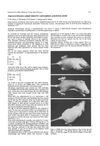
research Alopecia in laboratory animals induced by a polyampholyte, polyethylene alanine
Polyethylene alanine caused hair loss in young lab animals but not in adults, with hair regrowth occurring within 20 days.
research Systematic review and quality analysis of studies on the efficacy of topical diphenylcyclopropenone treatment for alopecia areata
Topical DPCP is somewhat effective for hair loss in alopecia areata, but more research is needed.
research Divergent proliferation patterns of distinct human hair follicle epithelial progenitor niches in situ and their differential responsiveness to prostaglandin D2
Different human hair follicle stem cells grow at different rates and respond differently to a baldness-related compound.

research Evaluation of a Porcine-Derived Placental Powder Treatment for Skin Wound Healing in an In Vivo Rat Skin Defect Model.
Porcine-derived placental powder may improve wound healing by reducing inflammation and enhancing tissue repair.
research A proteoglycan-based topical treatment for hair greying: in vitro antioxidant and pro-melanogenic effects
PP-PTKL may help treat hair greying, but more testing is needed.

research PNKP is required for maintaining the integrity of progenitor cell populations in adult mice
PNKP is essential for keeping adult mouse progenitor cells healthy and growing normally.