8 citations
,
January 2019 in “JAAD Case Reports” EPDS can cause recurring scalp sores and hair loss if not treated.
January 2015 in “Spectrum Research Repository (Concordia University)” Porcine PRP can replace FBS and may promote hair growth.
55 citations
,
September 2003 in “Experimental Dermatology” PDGF signaling may play a role in hair growth cycle regulation.
 2 citations
,
March 2023 in “Experimental neurology”
2 citations
,
March 2023 in “Experimental neurology” Pregnenolone might help manage movement issues caused by Parkinson's disease treatment without reducing the medicine's effectiveness.
 September 2017 in “Journal of Investigative Dermatology Symposium Proceedings”
 Prostaglandin D2 increases testosterone production in skin cells through a process involving reactive oxygen species, which could be a new target for treating hair loss and other skin conditions driven by testosterone.
January 2016 in “프로그램북(구 초록집)” The thulium laser and PDRN injections effectively improved hair thickness in patients with pattern hair loss.
12 citations
,
January 2013 in “Indian dermatology online journal” Dermatopathia pigmentosa reticularis causes skin discoloration, hair loss, and nail problems.
 12 citations
,
June 2020 in “Frontiers in Cell and Developmental Biology”
12 citations
,
June 2020 in “Frontiers in Cell and Developmental Biology” The PP2A-B55α protein is essential for brain and skin development in embryos.
 June 2025 in “Aesthetic Cosmetology and Medicine”
 Polydeoxyribonucleotides may help with healing and anti-aging, but more research is needed.
 138 citations
,
November 2015 in “Journal of Pharmacology and Experimental Therapeutics”
138 citations
,
November 2015 in “Journal of Pharmacology and Experimental Therapeutics” Protoporphyrin IX is useful in cancer treatment but can cause health problems if not properly regulated.
10 citations
,
June 2019 in “Dermatologic therapy” DPCP alone is more effective and safer for treating chronic extensive alopecia areata than combining it with anthralin.
13 citations
,
February 2024 in “Clinical Cosmetic and Investigational Dermatology” Polynucleotides HPT improves Asian skin tone, firmness, and glow safely.
17 citations
,
October 2023 in “Molecules” Plant-derived PDRN from ginseng roots effectively heals skin and improves its barrier.
 2 citations
,
February 2024 in “Journal of the European Academy of Dermatology and Venereology”
2 citations
,
February 2024 in “Journal of the European Academy of Dermatology and Venereology” The study created a 27-item measure to assess the impact of skin diseases.
1 citations
,
January 1989 in “Carcinogenesis” Dexamethasone reduces inflammation and delays skin cell changes caused by TPA.
14 citations
,
August 2014 in “Journal of the American Academy of Dermatology” Diphenylcyclopropenone (DPCP) is effective in treating alopecia areata, with most patients showing significant hair regrowth.
1 citations
,
August 2024 in “Skin Health and Disease” Topical immunotherapy with DPCP led to some hair regrowth in most pediatric alopecia areata patients, especially those with milder cases and longer treatment.
October 2025 in “Animals” Blue light masks improved coat condition and energy in horses with PPID.
 27 citations
,
May 2007 in “Archives of dermatological research”
27 citations
,
May 2007 in “Archives of dermatological research” Diphencyprone treatment increases CD8 lymphocytes in the scalp, which is associated with hair regrowth in alopecia areata patients.
 18 citations
,
February 2018 in “International Journal of Molecular Sciences”
18 citations
,
February 2018 in “International Journal of Molecular Sciences” PGD2 increases androgen receptor activity in hair cells, which could be targeted to treat hair loss.
 September 2025 in “AESTHETIC OROFACIAL SCIENCE”
 PDO threads are effective and safe for treating alopecia, but more research is needed.
 September 2021 in “CRC Press eBooks”
 Lichen planopilaris causes permanent hair loss and scarring due to damage to hair follicles and can be mistaken for other hair loss conditions.
29 citations
,
March 2016 in “Dermatologic therapy” Platelet-rich plasma may successfully treat lichen planopillaris, as shown by one patient's symptom regression.
2 citations
,
August 2025 in “Pharmaceutics” PN hydrates skin; PDRN heals and regenerates skin and hair.
 39 citations
,
July 2008 in “Dermatologic Therapy”
39 citations
,
July 2008 in “Dermatologic Therapy” Pseudopelade of Brocq is a unique hair loss condition, but its cause and development are still not fully understood.
 August 2019 in “Journal of The American Academy of Dermatology”
 PFD patch helps laser tattoo removal, trichoscopy diagnoses AGA, and serum boosts SOD activity.
 8 citations
,
July 2018 in “European Journal of Dermatology”
8 citations
,
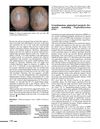
July 2018 in “European Journal of Dermatology” A medication may help with hair growth in psoriasis, and a skin condition might be linked to a specific bacteria.
July 2025 in “Journal of Investigative Dermatology” Reducing PEDF may help treat hair loss.
69 citations
,
October 2014 in “Stem Cells” PDGF-D boosts stem cell growth and movement, enhancing hair regeneration.
38 citations
,
January 2017 in “PPAR Research” PPAR-γ helps control skin oil glands and inflammation, and its disruption can cause hair loss diseases.