January 2015 in “Zhongguo haiyang yaowu” Collagen from puffer skin may help whiten skin and slow aging without harm.
January 2014 in “프로그램북(구 초록집)” Certain electrical settings can boost hair growth.
 July 2023 in “Dermatology Practical & Conceptual”
 A positive anagen pull test can help detect active Lichen Planopilaris.
A new image-based method improves accuracy in measuring hair loss in mice.
6 citations
,
May 2022 in “Pharmaceutics” Zinc pyrithione dissolves quickly on the skin and in hair follicles, especially in smaller particles.
 April 2017 in “Journal of Investigative Dermatology”
 The document concludes that various topical treatments show promise for skin conditions like atopic dermatitis, psoriasis, and hair loss.
 28 citations
,
December 2011 in “Biocatalysis and biotransformation”
28 citations
,
December 2011 in “Biocatalysis and biotransformation” PDI helps restore over-bleached hair's strength and structure by attaching special peptides.
 2 citations
,
March 2019 in “Lasers in surgery and medicine”
2 citations
,
March 2019 in “Lasers in surgery and medicine” Higher light doses cause more damage to hair follicles, predicting better hair removal results.
17 citations
,
October 2023 in “Molecules” Plant-derived PDRN from ginseng roots effectively heals skin and improves its barrier.
78 citations
,
May 2019 in “Frontiers in Cellular and Infection Microbiology” DPK-060 in poloxamer gel effectively treats skin infections, but nanocarriers don't enhance its efficacy.
January 2026 in “Current Issues in Molecular Biology” miR-5110 affects alpaca pigmentation by altering specific gene expressions.
1 citations
,
September 2024 in “Cosmetics” Permanent makeup fades over time and needs reapplication.
1 citations
,
December 2010 in “Daehan miyong hakoeji” Polygoni mulitiflori Radix water extracts promote hair growth and are safer than minoxidil.
January 1994 in “Skin Pharmacology and Physiology” 1 citations
,
January 2024 in “Veterinary Dermatology” Alopecia X in Pomeranians is likely genetic, not environmental.
 11 citations
,
April 2020 in “Life sciences”
11 citations
,
April 2020 in “Life sciences” Pantothenic acid helps mink hair follicles grow by affecting certain cell signals.
3 citations
,
January 2025 in “PubMed” PCL threads are most effective for youthful skin by boosting collagen.
 April 2017 in “Journal of Investigative Dermatology”
 The study found a link between the severity of Lichen Planopilaris seen by doctors and the details seen under a microscope, and created a new way to measure this severity.
12 citations
,
January 2021 in “Dermatology Research and Practice” The 1927 nm Thulium laser effectively and safely treats postinflammatory hyperpigmentation in darker skin tones.
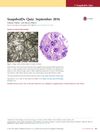 August 2016 in “Journal of Investigative Dermatology”
 Scalp psoriasis features reversible hair loss and specific immune activation, with no significant hair follicle damage.

Optical Coherence Tomography has potential in diagnosing hair loss and monitoring blood clotting, and could be improved for deeper tissue observation and better hair loss understanding.
5 citations
,
July 2023 in “Microorganisms” The study found specific skin and cell changes in patients with monkeypox, helping diagnose and understand the disease.
 60 citations
,
January 2004 in “The journal of investigative dermatology/Journal of investigative dermatology”
60 citations
,
January 2004 in “The journal of investigative dermatology/Journal of investigative dermatology” Applying a specific inhibitor lightens skin and hair color.
 6 citations
,
April 2010 in “Cellular Reprogramming”
6 citations
,
April 2010 in “Cellular Reprogramming” Pig skin cells can turn into mesodermal cells but lose their ability to become neural cells.
 6 citations
,
August 2021 in “International Journal of Pharmaceutics”
6 citations
,
August 2021 in “International Journal of Pharmaceutics” A new device, IVL-PPF Microsphere®, was created to deliver a hair loss drug for up to 3 months with one injection, potentially replacing daily pills.
9 citations
,
January 2021 in “BioMed research international” Human hair-derived particles can effectively carry and release the cancer drug Paclitaxel in a pH-sensitive manner, potentially targeting cancer cells while sparing healthy ones.

Photobiomodulation effectively improves skin and hair conditions with minimal side effects.
 June 2026 in “Ophthalmology and Therapy”
 Near-infrared and red-light therapy shows promise for eye diseases, but more research is needed to confirm its safety and effectiveness.
September 2002 in “대한피부과학회지” Koreans have lower hair density, larger hair diameter, and slower hair growth than Caucasians.