PRP therapy is a simple and safe option for hair loss, but its effectiveness is not clearly stated.
7 citations
,
January 2025 in “Current Issues in Molecular Biology” Microbial-derived polydeoxyribonucleotide is a better and more sustainable alternative to salmon-based versions for healing and immune support.
February 2026 in “Advanced Science” Targeting the p300/AR axis may help treat polycystic ovary syndrome.
November 2020 in “Journal of animal science/Journal of animal science ... and ASAS reference compendium” Certain genetic variants in PRLR and PCCA genes may lead to shorter hair in cattle, which could help with heat tolerance.
 June 2026 in “Zenodo (CERN European Organization for Nuclear Research)”
 PRP therapy helps improve skin texture and elasticity.
 5 citations
,
April 2017 in “Dermatologic Surgery”
5 citations
,
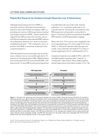
April 2017 in “Dermatologic Surgery” PRP treatment satisfies 58% of female hair loss patients, with most noticing fuller, thicker hair and less shedding.
75 citations
,
September 2016 in “EMBO journal” PRC2 is essential for maintaining intestinal cell balance and aiding regeneration after damage.
May 2020 in “Journal of the Dermatology Nurses’ Association” The multimedia tool improved patient understanding of PRP treatment for hair loss.
 December 2025 in “Zenodo (CERN European Organization for Nuclear Research)”
 Current drug safety systems fail to detect long-term side effects, leading to preventable health issues.
July 2025 in “Journal of Clinical Medicine” Platelet-rich concentrates can be an alternative treatment for oral lichen planus, especially when steroids don't work.
November 2023 in “Scientific Papers Journal VETERINARY SERIES” Platelet-rich plasma can boost embryo production and implantation in mammals.
 348 citations
,
July 2017 in “Skin appendage disorders”
348 citations
,
July 2017 in “Skin appendage disorders” Platelet-rich plasma shows promise for skin and hair treatments but needs more research and standardization.
 18 citations
,
January 2020 in “Indian Dermatology Online Journal”
18 citations
,
January 2020 in “Indian Dermatology Online Journal” Platelet-rich plasma shows potential for hair loss and skin rejuvenation but needs more research for widespread use.
 5 citations
,
May 2018 in “Drug Safety”
5 citations
,
May 2018 in “Drug Safety” Using electronic health records can help identify drug side effects but has some limitations.
January 2022 in “Pastic and aesthetic research” PRP helps skin regeneration but needs standardized testing for consistent results.
 3 citations
,
October 2020 in “Journal of Transfusion Medicine”
3 citations
,
October 2020 in “Journal of Transfusion Medicine” Platelet-rich plasma therapy is seen as a promising tissue repair method but lacks standardized protocols.
 1 citations
,
June 2017 in “Journal of The American Academy of Dermatology”
1 citations
,
June 2017 in “Journal of The American Academy of Dermatology” PRP treatment for hair loss shows promise, with 58% of patients satisfied and most noticing improvement within 6 months.
3 citations
,
December 2023 in “Pain Medicine” Peripheral nerve stimulation greatly reduced pain and improved skin symptoms in a CRPS patient.
1 citations
,
November 2021 in “Jurnal Tadris IPA Indonesia” PRP can improve skin beauty naturally but doesn't last as long as plastic surgery.

Standardized PRP therapy can improve treatment for hair loss.
 19 citations
,
August 2019 in “Seminars in Plastic Surgery”
19 citations
,
August 2019 in “Seminars in Plastic Surgery” Platelet-rich plasma is beneficial in various plastic surgery applications, but more research is needed to standardize its use.
 September 2022 in “British Dental Journal”
 Platelet-rich fibrin is becoming popular for medical and cosmetic uses like hair growth and natural fillers.
 19 citations
,
December 2020 in “Plastic and Reconstructive Surgery”
19 citations
,
December 2020 in “Plastic and Reconstructive Surgery” Platelet-rich plasma is used for facial and hair treatments, showing benefits despite varying methods and limited research.
11 citations
,
November 2011 in “Neuroreport” Paroxetine relieves pain by increasing allopregnanolone levels.
29 citations
,
March 2016 in “Dermatologic therapy” Platelet-rich plasma may successfully treat lichen planopillaris, as shown by one patient's symptom regression.
 October 2023 in “Journal of the European Academy of Dermatology and Venereology”
 Patients with skin diseases rated psychological effects as most impactful, needing a treatment approach that addresses both mind and body.
17 citations
,
October 2023 in “Molecules” Plant-derived PDRN from ginseng roots effectively heals skin and improves its barrier.
 7 citations
,
December 2016 in “Journal of The Taiwan Institute of Chemical Engineers”
7 citations
,
December 2016 in “Journal of The Taiwan Institute of Chemical Engineers” Pig blood plasma can be used to promote human hair growth and is a good alternative to the commonly used serum additive.
 February 2024 in “Frontiers in plant science”
 Peps help Arabidopsis plants grow more root hairs by affecting specific genes and calcium signaling.
 1 citations
,
May 2017 in “Hair transplant forum international”
1 citations
,
May 2017 in “Hair transplant forum international” PRP is beneficial for hair restoration.