19 citations
,
July 1994 in “International Journal of Dermatology” A 9-year-old boy had a calcium deposit nodule on his earlobe.
June 2026 in “Indian Dermatology Online Journal” A supernumerary nipple was correctly identified using dermoscopy, avoiding misdiagnosis.
A woman with a rare hair loss condition developed skin cancer in the bald area.
13 citations
,
July 2004 in “Pediatric dermatology” A new severe form of monilethrix syndrome includes hair loss, scalp itching, cataracts, and distinct facial features.
November 2025 in “Frontiers in Endocrinology” A rare tumor caused unusual hormone production leading to Cushing syndrome.
 6 citations
,
April 2013 in “International Journal of Dermatology”
6 citations
,
April 2013 in “International Journal of Dermatology” Dermoscopy helps diagnose unusual skin lesions like osteonevus of Nanta and can prevent misdiagnosis of serious conditions.
 September 2022 in “TURKDERM”
 A rare benign skin nodule was found on the buttock, a unique location for this condition.
294 citations
,
February 2011 in “Cell” Nephronectin helps attach muscle cells to hair follicles.
 March 2025 in “American Journal of Medical Genetics Part A”
 A rare genetic variant linked to skin cysts was found in blood DNA, suggesting its role in cyst formation.
 5 citations
,
October 2018 in “Dermatologic therapy”
5 citations
,
October 2018 in “Dermatologic therapy” Recognizing congenital triangular alopecia is crucial to avoid unnecessary treatments.
August 2024 in “Clinical Case Reports” Pilomatricoma is a rare, benign skin tumor that requires surgical removal for best results.
January 2026 in “Indian Journal of Ophthalmology - Case Reports” Trichilemmal cysts can appear on children's eyelids and may be mistaken for other conditions.
 7 citations
,
November 2017 in “Cureus”
7 citations
,
November 2017 in “Cureus” Ear creases might indicate heart disease risk, needing more research.
2 citations
,
May 2014 in “PubMed” A 10-year-old boy was diagnosed with a rare scalp condition causing hair loss and treated with a topical cream.
September 2024 in “The Journal of Dermatology” Nevus comedonicus can sometimes grow terminal hair, challenging previous beliefs.
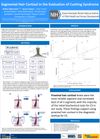 May 2016 in “Endocrine Abstracts”
 Proximal hair cortisol is a reliable tool for diagnosing Cushing's Syndrome.
18 citations
,
February 2001 in “Der Hautarzt” A woman with myotonic dystrophy had multiple skin tumors on her scalp, suggesting a genetic link.
2 citations
,
June 2012 in “American Journal of Dermatopathology” A rare neck cyst in a 47-year-old man showed diverse skin cell types and was not linked to HPV.
5 citations
,
April 2024 in “Heliyon” Wild and cultivated Saccharina latissima differ in chemical makeup and color due to environmental factors.
January 2002 in “Linchuang pifuke zazhi” A young woman had a rare scalp tumor usually found in older women.
January 2026 in “JCEM Case Reports” A rare case of Cushing's syndrome and pheochromocytoma requires careful re-evaluation to avoid complications.
 13 citations
,
June 2018 in “Dermatopathology”
13 citations
,
June 2018 in “Dermatopathology” A new classification system for skin cysts was proposed to improve diagnosis.
 2 citations
,
September 2021 in “Journal of Pathology of Nepal”
2 citations
,
September 2021 in “Journal of Pathology of Nepal” Most skin cysts were common types found in unusual body parts, and examining tissue samples is important for accurate diagnosis.
2 citations
,
May 2022 in “International journal of trichology” Plica neuropathica is a tangled hair condition that may be caused by hair damage or psychiatric issues and is treated by cutting the hair and addressing mental health.
2 citations
,
May 2020 in “Journal of the American Academy of Dermatology” Hair shaft changes may be linked to CCCA, but their role is unclear.
1 citations
,
September 2023 in “Prostate International” Cervi Parvum Cornu complex improved urinary symptoms in men without major side effects.
Trichoscopic examination is crucial for diagnosing congenital triangular alopecia.
October 2025 in “Journal of the Endocrine Society” Rathke’s cleft cysts can rarely cause Cushing disease, and surgery can improve symptoms.
 June 2021 in “Nepalese Journal of Ophthalmology”
 A 62-year-old woman got a lump on her eyelid from tiny mites, which is the first time this has happened.
 34 citations
,
December 1995 in “Pediatric Dermatology”
34 citations
,
December 1995 in “Pediatric Dermatology” Congenital Triangular Alopecia is a rare, non-scarring hair loss that can be surgically treated in females for cosmetic reasons.