 15 citations
,
April 2020 in “Journal of The American Academy of Dermatology”
15 citations
,
April 2020 in “Journal of The American Academy of Dermatology” Spironolactone effectively treats female pattern hair loss with few side effects.
 17 citations
,
November 2000 in “Journal of the American Pharmaceutical Association”
17 citations
,
November 2000 in “Journal of the American Pharmaceutical Association” The document concludes that low-dose oral contraceptives and hormonal therapies can manage perimenopause symptoms and reduce some health risks, but lifestyle changes and disease screening are also important.
 3 citations
,
January 2007 in “Elsevier eBooks”
3 citations
,
January 2007 in “Elsevier eBooks” The document concludes that individualized treatment and lifestyle changes are important for managing menopause symptoms and health risks.
 June 2020 in “International Journal of Research in Dermatology”
 Early postmenopausal women often experience skin issues like vaginal dryness, swallowing difficulties, hair loss, and uncommonly, keratoderma and hirsutism, but many are unaware these are related to menopause.
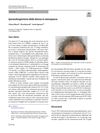 July 2022 in “L Endocrinologo”
 A 77-year-old woman with hair loss had high testosterone and 17OH-progesterone levels, but no significant findings on imaging.
January 2026 in “Clinics in Dermatology” Managing menopause symptoms like skin changes and hair thinning involves hormone therapy, procedures, and skincare, with emotional support being important.
 32 citations
,
March 2019 in “Climacteric”
32 citations
,
March 2019 in “Climacteric” Premature ovarian insufficiency (POI) can harm women's sexual health, and they may benefit from hormone therapy and counseling.
 6 citations
,
September 1998 in “The Journal of The British Menopause Society”
6 citations
,
September 1998 in “The Journal of The British Menopause Society” Testosterone replacement may help postmenopausal women with sexual function and bone density, but suitable treatments are limited.
 March 2026 in “Menopause The Journal of The North American Menopause Society”
 Migraines often worsen during perimenopause, but safe treatments are available.

Most postmenopausal women experience significant skin changes and various skin conditions.
 January 2013 in “Revista Clínica Española”
 A postmenopausal woman's increased male hormone levels were successfully treated with surgery.
 10 citations
,
December 2010 in “British Journal of Dermatology”
10 citations
,
December 2010 in “British Journal of Dermatology” After menopause, some women lose scalp hair and gain facial hair, with patterns suggesting different underlying causes.
 29 citations
,
May 1998 in “Bulletin of the American College of Nurse-Midwifery”
29 citations
,
May 1998 in “Bulletin of the American College of Nurse-Midwifery” The document concludes that menopause should be seen as a natural part of aging and managed with personalized care and informed choices.
 10 citations
,
January 2014 in “Journal of Mid-life Health”
10 citations
,
January 2014 in “Journal of Mid-life Health” Menopause can cause skin issues, and seeing a dermatologist helps.
October 2019 in “DOAJ (DOAJ: Directory of Open Access Journals)” Menopausal acne is mainly caused by hormonal changes and can be managed with topical treatments, lifestyle changes, and sometimes medication.
1 citations
,
March 2005 in “Zentralblatt für Gynäkologie” A postmenopausal woman had high testosterone from her right adrenal gland, leading to recommended surgery.
 26 citations
,
January 2020 in “Przegląd Menopauzalny”
26 citations
,
January 2020 in “Przegląd Menopauzalny” Menopausal women have higher androgen levels, which can cause symptoms like facial hair growth and low sexual desire.
 1 citations
,
September 2025 in “EMJ Dermatology”
1 citations
,
September 2025 in “EMJ Dermatology” Menopause affects skin and hair, and more research is needed for effective treatments.
October 2025 in “Journal of Obstetric and Gynaecological Practices POGS”  July 2020 in “International Journal of Dermatology Venereology and Leprosy Sciences”
 Most postmenopausal women experience skin and hair issues, so regular check-ups are important.
June 2023 in “Sri Lanka Journal of Menopause”  September 2023 in “Gynäkologische Endokrinologie”
 Menopause causes skin and hair to become drier and thinner, but hormone therapy can improve these conditions.
June 2026 in “British Journal of Dermatology” Menopause often causes hair changes, and many women need better support and information.
 3 citations
,
September 2014 in “Journal of obstetrics and gynaecology Canada”
3 citations
,
September 2014 in “Journal of obstetrics and gynaecology Canada” Menopause often leads to lower sexual desire and discomfort during sex, but treatment should be personalized and only if it bothers the woman.

Menopause can cause skin and hair changes like dryness, thinning, and hair loss.
January 2024 in “Cosmetics” Menopause worsens skin, hair, and nails, affecting self-esteem and quality of life.
 180 citations
,
January 2003 in “American Journal of Clinical Dermatology”
180 citations
,
January 2003 in “American Journal of Clinical Dermatology” Menopause can lead to skin and hair problems due to hormonal changes, but hormone replacement therapy might help slow these effects.

Menopause can cause skin and hair changes like dryness, thinning, and hair loss.
 38 citations
,
December 2011 in “British Journal of Dermatology”
38 citations
,
December 2011 in “British Journal of Dermatology” Menopause-related hormonal changes affect hair but are not the only cause of hair changes in middle-aged women.