December 2025 in “Cosmetics” New treatments for alopecia show promise in restoring hair growth by targeting immune and hormonal factors.
 December 2025 in “Antioxidants”
 Fermented Yeast Complex Extract helps regrow hair by reducing oxidative stress and inflammation.
November 2025 in “Biomedicines” Hypochlorous acid is a safe, effective antimicrobial with potential in various medical fields, but more research is needed to improve its stability and use.
November 2025 in “Advanced Healthcare Materials” Bioprinting is improving skin models for better testing of skin diseases without using animals.
September 2025 in “International Journal of Molecular Sciences” Deucravacitinib may help treat various immune diseases beyond psoriasis, but more research is needed.
 July 2025 in “JOJ Dermatology & Cosmetics”
 Both treatments improved hair quality and thickness equally, with mild side effects.
 July 2025 in “Current Issues in Molecular Biology”
 Bio-Pulsed sEVs improve hair growth and skin rejuvenation.
May 2025 in “International Journal of Biological Macromolecules” A new microneedle treatment shows promise for better hair regrowth in androgenetic alopecia.
 August 2024 in “Nature Communications”
 Softer hydrogels help wounds heal better with less scarring.
 April 2024 in “Histochemistry and cell biology”
 N-acetylcysteine may prevent hair loss caused by chemotherapy.
 March 2024 in “International journal of molecular sciences”
 Zinc, copper, and iron are important for skin health and may help diagnose skin diseases.
 February 2024 in “World journal of stem cells”
 Adipose-derived stem cells can help repair and improve eye tissues and appearance.
 February 2024 in “Plastic and Reconstructive Surgery – Global Open”
 Stem cell therapies show promise for hair regrowth in androgenetic alopecia.
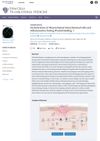 July 2023 in “Stem Cells Translational Medicine”
 Mesenchymal Stem/Stromal Cells (MSCs) help in wound healing and tissue regeneration, but can also contribute to tumor growth. They show promise in treating chronic wounds and certain burns, but their full healing mechanisms and potential challenges need further exploration.

Plant-based compounds can improve wound dressings and skin medication delivery.
 May 2023 in “International Journal of Molecular Sciences”
 Mesenchymal stem cells could help treat radiation-induced bladder damage but more research is needed to overcome current limitations.
 February 2023 in “Vaccines”
 COVID-19 may harm male reproductive health and lower testosterone levels, potentially affecting fertility and causing erectile dysfunction. More research is needed.
 February 2023 in “Frontiers in Bioengineering and Biotechnology”
 Optical imaging and light therapy show promise for diagnosing and treating liver injury caused by surgery.
1647 citations
,
June 2014 in “BMJ” Evidence-based medicine needs improvement to better tailor treatments to individual patients.
502 citations
,
February 2008 in “The Journal of Clinical Endocrinology & Metabolism” Treat significant hirsutism with medication and hair removal; use birth control pills first, adding antiandrogens if needed.
26 citations
,
January 2025 in “iScience” PRP helps tissue repair but lacks standard preparation methods.
20 citations
,
April 2022 in “Frontiers in Bioengineering and Biotechnology” Regenerative medicine in Malaysia shows promise for treating diseases but faces ethical and safety challenges.
4 citations
,
July 2025 in “Cosmetics” Olive mill wastewater can be used as a sustainable source of skin-benefiting ingredients.
 3 citations
,
August 2024 in “Frontiers in Oncology”
3 citations
,
August 2024 in “Frontiers in Oncology” Targeted radionuclide therapy shows promise for improving head and neck cancer treatment but needs more research.
2 citations
,
January 2024 in “Open Agriculture” Using young Lokananta shallot seedlings at a specific density boosts yield and profits.
 1 citations
,
October 2022 in “Molecular therapy”
1 citations
,
October 2022 in “Molecular therapy” The FDA approved the first gene therapy for a blood disorder after overcoming early challenges and demonstrating patient benefits.
December 2025 in “Journal of health economics and outcomes research” Alopecia areata in Saudi Arabia is costly, mainly due to lost productivity and drug costs.
December 2025 in “Journal of Inflammation Research” Improving education, training, and access to affordable treatments is crucial for better managing inflammatory skin diseases in Latin America.
October 2025 in “JPRAS Open” Many are open to telemedicine for hair loss if combined with in-person visits and better technology.
 January 2025 in “PROTEOMICS”
 Drug repositioning is a promising way to quickly develop new treatments, especially for rare diseases.