 72 citations
,
July 2012 in “Journal of Investigative Dermatology”
72 citations
,
July 2012 in “Journal of Investigative Dermatology” Mice lacking a key DNA methylation enzyme in skin cells have a lower chance of activating stem cells necessary for hair growth, leading to progressive hair loss.
1 citations
,
May 2026 in “Journal of Dermatological Treatment” JAK1 inhibitor may effectively treat alopecia areata when TNF-α inhibitors and corticosteroids fail.
 1 citations
,
September 2012 in “Journal of Investigative Dermatology”
1 citations
,
September 2012 in “Journal of Investigative Dermatology” Aging reduces stem cell activation, leading to hair loss in mice lacking a specific enzyme.
 9 citations
,
December 2008
9 citations
,
December 2008 Men with untreated male pattern hair loss continue to lose hair over a 5-year period.
 8 citations
,
June 2019 in “Scientific Reports”
8 citations
,
June 2019 in “Scientific Reports” Increased PPARGC1α relates to hair thinning in common baldness.
5 citations
,
October 2019 in “JAAD Case Reports” These hair loss conditions might be part of a spectrum, not separate issues.
 12 citations
,
May 2016 in “British Journal of Dermatology”
12 citations
,
May 2016 in “British Journal of Dermatology” AGA progression involves increased lipid synthesis, electron transport, and hair follicle miniaturization.
 11 citations
,
September 1997 in “Archives of Dermatology”
11 citations
,
September 1997 in “Archives of Dermatology” Reduced androgens linked to kinky hair disorder and hair loss; 5a-reductase inhibitors may help.
 26 citations
,
September 2012 in “Journal of The American Academy of Dermatology”
26 citations
,
September 2012 in “Journal of The American Academy of Dermatology” Patients with rapidly progressive alopecia areata often have a better outlook and shorter disease duration, with regrown fine hairs and no past alopecia being positive signs.
 14 citations
,
February 2021 in “Journal of the European Academy of Dermatology and Venereology”
14 citations
,
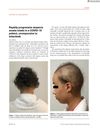
February 2021 in “Journal of the European Academy of Dermatology and Venereology” A COVID-19 patient with severe hair loss did not improve with hair loss medication after stopping and restarting it due to the infection.
8 citations
,
July 2018 in “The Journal of Dermatology” Current corticosteroid pulse therapy is not very effective for severe rapidly progressive alopecia areata.

Tofacitinib effectively regrows hair in alopecia universalis triggered by a virus.
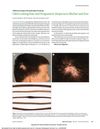
April 2023 in “Journal of Investigative Dermatology” Increased TEMRA cells can predict treatment outcomes in rapidly progressive alopecia areata.
 May 2014 in “JAMA Dermatology”
 Mother and son diagnosed with a rare genetic hair loss condition with no effective treatment.
 September 2022 in “JAAD Case Reports”
 COVID-19 may worsen hair loss in people with a certain type of scarring alopecia, but early treatment can help improve symptoms and hair regrowth.
 4 citations
,
October 2018 in “Experimental Dermatology”
4 citations
,
October 2018 in “Experimental Dermatology” Dermoscopy shows that diffuse alopecia areata progresses through specific hair growth stages.
4 citations
,
February 2018 in “World journal of surgical oncology” A young woman with kidney cancer experienced rare hair loss from a cancer drug and unusual cancer spread, suggesting early drug treatment might reduce spread and prolong survival.
 January 2024 in “Journal of Cosmetic Dermatology”
 Men's and women's pattern hair loss progress differently, with men showing more hair thinning and women having more widespread hair loss.
 July 2023 in “International journal of trichology”
 Injectable platelet-rich fibrin may stop hair loss from Discoid lupus erythematosus.
July 2024 in “JAAD International” Androgenetic alopecia worsens with age in Japanese men.
 1 citations
,
November 2001 in “British Journal of Dermatology”
1 citations
,
November 2001 in “British Journal of Dermatology” Oral cyclosporin doesn't stop hair loss.
COVID-19 may trigger or worsen rapid hair loss in alopecia areata.
 July 2008 in “British Journal of Dermatology”
 Cyclosporin doesn't stop hair loss.
 81 citations
,
January 2006 in “Journal of cellular physiology”
81 citations
,
January 2006 in “Journal of cellular physiology” Mice without the vitamin D receptor gene lose hair due to disrupted hair follicle cycles.
 3 citations
,
May 2023 in “Precision clinical medicine”
3 citations
,
May 2023 in “Precision clinical medicine” Researchers found four genes that could help diagnose severe alopecia areata early.
 1 citations
,
December 2019 in “Dermatologic Therapy”
1 citations
,
December 2019 in “Dermatologic Therapy” Only anti-androgenic drugs likely halt AGA progression.
Dupilumab may worsen hair loss in patients with alopecia areata.
16 citations
,
April 2020 in “JAMA dermatology” More inflammation leads to faster and worse hair loss in women with frontal fibrosing alopecia.
15 citations
,
January 2012 in “International journal of trichology” The HairCheck® device is effective for measuring hair loss and growth in people with alopecia.
February 2026 in “International Journal of Homoeopathic Sciences” Homeopathy helped regrow hair and stabilize alopecia areata.