 85 citations
,
July 2002 in “Pigment Cell Research”
85 citations
,
July 2002 in “Pigment Cell Research” The article concludes that while we understand a lot about how melanocytes age and how this can prevent cancer, there are still unanswered questions about certain pathways and genes involved.
 56 citations
,
February 2012 in “Cell Cycle”
56 citations
,
February 2012 in “Cell Cycle” MicroRNAs are crucial for controlling skin development and healing by regulating genes.
 39 citations
,
January 2016 in “PubMed”
39 citations
,
January 2016 in “PubMed” Understanding how EDC genes are regulated can help develop better drugs for skin diseases.
 39 citations
,
January 2015 in “International journal for parasitology/International Journal for Parasitology”
39 citations
,
January 2015 in “International journal for parasitology/International Journal for Parasitology” Epidermal keratinocytes start wound healing and inflammation after schistosome infection.
22 citations
,
July 2015 in “PloS one” Foxp1 helps control hair stem cell growth and response to stress during hair growth cycles.
18 citations
,
January 2013 in “Evidence-based Complementary and Alternative Medicine” Aconiti Lateralis Preparata Radix helps mouse stem cells grow and turn into bone cells faster than usual methods.
 17 citations
,
May 2023 in “Aesthetic Plastic Surgery”
17 citations
,
May 2023 in “Aesthetic Plastic Surgery” Stem cell therapies show the most promise for anti-aging benefits.
13 citations
,
July 2024 in “BMC Genomics” New genes and markers can help breed better cashmere goats.
 12 citations
,
May 2015 in “Molecular Medicine Reports”
12 citations
,
May 2015 in “Molecular Medicine Reports” Troxerutin helps protect skin cells from oxidative stress and may be good for treating hair loss.
 9 citations
,
January 2018 in “BioMed Research International”
9 citations
,
January 2018 in “BioMed Research International” Tetrahydroxystilbene Glucoside may help prevent hair loss by blocking certain pathways that lead to cell death.
 2 citations
,
May 2023 in “International Journal of Molecular Sciences”
2 citations
,
May 2023 in “International Journal of Molecular Sciences” The TRPV3 ion channel is important for skin and hair health and could be a target for treating skin conditions.

The document concludes that the development of certain tumors is influenced by genetic background and that a specific gene modification can lead to tumor regression and reduced growth.
September 2019 in “Journal of Investigative Dermatology” Silibinin may help promote hair growth and treat hair loss.
 December 2018 in “The Journal of medical research”
 The Consciousness Energy Healing Treatment significantly increased human dermal papilla cell growth, suggesting it may help with hair growth and skin disorders.
 September 2017 in “Journal of Investigative Dermatology”
 Blue light helps hair growth by affecting specific proteins in hair follicle cells.
 20 citations
,
July 2013 in “International Journal of Dermatology”
20 citations
,
July 2013 in “International Journal of Dermatology” Obesity increases the risk of skin infections, inflammatory conditions, and melanoma, but not basal cell carcinoma.
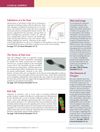 April 2015 in “Experimental Dermatology”
 Melanoma risk tools need improvement, certain gene mutations cause skin diseases and could be treated by targeting those mutations, skin wrinkling may relate to lung aging due to genetic factors, and oxidative stress affects hair loss but can be reduced in low oxygen.
 1 citations
,
December 2025 in “Scientific Reports”
1 citations
,
December 2025 in “Scientific Reports” A machine learning model can predict alopecia areata early using specific gene markers.
 2 citations
,
January 2023 in “Scientific Reports”
2 citations
,
January 2023 in “Scientific Reports” HIF-1α is important for hair growth and could be a treatment target for hair loss.
 30 citations
,
October 2012 in “Current Opinion in Endocrinology, Diabetes and Obesity”
30 citations
,
October 2012 in “Current Opinion in Endocrinology, Diabetes and Obesity” Thyroid hormones are important for skin health and might help treat skin diseases, but more research is needed to understand their effects fully.
 26 citations
,
April 2019 in “Genes”
26 citations
,
April 2019 in “Genes” lncRNA XLOC_008679 and gene KRT35 affect cashmere fineness in goats.
 24 citations
,
November 2021 in “PLoS ONE”
24 citations
,
November 2021 in “PLoS ONE” Ablative fractional laser treatment rejuvenates skin by altering gene expression and promoting wound healing and tissue regeneration.
 24 citations
,
October 2014 in “Cold Spring Harbor Perspectives in Medicine”
24 citations
,
October 2014 in “Cold Spring Harbor Perspectives in Medicine” Genetic research has advanced our understanding of skin diseases, but complex conditions require an integrative approach for deeper insight.
 23 citations
,
January 2021 in “Scientific Reports”
23 citations
,
January 2021 in “Scientific Reports” Adding human blood vessel cells to hair follicle germs may improve hair growth and quality.
 20 citations
,
June 2014 in “BMC genomics”
20 citations
,
June 2014 in “BMC genomics” Poplar seed hairs grow from the placenta at the ovary base, with endoreduplication playing a key role in their development, and share similar cellulose synthesis processes with cotton fibers.
 6 citations
,
May 2022 in “Frontiers in physiology”
6 citations
,
May 2022 in “Frontiers in physiology” Injecting CHIR-99021 into goose embryos improves feather growth by changing gene activity and energy processes.
 2 citations
,
August 2022 in “Frontiers in Veterinary Science”
2 citations
,
August 2022 in “Frontiers in Veterinary Science” The research found key RNA networks that may control hair growth in cashmere goats.
 1 citations
,
November 2022 in “Frontiers in medicine”
1 citations
,
November 2022 in “Frontiers in medicine” The study found that giant pandas have more melanin in black hair follicles than white, with gene expression differences that could affect hair color and skin health.
 January 2025 in “BMC Genomics”
 Long non-coding RNAs help regulate wool fineness in Gansu alpine fine-wool sheep.
 July 2023 in “Frontiers in veterinary science”
 Certain long non-coding RNAs are important for controlling hair growth cycles in sheep.