Search
for
Sort by
Research
30-60 / 1000+ resultsresearch The potential of Clausena anisata (Willd.) Hook.f. ex Benth against Propionibacterium acnes
Clausena anisata may be effective in treating acne due to its ability to fight bacteria, reduce inflammation, and possibly lower sebum production.

research Short-Chain Fatty Acids from Cutibacterium acnes Activate Both a Canonical and Epigenetic Inflammatory Response in Human Sebocytes
Short-chain fatty acids from *Cutibacterium acnes* cause skin inflammation, contributing to acne.
research Respective Treatment Modalities with the Use of Combined Ingredients to Address Acne Prone Skin
Using combined treatments can help manage acne by targeting the bacteria and skin changes that cause it.

research Trichobacteriosis Pubis Presenting as Genital Bromhidrosis
A rare bacterial infection of pubic hair can cause strong genital odor, but trimming hair and using clindamycin can quickly fix it.
research Acne, the Skin Microbiome, and Antibiotic Treatment
Antibiotics can reduce acne but may lead to resistant bacteria, and understanding the skin's bacteria is important for treatment.
research Distinct Phenotypic and Genomic Signatures Underlie Contrasting Pathogenic Potential of Staphylococcus epidermidis Clonal Lineages
Staphylococcus epidermidis A/C strains are more antibiotic-resistant and infection-adapted, while B strains thrive in hair follicles.
research Is Propionibacterium acnes associated with hair casts and alopecia?
Propionibacterium acnes might be linked to hair casts and possibly alopecia.

research Bacillus subtilis promotes plant phosphorus (P) acquisition through P solubilization and stimulation of root and root hair growth
Bacillus subtilis helps plants get more phosphorus and grow better roots.
research Staphylococcus aureus accessory gene regulator quorum-sensing system inhibits keratinocyte lipid enzymes and delays wound repair
Staphylococcus aureus delays wound healing by disrupting lipid metabolism in skin cells.
research Scalp bacterial species influence SIRT1 and TERT expression in keratinocytes
Scalp bacteria affect genes linked to hair health and growth.
research Repurposing Finasteride as a quorum sensing inhibitor in Pseudomonas aeruginosa
Finasteride may help treat Pseudomonas aeruginosa infections by reducing its harmful activities.
research Evaluation of lactic acid ferment lysate for the management of oily skin: impact on sebum, hydration, and microbiota
The cream effectively reduces oily skin, improves hydration, and changes skin bacteria.
research A computer‐aided drug repurposing: the antibacterial agents targeting GroEL
Daprodustat, combined with PAβN, could be a new antibacterial treatment.
research Penggunaan Simplex Lattice Design (SLD) dalam Optimasi HPMC dan Propilen Glikol Formula Gel Cinchonine Sebagai antibakteri Cutibacterium acnes (C.Acne)
The optimized Cinchonine gel effectively fights acne bacteria and is safe for twice-daily use.
research Citrullinome of Porphyromonas gingivalis Outer Membrane Vesicles: Confident Identification of Citrullinated Peptides
Citrullinated proteins from Porphyromonas gingivalis may contribute to rheumatoid arthritis.
research Histochemistry of the porcine pilosebaceous unit
Porcine and human pilosebaceous units are very similar.
research Functions of peroxisome proliferator‐activated receptors (PPAR) in skin homeostasis
PPARs help regulate skin health and could be used to treat skin disorders.
research A novel eco-friendly Acinetobacter strain A1-4-2 for bioremediation of aquatic pollutants
Acinetobacter strain A1-4-2 can safely clean water pollutants.
research Scalp bacterial shift in Alopecia areata
Alopecia areata patients have more Propionibacterium acnes and less Staphylococcus epidermidis on their scalps.
research A Porcine Model for the Development and Testing of Preoperative Skin Preparations
Povidone iodine reduced skin bacteria more than chlorhexidine gluconate, but neither met FDA reduction standards.
research 558 The Bacterial Metabolite, Butyrate, Prolongs Anagen and Promotes Autophagy, Mitochondrial Activity, Melanogenesis and Antimicrobial Peptide Production in Human Scalp Hair Follicles
Butyrate helps hair grow longer, improves hair cell health, increases pigment production, and boosts hair's natural defenses.
research Bacterial Skin Diseases
Bacterial skin diseases in camelids are often caused by moisture, trauma, and infections.
research Bacterial biofilm in acute lesions of hidradenitis suppurativa
research Hair Growth Promotion Activity of Bacillus Cereus Strain, An Endophytic Bacterium, Isolated from Eclipta Prostrata (L.) L
research Pseudofolliculitis barbae; current treatment options
Stopping shaving or removing hair follicles usually resolves Pseudofolliculitis barbae.
research Applying Effects of Lactobacillus reuteri and Bacillus natto on Piglet
Lactobacillus reuteri and Bacillus natto can replace antibiotics to improve piglet health and growth.
research Elevated carbon dioxide levels lead to proteome-wide alterations for optimal growth of a fast-growing cyanobacterium, Synechococcus elongatus PCC 11801
Higher CO2 levels help a cyanobacterium grow better by boosting photosynthesis and carbon uptake.
research Decreased selenium intake and low plasma selenium concentrations leading to clinical symptoms in a child with propionic acidaemia
Selenium deficiency caused symptoms in a child, which improved with selenium supplements.
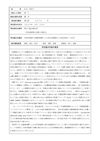
research 未利用資源の乳酸菌発酵による高付加価値化と化粧品原料への応用
Lactic acid bacteria fermentation can turn waste into valuable skincare ingredients.