 2 citations
,
January 2011 in “Clinical medicine insights”
2 citations
,
January 2011 in “Clinical medicine insights” Dutasteride is effective for treating prostate enlargement and reducing related surgery risk, but is not approved for preventing prostate cancer.
2 citations
,
February 2006 in “Mayo Clinic Proceedings” Finasteride is beneficial for BPH but requires careful monitoring due to cancer risks.
1 citations
,
September 2024 in “African Journal of Urology” Dutasteride is slightly better than finasteride for treating BPH but has fewer sexual side effects.
 1 citations
,
January 2016 in “ARC Journal of Urology”
1 citations
,
January 2016 in “ARC Journal of Urology” Thermobalancing therapy is safe and effective for treating enlarged prostates.
January 2026 in “Journal of Pharmacy & Bioresources” Many patients with benign prostatic hyperplasia experience high anxiety and residual symptoms, needing better anxiety management.
 January 2026 in “E3S Web of Conferences”
 Silver nanoparticles from Mitracarpus scaber protect the liver and reduce prostate enlargement.
 March 2025 in “MAEDICA – a Journal of Clinical Medicine”
 COVID-19 may worsen symptoms of benign prostatic hyperplasia (BPH).
 June 2023 in “Research Square (Research Square)”
 A higher genetic risk score increases the chance of getting benign prostatic hyperplasia and affects treatment outcomes in Han Chinese men.
 April 2013 in “The Journal of Urology”
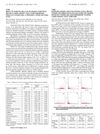
 Higher CRP levels suggest chronic inflammation is linked to bladder-related urinary symptoms in men with enlarged prostates.
 March 2011 in “European Urology Supplements”
 CEC levels may be a useful marker for predicting prostate cancer progression.
 March 2011 in “European Urology Supplements”
 Blood tests for tumor cells could improve prostate cancer diagnosis and treatment; hair loss severity linked to a gene affecting prostate conditions.
 February 2007 in “Faculty Opinions – Post-Publication Peer Review of the Biomedical Literature”
 Taking 1mg of finasteride daily for hair loss can lower PSA levels by 40-50%, so to keep PSA effective as a cancer screening tool, the PSA value should be doubled during treatment.
February 2006 in “Mayo Clinic Proceedings” Finasteride reduces prostate cancer risk but may increase high-grade cancer cases.
December 2004 in “SUNScholar (Stellenbosch University)” Certain genetic markers can indicate a person's risk of developing prostate cancer.
January 2017 in “Indian journal of health sciences and biomedical research KLEU” There is no link between hair loss and prostate enlargement.
 March 2013 in “The Journal of Urology”
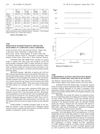
 Hair loss is linked to higher prostate-specific antigen levels and urinary symptoms, likely due to age.
 April 2012 in “Faculty Opinions – Post-Publication Peer Review of the Biomedical Literature”
 Early hair loss in men could be a sign of non-cancerous prostate enlargement, and treating hair loss early might help prevent prostate issues later.
 March 2012 in “Faculty Opinions – Post-Publication Peer Review of the Biomedical Literature”
 Hair loss can be an early sign of prostate enlargement.

People with early-onset hair loss (AGA) have a higher risk of heart disease, metabolic syndrome, and prostate enlargement.
 September 2005 in “Archives of Dermatological Research”
 Large prostate patients more likely to have hair loss.
16 citations
,
January 2019 in “Pharmaceutical biology” Lespedeza cuneata extract may help treat enlarged prostate.
39 citations
,
February 2011 in “The Prostate/The prostate” Some men's prostate tissues have low enzyme levels due to genetic changes, possibly affecting treatment for prostate enlargement.
14 citations
,
January 2020 in “Archivio Italiano di Urologia e Andrologia” Finasteride helps with prostate symptoms but may cause sexual side effects.
4 citations
,
June 2024 in “Animals” Osaterone acetate reduces prostate size and enzyme levels in dogs with benign prostatic hyperplasia.
4 citations
,
February 2016 in “The Journal of urology/The journal of urology” Most care for benign prostatic hyperplasia follows guidelines, but 5-α reductase inhibitors are often used incorrectly.
 3 citations
,
October 2011 in “QJM”
3 citations
,
October 2011 in “QJM” The drugs finasteride and dutasteride reduce low-grade prostate cancers but may double the risk of high-grade cancers.
 2 citations
,
December 2006 in “Lancet Oncology”
2 citations
,
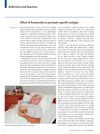
December 2006 in “Lancet Oncology” Finasteride significantly reduces PSA levels in men, and doctors should adjust PSA readings for those taking the drug.
May 2023 in “MQRInvestigar” A young dog with an enlarged prostate and cysts improved significantly after treatment and surgery.
 March 2009 in “The Journal of Urology”
 Low dose finasteride causes only minor changes in PSA levels in men over 50 with BPH.
 June 2007 in “Nature Clinical Practice Urology”
 Finasteride for hair loss lowers PSA levels, so PSA values need adjusting when screening for prostate cancer.