2 citations
,
January 2025 in “International Journal of Molecular Sciences” Chitosan-encapsulated Cordyceps militaris reduces lung cell damage from pollution.
2 citations
,
December 2024 in “International Journal of Molecular Sciences” Liver stem cells keep their basic functions even in inflamed liver tissue.
2 citations
,
June 2022 in “International Journal of Molecular Sciences” Lower levels of certain genes in hair cells improve hair loss treatment outcomes.
1 citations
,
July 2024 in “International Journal of Molecular Sciences” Effective delivery systems are crucial for siRNA hair loss treatments to work better.
1 citations
,
December 2023 in “International journal of molecular sciences” miR-199a-3p controls hair growth and is linked to alopecia areata.
 1 citations
,
April 2023 in “International Journal of Molecular Sciences”
1 citations
,
April 2023 in “International Journal of Molecular Sciences” New CRISPR/Cas9 variants and nanotechnology-based delivery methods are improving cancer treatment, but choosing the best variant and overcoming certain limitations remain challenges.
 May 2026 in “International Journal of Molecular Sciences”
 The new human placental extract may help prevent hair graying and reduce nerve pain from chemotherapy.
 February 2026 in “International Journal of Molecular Sciences”
 3-Hydroxypropionic acid may help treat hair loss by promoting hair growth in cells.
October 2025 in “International Journal of Molecular Sciences” Rebamipide may help regrow hair by activating hair follicle stem cells.
September 2025 in “International Journal of Molecular Sciences” Hangeshashinto's natural products may help treat stomatitis by reducing inflammation and cytotoxicity.
August 2025 in “International Journal of Molecular Sciences” Osmanthus fragrans var. aurantiacus Makino may help treat inflammation due to its antioxidative and anti-inflammatory properties.
 May 2025 in “International Journal of Molecular Sciences”
 DHHB from Platycladus orientalis L. promotes hair growth and could be a natural alternative to current treatments.
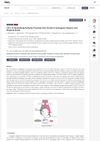 January 2024 in “International Journal of Molecular Sciences”
 Blocking the protein CXCL12 with a specific antibody can increase hair growth in common hair loss conditions.
September 2023 in “International journal of molecular sciences” Pinus densiflora extract may help improve memory and reduce brain inflammation.
 August 2023 in “International Journal of Molecular Sciences”
 Liposomes show promise for delivering CRISPR for gene editing but face challenges like delivery efficiency and safety concerns.
January 2023 in “International Journal of Molecular Sciences” August 2022 in “International Journal of Molecular Sciences” DNA methylation controls lncRNA2919, which negatively affects hair growth.
18 citations
,
August 2015 in “International Journal of Molecular Sciences” Ovine hair follicle stem cells can regenerate haired skin and may improve wool production.
9 citations
,
March 2018 in “International journal of molecular sciences” Allopregnanolone changes gene expression in glioblastoma cells.
8 citations
,
December 2022 in “International journal of molecular sciences” Mice without the enzyme HSD17B3 still produce normal testosterone, suggesting they have different ways to make it compared to humans.
7 citations
,
November 2022 in “International Journal of Molecular Sciences” As Japanese males age, their hair darkens due to increased melanin, with males generally having darker hair than females.
3 citations
,
January 2023 in “International journal of molecular sciences” Certain miRNAs play a key role in the growth of cashmere by affecting hair follicle development and regeneration.
2 citations
,
May 2024 in “International Journal of Molecular Sciences” Targeting CD169+ skin macrophages may help treat psoriasis.
2 citations
,
May 2019 in “International Journal of Molecular Sciences” Tranexamic acid turns white hair brown in certain mice by affecting specific proteins.
1 citations
,
October 2025 in “International Journal of Molecular Sciences” Mutating the gmds gene in zebrafish increases hair cell numbers and regeneration.
1 citations
,
March 2019 in “International Journal of Molecular Medicine” Mouse hair follicle cells can become heart-like cells without genetic changes.
 March 2026 in “International Journal of Molecular Sciences”
 A temporary capillary cell type helps skin repair after radiation by promoting blood vessel growth.
 February 2026 in “International Journal of Molecular Sciences”
 Removing Lrig1-positive cells in mice leads to temporary loss of sebaceous glands.
August 2025 in “International Journal of Molecular Sciences” AVT is highly conserved and may have antimicrobial properties.
 July 2023 in “International Journal of Molecular Sciences”
 N,N-Dimethylglycine Sodium Salt helps reduce skin inflammation and improves skin cell growth and healing.