December 2025 in “Phytomedicine Plus” Combining herbal medicines with modern delivery systems may improve alopecia treatment.

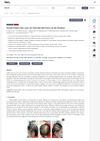
Dr. Min's method for eyebrow and eyelash transplantation is effective, with most hairs regrowing, and proper recovery is crucial for success.
 July 2025 in “Journal of Drug Delivery and Therapeutics”
 Herbal remedies like ginseng and green tea may help regenerate hair follicles damaged by pesticides.
 February 2024 in “Plastic and Reconstructive Surgery – Global Open”
 Stem cell therapies show promise for hair regrowth in androgenetic alopecia.
Different genes cause Female Pattern Hair Loss compared to male hair loss, and treatments vary, but more research is needed to understand it fully.
 August 2022 in “IntechOpen eBooks”
 The best treatment for Frontal Fibrosing Alopecia and Lichen Planopilaris combines oral and topical medications to reduce symptoms and stop hair loss.
26 citations
,
December 2020 in “Photodermatology Photoimmunology & Photomedicine” Photobiomodulation can improve hair density and thickness, but it's costly and needs more research.
2 citations
,
September 2025 in “Cosmetics” Hormonal therapies can improve skin issues by adjusting hormone levels, with future advancements promising better results.
January 2026 in “Pharmaceutical Medicine” January 2026 in “Research” New technologies show promise for safer, more effective hair loss treatments.
October 2025 in “Lasers in Medical Science”  August 2025 in “Drug Design Development and Therapy”
 Current treatments for androgenetic alopecia are complex and promising, but more research is needed.
 July 2025 in “American Journal of Clinical Dermatology”
 Alopecia treatments like 5α-reductase inhibitors and spironolactone are safe for breast cancer patients and high-risk women.
July 2024 in “International Journal of Molecular Sciences” RF-based therapies might help treat hair loss.
April 2024 in “Journal of clinical medicine” Effective treatment guidelines for frontal fibrosing alopecia are still unclear.
Kerascalp hair serum was found to be safe and effective in improving hair growth and strength in people with mild to moderate hair loss.
 January 2023 in “Journal of Cosmetics, Dermatological Sciences and Applications”
 The hair growth serum Trichosera® was effective in increasing hair regrowth and density and reducing hair fall without significant side effects.
 October 2023 in “Facial Plastic Surgery”
 New treatments for common hair loss include medications, regenerative therapies, and laser therapy, but may not work for everyone.
 August 2023 in “GLOBAL JOURNAL FOR RESEARCH ANALYSIS”
 Effective hair loss treatment requires personalized approaches and patient-provider collaboration.
 33 citations
,
August 2018 in “Facial Plastic Surgery Clinics of North America”
33 citations
,
August 2018 in “Facial Plastic Surgery Clinics of North America” The document explains hair biology, the causes of hair loss, and reviews various hair loss treatments.
13 citations
,
July 2019 in “PubMed” Nonsurgical treatments like minoxidil and laser therapy offer various options to manage hair loss effectively.
 8 citations
,
October 2018 in “Journal of The American Academy of Dermatology”
8 citations
,
October 2018 in “Journal of The American Academy of Dermatology” The review suggests there's no agreed treatment for Frontal Fibrosing Alopecia, but hydroxychloroquine and 5a-reductase inhibitors are most effective. New treatments like platelet-rich plasma and LED light could help if standard treatments fail.
 7 citations
,
August 2019 in “Aesthetic Plastic Surgery”
7 citations
,
August 2019 in “Aesthetic Plastic Surgery” Both surgical and non-surgical hair loss treatments lack a standard treatment plan and sufficient patient satisfaction data.
4 citations
,
November 2015 in “Hanbang an'i'bi'in'hu pibu'gwa haghoeji” Finasteride, Dutasteride, and Minoxidil are effective for hair growth, while new treatments like laser therapy and PRP show promise with few side effects.
 3 citations
,
November 2021 in “Journal of The American Academy of Dermatology”
3 citations
,
November 2021 in “Journal of The American Academy of Dermatology” Androgenetic alopecia, a genetic disorder affecting up to 50% of adults, is caused by an excessive response to androgens leading to hair follicle shrinkage. Treatments include FDA-approved drugs, other therapies like low-dose oral minoxidil, and hair transplantation.
1 citations
,
January 2024 in “Brazilian Journal of Health Review” Topical Minoxidil 5% is the most effective treatment for hair loss, especially when combined with other treatments.
 1 citations
,
May 2014 in “Hair transplant forum international”
1 citations
,
May 2014 in “Hair transplant forum international” Rogaine can stop hair loss in women, and other treatments like certain pills, light therapy, and special shampoos may also work.
Current treatments for androgenetic alopecia have limitations, and personalized approaches and new methods are needed for better results.
 March 2026 in “Editora Pasteur eBooks”
 Early diagnosis and a combination of treatments can effectively manage hair loss and improve quality of life.
 January 2026 in “International Society of Hair Restoration Surgery”
 Tattoo machine-assisted drug delivery may improve hair growth in androgenetic alopecia.