4 citations
,
June 2022 in “Frontiers in Cell and Developmental Biology” Plant extracts might help control stem cell growth for medical use.
4 citations
,
October 2018 in “Journal of Mind and Medical Sciences” Men and patients on atypical antipsychotics have better mental functioning and quality of life.
 3 citations
,
December 2022 in “Cells”
3 citations
,
December 2022 in “Cells” Cannabinoids like CBD and THC may help treat non-cancer skin diseases, but more research is needed.
 2 citations
,
January 2023 in “BioMed Research International”
2 citations
,
January 2023 in “BioMed Research International” Beetroot extract nanogel may help treat hair loss caused by testosterone.
1 citations
,
December 2023 in “Molecules/Molecules online/Molecules annual” JAK inhibitors show promise for treating various skin diseases.
May 2026 in “Mayo Clinic Proceedings” Early diagnosis and coordinated care are crucial for managing lupus effectively.
August 2025 in “Annals of the Rheumatic Diseases” SLE is likely one disease with various symptoms, not multiple distinct diseases.
 June 2024 in “ESMO Gastrointestinal Oncology”
 The combination treatment showed a higher response rate but no significant survival benefits.
 January 2024 in “Current research in toxicology”
 Thallium is highly toxic, causing severe health issues, and Prussian blue is the best antidote.
 February 2023 in “Journal of Ginseng Research/Journal of ginseng research”
 New ginseng compounds may help treat degenerative diseases.
17 citations
,
November 2009 in “Dermato-endocrinology” Medium-dose prednisolone pulse therapy is effective and safe for multifocal alopecia areata but not for more severe forms.
2 citations
,
November 2023 in “Global Advances in Integrative Medicine and Health” Combining a plant-based diet with emotional intelligence can lower BMI and bad cholesterol.
 1 citations
,
February 2022 in “Biological Trace Element Research”
1 citations
,
February 2022 in “Biological Trace Element Research” The combination of Arginine Silicate Inositol Complex and a new form of Biotin improved hair and nail growth in rats.
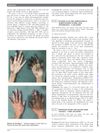
Psychosis can be an early sign of neuropsychiatric lupus, treatable with tailored medication.
 June 2011 in “Pharmacopsychiatry”
 Finasteride improved symptoms in a psychotic patient, but more research is needed.
February 2025 in “Iranian journal of pharmaceutical research”  November 2022 in “Journal of The Pakistan Dental Association”
 Oral ulcers are common in SLE patients and often link to other symptoms.
 March 2021 in “The British Journal of Psychiatry”
 Countries with stricter cultures had fewer COVID-19 cases and deaths, paranoia is linked to false memories, psychosocial intervention works as well with or without antipsychotic drugs for young people with psychosis, smartphones can detect changes in behavior indicating illness relapse, and recruitment agents show regional and gender biases.
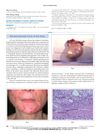 9 citations
,
May 2008 in “Journal of Clinical Oncology”
9 citations
,
May 2008 in “Journal of Clinical Oncology” A woman's ovarian tumor causing high testosterone was successfully removed, and her symptoms improved.
 10 citations
,
October 2016 in “Epilepsy & behavior”
10 citations
,
October 2016 in “Epilepsy & behavior” Levetiracetam often causes behavioral issues, while oxcarbazepine is more likely to cause sleepiness in epilepsy patients.
1 citations
,
September 2019 Managing severe infections in SLE patients requires tailored treatment strategies.
1 citations
,
September 1998 in “Journal of Advancement in Medicine” Thiamin deficiency might cause hair loss and mental health issues.
January 2024 in “Indian Journal of Psychiatry” Precision neuromodulation may improve schizophrenia symptoms.
 January 1978 in “Clin-Alert”
 A document listed serious side effects from various drugs, including deaths and diseases, emphasizing the importance of being aware of drug side effects.
33 citations
,
August 2013 in “Lupus” SLE patients in eastern Saudi Arabia have a generally good prognosis despite multi-organ involvement.
 1 citations
,
January 2014 in “Side effects of drugs annual”
1 citations
,
January 2014 in “Side effects of drugs annual” Antihelminthic drugs treat worm infections but face challenges like low treatment coverage and potential drug resistance, with various side effects reported for different drugs.
March 2021 in “Juniper Online Journal Material Science” Energy healing treatment improved L-cysteine's stability, solubility, bioavailability, and shelf-life.
Blocking 5α-reductase can reduce sleep deprivation-related behavioral issues in rats.
 1 citations
,
June 2022 in “Ciencia Latina Revista Científica Multidisciplinar”
1 citations
,
June 2022 in “Ciencia Latina Revista Científica Multidisciplinar” Psychiatric issues often appear as skin problems, affecting 30% of dermatology patients.
March 2025 in “International Journal of Clinical Dermatology” Psychodermatosis is reclassified based on brain-skin interaction, dividing conditions into psychogenic and psychosomatic categories.