 April 2017 in “Plastic and reconstructive surgery. Global open”
 Fetal scalp cells have more regenerative genes than adult cells, and decellularized muscle matrix is better for muscle repair than commercial alternatives.
1 citations
,
September 2025 in “Wound Repair and Regeneration” Tilapia skin matrix effectively aids skin wound healing and is a promising option for clinical use.
 August 2013 in “Nature Reviews Drug Discovery”
 New treatments may restore cancer-blocking proteins, slow prostate cancer, identify drug targets, and potentially regrow hair.
 22 citations
,
December 2016 in “PloS one”
22 citations
,
December 2016 in “PloS one” A specific protein in chicken embryos links early skin layers to feather development.
 45 citations
,
December 2014 in “Journal of the European Academy of Dermatology and Venereology”
45 citations
,
December 2014 in “Journal of the European Academy of Dermatology and Venereology” Plasmacytoid dendritic cells are a key factor in causing hair loss in alopecia areata and could help differentiate it from other hair loss conditions.
June 2026 in “The Egyptian Journal of Neurology Psychiatry and Neurosurgery” Mesenchymal stem cells show promise for treating Parkinson's disease by protecting and repairing brain cells.
13 citations
,
January 2002 in “Biochemical and biophysical research communications” Interferon β from hair cells stops the growth of other hair cells.
 86 citations
,
May 2008 in “Cytokine & growth factor reviews”
86 citations
,
May 2008 in “Cytokine & growth factor reviews” TNF family proteins are crucial for the development of skin features like hair, teeth, and mammary glands.
9 citations
,
October 2014 Vitamin D receptor helps prevent skin tumors.
August 2009 in “Mechanisms of Development”  9 citations
,
September 2017 in “Journal of Investigative Dermatology Symposium Proceedings”
9 citations
,
September 2017 in “Journal of Investigative Dermatology Symposium Proceedings” Prostaglandin D2 increases testosterone production in skin cells through a process involving reactive oxygen species, and antioxidants may help treat hair loss.
 January 2005 in “Elektronische Hochschulschriften der LMU München (Ludwig-Maximilians-Universität München)”
 Topical immunotherapy with DPCP is most effective for certain alopecia areata types, with success linked to age and disease duration, and influenced by a gene polymorphism.
June 2003 in “Faculty Opinions – Post-Publication Peer Review of the Biomedical Literature” GLABRA2 represses root hair formation by inhibiting a specific gene.
37 citations
,
January 2006 in “Carcinogenesis” Antizyme slows skin tumor growth by reducing cell growth in mice.
CRH causes hair loss by reducing cell survival in hair follicles.
 4 citations
,
October 2025 in “International Journal of Medical Sciences”
4 citations
,
October 2025 in “International Journal of Medical Sciences” Tripeptides help heal wounds and regenerate skin by speeding up tissue repair and reducing inflammation.
 7 citations
,
September 2019 in “Journal of Cellular Physiology”
7 citations
,
September 2019 in “Journal of Cellular Physiology” Akt2 protein is essential for normal cell division in early mouse embryos.
 13 citations
,
August 2007 in “Bioorganic & medicinal chemistry letters”
13 citations
,
August 2007 in “Bioorganic & medicinal chemistry letters” A new compound effectively inhibits human 5α-reductase 1.
10 citations
,
August 2013 in “Experimental Dermatology” Hairless protein and putrescine regulate each other, affecting hair growth and skin balance.
25 citations
,
February 2021 in “Diabetes” Dock5 is important for skin healing and could help treat diabetic wounds.
1 citations
,
January 2026 in “Science Advances” The 3D skin model mimics pemphigus vulgaris and helps test treatments.
 1 citations
,
April 2016 in “Journal of Investigative Dermatology”
1 citations
,
April 2016 in “Journal of Investigative Dermatology” Prostaglandin D2 increases testosterone levels in skin cells through reactive oxygen species, not enzymes, which could lead to new hair loss treatments.
July 2022 in “Journal of Investigative Dermatology” TRPS1 loss in balding scalp areas contributes to hair loss in androgenic alopecia.
 April 2018 in “Journal of Investigative Dermatology”
 CREB, a protein that can promote cancer traits, is controlled by β-catenin in skin cancer cells.
 137 citations
,
October 2009 in “The American journal of pathology”
137 citations
,
October 2009 in “The American journal of pathology” Matriptase is crucial for keeping epithelial tissues healthy and functioning properly.
 9 citations
,
March 2015 in “Journal of Microbiology and Biotechnology”
9 citations
,
March 2015 in “Journal of Microbiology and Biotechnology” Ultra-high molecular weight poly-γ-glutamic acid may help promote hair growth.
 20 citations
,
May 2016 in “Journal of Cutaneous Pathology”
20 citations
,
May 2016 in “Journal of Cutaneous Pathology” Using CD123 to detect certain immune cells helps diagnose a type of hair loss condition.
100 citations
,
May 2006 in “American Journal Of Pathology” Matriptase is crucial for skin barrier, hair growth, and may contribute to skin cancer.
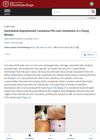 May 2024 in “Indian Journal of Dermatology”
 The woman has a rare skin condition called follicular Dowling-Degos disease, which has limited treatment options.
18 citations
,
January 2024 in “Regenerative Biomaterials” The hydrogel helps heal diabetic wounds by reducing infection and inflammation.