 July 1980 in “Journal of The American Academy of Dermatology”
 The conference concluded that understanding hair and nail disorders is important, iron deficiency may be linked to hair loss, and while some treatments for skin conditions are effective, they may have risks and high costs.
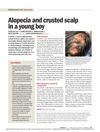 March 2026 in “Open MIND”
 Early treatment of scalp infections can prevent permanent hair loss.
 March 2026 in “International Journal of Homoeopathic Sciences”
 An integrative homeopathic approach may help manage acne, but more research is needed.
 February 2026 in “Dermatology Reports”
 Trichoscopy helps diagnose and treat dissecting cellulitis early, preventing scarring.
 January 2026 in “Dermatology Online Journal”
 CCCA can appear as patchy hair loss in younger men, not just the usual pattern.
 January 2026 in “Pediatria Polska”
 Early diagnosis and treatment of tinea capitis in children is crucial to prevent permanent hair loss and scarring.
 October 2025 in “Dermatology Practical & Conceptual”
 Early detection and treatment of acne can prevent scarring and improve quality of life.
 September 2025 in “The health sciences AUS.”
 Intralesional triamcinolone acetonide effectively treats acne keloidalis nuchae with minimal side effects.
 August 2025 in “International Journal of Environmental Sciences”
 Less than 10% of nursing students have PCOS, but many show symptoms and poor health habits, needing more education and yearly check-ups.
 August 2025 in “Scientific Reports”
 C4BPA protein may link acne severity and insulin resistance.
 June 2025 in “SAS Journal of Medicine”
 Early diagnosis of tufted hair is crucial for managing folliculitis decalvans, a chronic scalp condition.

Early diagnosis and treatment of Lichen Planopilaris are crucial to prevent permanent hair loss.

Higher apelin-12 levels may indicate more severe acne.
 January 2025 in “Journal of Case Reports and Scientific Images”
 Early recognition and treatment of scalp demodicosis can prevent misdiagnosis and effectively resolve symptoms.
 January 2025 in “International Journal of Advanced Biochemistry Research”
 Fluralaner effectively cures canine demodicosis in 28 days.
 January 2025 in “Surgical & Cosmetic Dermatology”
 Erbium-YAG laser treatment improved folliculitis decalvans without causing hair loss.
 December 2024 in “Journal of Population Therapeutics and Clinical Pharmacology”
 Psoriasis worsens in winter in India due to less sunlight and dry skin, needing personalized treatment.
 September 2024 in “Seven Editora eBooks”
 Dermatophylosis sporadically affects adult sheep in Sertão da Paraíba, causing alopecic and crusty skin lesions.
 September 2024 in “Advanced medical journal”
 Spironolactone is effective and safe for treating acne in women, especially those over 25 with hormonal imbalances.
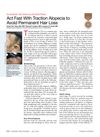 July 2024 in “Federal Practitioner”
 Act quickly to prevent permanent hair loss from tight hairstyles.
 April 2024 in “International journal of women's health”
 Adult female acne is a complex condition that can worsen with menopause, requiring holistic treatment and tailored skincare at different life stages.
 January 2024 in “International Journal of Dermatology Venereology and Leprosy Sciences”
 Patients with acne vulgaris have lower serum irisin levels.
 January 2024 in “International journal of advanced biochemistry research”
 Fluralaner successfully treated dogs with severe demodicosis in 2 months.
 January 2024 in “Advances in Dermatology and Allergology”
 New treatments offer hope for better managing hidradenitis suppurativa.
 December 2023 in “Jurnal Penelitian Pendidikan IPA”
 PRP heals pockmarked skin better than salmon DNA serum.

Recognizing unusual brain and skin symptoms is crucial for diagnosing lupus early.
 October 2023 in “Journal of Drug Delivery and Therapeutics”
 SANG5 niosomal gel effectively treats acne.
 July 2023 in “Dermatology practical & conceptual”
 Some lung cancer patients treated with EGFR inhibitors may develop a hair loss condition similar to folliculitis decalvans.
 July 2023 in “Nasza Dermatologia Online”
 More research is needed on CCCA in children, especially Black and Asian adolescents.
 June 2023 in “Benha Journal of Applied Sciences”
 Acne is caused by multiple types of bacteria.