 October 2024 in “SPIRE - Sciences Po Institutional REpository”
 Glypicans help hair follicle stem cells differentiate by interacting with specific receptors, influencing hair growth.
 59 citations
,
May 2017 in “Scientific reports”
59 citations
,
May 2017 in “Scientific reports” ZDHHC13 is important for normal liver function and metabolism, affecting mitochondrial activity.
 1 citations
,
January 2025 in “Frontiers in Oncology”
1 citations
,
January 2025 in “Frontiers in Oncology” REV7 is crucial for genome stability and cancer treatment, making it a potential target for therapy.
 1 citations
,
February 2004 in “Journal of The European Academy of Dermatology and Venereology”
1 citations
,
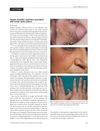
February 2004 in “Journal of The European Academy of Dermatology and Venereology” Hair loss improved with treatment and successful transplant.
 96 citations
,
September 2017 in “Analytica Chimica Acta”
96 citations
,
September 2017 in “Analytica Chimica Acta” Hair elemental analysis could be useful for health and exposure assessment but requires more standardization and research.
 5 citations
,
August 2018
5 citations
,
August 2018 Plant extracts can benefit skin but must be safe and high-quality.
 159 citations
,
December 2007 in “American Journal of Pathology”
159 citations
,
December 2007 in “American Journal of Pathology” Stress-related substance P may lead to hair loss and negatively affect hair growth.
7 citations
,
August 2017 in “Journal of dermatological science” Sorafenib causes skin reactions by increasing the number and activity of skin mast cells.
48 citations
,
February 2010 in “Molecular biology reports” KAP7.1 and KAP8.2 genes are crucial for cashmere quality in goats.
 7 citations
,
August 2022 in “Journal of Nanobiotechnology”
7 citations
,
August 2022 in “Journal of Nanobiotechnology” Advancements in nanoformulations for CRISPR-Cas9 genome editing can respond to specific triggers for controlled gene editing, showing promise in treating incurable diseases, but challenges like precision and system design complexity still need to be addressed.
7 citations
,
August 2025 in “Journal of Nanobiotechnology” Bioengineered microneedles and nanomedicine offer promising, precise treatments for tissue regeneration.

Microneedles could revolutionize pediatric medicine by offering painless drug delivery, but more development is needed.
 2 citations
,
March 2023 in “Frontiers in Bioengineering and Biotechnology”
2 citations
,
March 2023 in “Frontiers in Bioengineering and Biotechnology” CuSi nanowires with NIR photothermal properties could effectively treat infected wounds and promote healing.

Periplaneta americana extract promotes hair growth and is safe for treating hair loss.
 2 citations
,
May 2023 in “Plants”
2 citations
,
May 2023 in “Plants” Allium hookeri extract may help promote hair growth and protect cells from damage.
January 2026 in “Molecules” Dihydroartemisinin could be a versatile cosmetic ingredient but needs more research and development.
 December 2024 in “Cell Communication and Signaling”
 Fat tissue vesicles protect skin from UV damage better than stem cell vesicles.
 18 citations
,
July 2022 in “Frontiers in Immunology”
18 citations
,
July 2022 in “Frontiers in Immunology” Volatile organic compounds can cause inflammation and increase the risk of autoimmune diseases.
6 citations
,
January 2025 in “Molecules” Combining polymers and lipids may improve antioxidant delivery for wound healing, but practical challenges remain.
29 citations
,
September 2020 in “Polymers” The PCL/PHB blend allows for slower, more controlled curcumin release than individual polymers.
5 citations
,
September 2023 in “Molecules” These methods help understand cell structures and reactions.
2 citations
,
September 2020 in “International Journal of Molecular Sciences” Removing certain hair follicle stem cells worsens skin reactions to allergens.
29 citations
,
May 2025 in “Polymers” DLP bioprinting shows promise for medical uses, but needs more material options and strength improvements.
11 citations
,
June 2025 in “Polymers” Polysaccharide-based niosomes improve drug delivery and show promise in cancer therapy but face challenges in scalability and stability.
 September 2024 in “Journal of the American Academy of Dermatology”
 The compounded topical solution is safe, stable, and effective for personalized alopecia treatment.
46 citations
,
July 2015 in “Wound repair and regeneration” Keloid scars may form due to changes in skin cell characteristics and specific protein signaling.
 January 2025 in “BioMed Research International”
 Targeting DNA methylation can help treat skin disorders and cancers.
9 citations
,
July 2019 in “Journal of cosmetic dermatology” Topical PRP cream may improve facial skin by boosting collagen.
54 citations
,
March 2024 in “Journal of Medicinal Chemistry” N-oxides are important in medicine for improving drug properties and targeting.
39 citations
,
February 2024 in “Small” Microneedles are becoming essential tools in medicine for sensing, drug delivery, and communication.