10 citations
,
August 2007 in “Journal der Deutschen Dermatologischen Gesellschaft” Individualized treatment plans are crucial for managing excessive hair growth.
 20 citations
,
August 2018 in “Clinics in Dermatology”
20 citations
,
August 2018 in “Clinics in Dermatology” The conclusion is that understanding and addressing the psychological effects of alopecia areata is important for effective treatment.
Alopecia Areata has no cure, treatments are limited, and the condition often recurs, but new therapies like JAK inhibitors show promise.
December 2024 in “Benha Journal of Applied Sciences” Early intervention and continuous treatment are key for managing hereditary hair loss effectively.
43 citations
,
May 2011 in “Dermatologic therapy” New genetic discoveries in alopecia areata could lead to better treatments.
February 2025 in “International Journal of Impotence Research” 8 citations
,
January 2016 in “Case Reports in Psychiatry” Trichotillomania in dementia may be better treated with dopamine blockers like quetiapine than with SSRIs.
 February 2014 in “Revista Argentina de Cardiología”
 Androgens may increase arrhythmias in Brugada Syndrome, while Finasteride could reduce them.
 January 2024 in “Research Square (Research Square)”
 Traditional Chinese medicine may help treat ischemic stroke by targeting specific genes and pathways.
 1 citations
,
April 2020 in “medRxiv (Cold Spring Harbor Laboratory)”
1 citations
,
April 2020 in “medRxiv (Cold Spring Harbor Laboratory)” The study found that Tourette Syndrome may be linked to certain immune system processes and synaptic signaling.
Integrative hair therapy improved hair loss and regrowth.
 May 2026 in “International Journal For Multidisciplinary Research”
 Leech therapy might help treat alopecia areata by improving blood flow and immune response.
2 citations
,
January 2014 in “British Journal of Medicine and Medical Research” The body and mind should be seen as interconnected for better medical understanding and treatment.
23 citations
,
December 2013 in “Journal of Investigative Dermatology Symposium Proceedings” Genetic discoveries are leading to new treatments for alopecia areata.
 November 2009 in “Journal of Pediatric Nursing”
 Nonclassic congenital adrenal hyperplasia is a common genetic disorder that can cause a range of symptoms and requires personalized treatment.
August 2017 in “DOAJ (DOAJ: Directory of Open Access Journals)” Patients with certain types of hair loss often experience emotional and mental health issues.
1 citations
,
October 2017 in “Allergology International”  67 citations
,
April 2018 in “JAMA Dermatology”
67 citations
,
April 2018 in “JAMA Dermatology” Hair loss from hormone therapy in breast cancer patients can be improved with minoxidil treatment.
December 2025 in “Journal of Pharmacy And Bioallied Sciences” Personalized Ayurvedic treatment can effectively regrow hair in androgenetic alopecia.
 January 2023 in “Editora Enterprising eBooks”
 Neuropsychopedagogy positively impacts education quality.
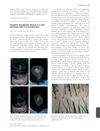 July 2011 in “British Journal of Dermatology”
 Hormone treatment caused hair loss, finasteride helped regrowth.
 May 2024 in “Portuguese journal of dermatology and venereology”
 Reassurance and counseling are key in managing acute telogen effluvium, with supplements possibly offering a placebo effect.
February 2025 in “Journal of Paediatrics and Child Health” Genetic analysis is crucial for diagnosing ectodermal dysplasia syndromes, and new therapies may help improve skin issues.
January 2019 in “Springer eBooks” Combination therapies might work better for some vitiligo patients, but results vary.
 July 2023 in “World Journal of Biology Pharmacy and Health Sciences”
 Trazodone and Chlorpromazine might help treat sexual dysfunction from finasteride and SSRIs.
January 2026 in “OSF Preprints (OSF Preprints)” A new treatment plan for hair loss combines targeted therapies and regenerative strategies to stabilize, reverse, and maintain hair growth.
March 2026 in “Experimental Dermatology” The new model helps understand and develop treatments for genetic skin disorders like AEC.
 May 2018 in “White Rose eTheses Online (University of Leeds, The University of Sheffield, University of York)”
 Alopecia areata may be treated by using EGCG to balance immune cells and reduce inflammation.
 123 citations
,
December 2015 in “Journal of Neuroendocrinology”
123 citations
,
December 2015 in “Journal of Neuroendocrinology” New targets for making and using brain-synthesized steroids could lead to better treatments for brain disorders and alcoholism.