10 citations
,
May 2025 in “Nutrition & Metabolism” Metabolic syndrome is linked to skin diseases, requiring integrated treatment and monitoring.
 1 citations
,
May 2023 in “European Journal of Human Genetics”
1 citations
,
May 2023 in “European Journal of Human Genetics” Rare ULBP3 gene changes may raise the risk of Alopecia areata, a certain FAS gene deletion could cause a dysfunctional protein in an immune disorder, and having one copy of a specific genetic deletion is okay, but two copies cause sickle cell disease.
1 citations
,
October 2009 in “Cancer Epidemiology Biomarkers & Prevention” Cancer prevention is crucial, with a focus on research and improved screening methods.
September 2025 in “Clinics and Practice” Collagen with calcium and vitamin D improves bone health, skin elasticity, and reduces hair loss in menopausal women.
July 2025 in “Indian Journal of Endocrinology and Metabolism” The guideline emphasizes a multidisciplinary approach and informed consent for gender-affirming hormone treatment, with regular follow-ups and individualized care.
 October 2023 in “Journal of cosmetic dermatology”
 Timely treatment and prevention are crucial to avoid serious complications in hair transplants.
26 citations
,
April 2023 in “Medicina” Platelet-rich plasma therapy improves oral lichen planus symptoms with few side effects.
December 2024 in “AACE Clinical Case Reports” Ovarian hyperthecosis can cause polycythemia, and surgery can normalize symptoms.
2 citations
,
November 2024 in “JCEM Case Reports” Inhaled substances in e-cigarettes can cause hormone imbalances similar to congenital adrenal hyperplasia.
1 citations
,
January 2018 in “Advances in cancer prevention” Preventing cancer involves lifestyle changes, vaccinations, early screening, and understanding cancer's molecular basis.
 May 2023 in “BMC Women's Health”
 Many women who have used performance-enhancing drugs in Finland show high rates of mental health and substance use issues, and most have normal red blood cell counts.
 March 2014 in “Hair transplant forum international”
 Hair transplant surgeons should also focus on their patients' overall health, including regular check-ups and screening for common health issues.
September 2024 in “Dermatology Online Journal” Facial hair growth from minoxidil stopped after she quit using it.
April 2024 in “American Journal of Case Reports” Quitting smoking stopped unusual hair growth in the airway.
 114 citations
,
February 2012 in “International Journal of Dermatology”
114 citations
,
February 2012 in “International Journal of Dermatology” Smoking harms the skin, causing early aging and increasing cancer risk, but stopping smoking can improve skin health.
October 2020 in “Revista Intertox de Toxicologia Risco Ambiental e Sociedade” Smoking is linked to various skin diseases.
 3 citations
,
January 2021 in “Postepy Dermatologii I Alergologii”
3 citations
,
January 2021 in “Postepy Dermatologii I Alergologii” Yes, smoking damages your skin.
March 2022 in “International Journal of Trichology” Smoking may worsen hair loss, but more research is needed.
4 citations
,
April 2008 in “Experimental Dermatology” Nicotine from smoking may worsen hidradenitis suppurativa by affecting immune function and promoting inflammation.
January 2021 in “Hair therapy & transplantation” Smoking may speed up hair loss.
12 citations
,
August 2015 in “Plastic Surgery” Botulinum toxin may help reduce skin flap damage caused by cigarette smoke.
 3 citations
,
October 2021 in “Cureus”
3 citations
,
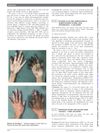
October 2021 in “Cureus” Smoking can cause yellow discoloration of upper lip hair and nails.
12 citations
,
January 2002 in “Environmental and Molecular Mutagenesis” Smoking reduces antioxidants and causes DNA damage in hair follicles.
March 2008 in “International Society of Hair Restoration Surgery” Smoking 20+ cigarettes daily increases the risk of severe hair loss in men.
Psychosis can be an early sign of neuropsychiatric lupus, treatable with tailored medication.
 July 2025 in “Pakistan Journal of Medicine and Dentistry”
 Smoking increases the risk and severity of male pattern baldness.
Smoking worsens lipid profiles and white blood cell counts and lowers prolactin in women with PCOS.
 September 2024 in “Journal of the American Academy of Dermatology”
 Smoking can cause and worsen male pattern hair loss.
11 citations
,
October 2005 in “Toxicological Sciences” Cigarette smoke condensates increase tumor-promoting markers in mouse skin, especially around hair follicles.