July 2025 in “Zenodo (CERN European Organization for Nuclear Research)” Ritlecitinib helps regrow hair in alopecia areata and is safe for long-term use.
July 2025 in “Zenodo (CERN European Organization for Nuclear Research)” Ritlecitinib helps regrow hair in alopecia areata and is safe for long-term use.
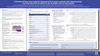 March 2025 in “SKIN The Journal of Cutaneous Medicine”
  December 2023 in “Forensic science international. Genetics”
 The RapidHIT ID system can effectively get DNA profiles from hair roots with enough cells.
4-(Ethoxycarbophenyl) retinamide is much less toxic than other retinoids.
April 2023 in “Journal of Investigative Dermatology” RNase L suppresses regeneration in mammals.

The document's conclusion cannot be provided because the document is not available or cannot be read.
September 2023 in “Journal of the American Academy of Dermatology” March 2026 in “SKIN The Journal of Cutaneous Medicine” Ritlecitinib is being tested for safety and effectiveness in young children with severe alopecia areata.
 6 citations
,
September 2019 in “Skin pharmacology and physiology”
6 citations
,
September 2019 in “Skin pharmacology and physiology” RCS-01 therapy is safe and may improve skin structure by affecting gene expression.
 November 2002 in “Hair transplant forum international”
 The IBHRS is now operational.
4 citations
,
April 2012 in “The journal of investigative dermatology/Journal of investigative dermatology” Krt16-deficient mice help understand skin disorders like PC and FNEPPK.
18 citations
,
January 2013 in “Evidence-based Complementary and Alternative Medicine” Aconiti Lateralis Preparata Radix helps mouse stem cells grow and turn into bone cells faster than usual methods.
December 2012 in “http://isrctn.org/>”  15 citations
,
January 2024 in “The AAPS Journal”
15 citations
,
January 2024 in “The AAPS Journal” 50-mg ritlecitinib capsules are bioequivalent to 100-mg capsules.
 February 2026 in “Frontiers in Immunology”
 Ivarmacitinib significantly improved hair regrowth in severe alopecia areata after tofacitinib was less effective.
 1 citations
,
November 2019 in “The Korea Journal of Herbology”
1 citations
,
November 2019 in “The Korea Journal of Herbology” The herbal mixture RAA promotes hair growth and could be an alternative treatment for hair loss.
 July 2016 in “Hair transplant forum international”
 The document's content couldn't be processed to provide a conclusion.
 September 2025 in “Journal of Medicinal Chemistry”
 AR-27 E-Chol siRNA can effectively regrow hair by reducing androgen receptor gene activity.
February 2026 in “The Plant Journal” ADF8 and ADF11 help root hairs grow by responding to hormones and environmental signals.
6 citations
,
March 2024 in “SKIN The Journal of Cutaneous Medicine” Ritlecitinib is effective for long-term treatment of severe alopecia areata.
June 2025 in “Korean Journal of Pharmacognosy” Isoalantolactone promotes hair growth by activating specific cell pathways.
 2 citations
,
January 2022 in “bioRxiv (Cold Spring Harbor Laboratory)”
2 citations
,
January 2022 in “bioRxiv (Cold Spring Harbor Laboratory)” A protein called FERONIA helps control root hair growth in response to cold and low nitrogen by activating nutrient-sensing pathways in a plant called Arabidopsis.
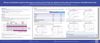 November 2024 in “SKIN The Journal of Cutaneous Medicine”
 Ritlecitinib effectively promotes hair regrowth in severe and very severe alopecia areata.
 April 2018 in “Journal of Investigative Dermatology” 15 citations
,
September 2012 in “PTR. Phytotherapy research/Phytotherapy research”
April 2018 in “Journal of Investigative Dermatology” 15 citations
,
September 2012 in “PTR. Phytotherapy research/Phytotherapy research” Ginsenosides Rb₁ and Rd may help prevent hair loss by promoting hair cell growth.
 December 2022 in “Research Square (Research Square)”
 The QuantAnts machines can find cancer markers and create CRISPR targets for them.
16 citations
,
September 2019 in “Journal of biological chemistry/The Journal of biological chemistry” Mice without certain skin enzymes have faster hair growth and bigger eye glands.
 September 2023 in “Dermatology and therapy”
 Ritlecitinib effectively improves hair growth in alopecia areata patients, regardless of hair loss pattern.
 August 2023 in “Journal of Dermatological Science”
 A specific RNA molecule blocks hair growth by affecting a protein related to hair loss conditions.