229 citations
,
May 2006 in “Journal of Experimental Botany” Reactive oxygen species are essential for plant root hair growth.
1 citations
,
April 2015 in “The FASEB journal” UVB exposure increases skin proteins for retinoic acid synthesis and shifts their location, possibly affecting skin repair.
October 2025 in “Animals” Blue light masks improved coat condition and energy in horses with PPID.
June 2025 in “British Journal of Dermatology” Licensed hair gloss products improve shine and smoothness but require stricter regulation to ensure safety.
 13 citations
,
April 2016 in “Journal of Dermatology”
13 citations
,
April 2016 in “Journal of Dermatology” 308-nm excimer light therapy helped over a third of treatment-resistant alopecia universalis patients regrow most of their hair.
 February 2026 in “American Journal of Clinical Dermatology”
 Radiotherapy can cause skin fibrosis, which is often overlooked and needs better treatment and evaluation.
 January 2024 in “Wiadomości Lekarskie”
 Point of Care in radiology speeds up diagnosis and treatment by performing tests where the patient is.
July 2025 in “Journal of Investigative Dermatology” High-dose UVA-1 therapy improves symptoms and skin condition in sclerosing skin disease.
 3 citations
,
June 2020 in “Open access rheumatology”
3 citations
,
June 2020 in “Open access rheumatology” A patient with Rhupus was diagnosed with Rowell syndrome and treated with various medications.
July 2026 in “Journal of the American Academy of Dermatology” Acanthosis Nigricans is the most common skin sign of insulin resistance.
 1 citations
,
November 2023 in “Rice”
1 citations
,
November 2023 in “Rice” PRX102 is essential for rice root hair growth by helping transport substances to the tips.
 August 2025 in “Systematic Reviews”
 Photobiomodulation may improve certain health conditions, but more high-quality research is needed.
5 citations
,
January 2018 in “Indian Journal of Dermatology/Indian journal of dermatology” A woman got a skin rash from taking aceclofenac, which went away after she stopped the drug.
 December 2024 in “Dermatologic Surgery”
 Dual wavelength LED caps can safely increase hair density in androgenetic alopecia.
 July 2018 in “Our Dermatology Online”
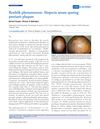
 Alopecia areata does not affect areas with psoriasis plaques.
8 citations
,
January 2017 in “Korean Journal of Physiology and Pharmacology” Pimecrolimus boosts melanin production and movement of skin pigment cells.
9 citations
,
March 2017 in “Journal of Visualized Experiments” The assay effectively identifies compounds that affect immune cell activation.
January 2020 in “Emergency Medicine News” Early diagnosis, decontamination, and supportive care are crucial for managing acute radiation syndrome.
1 citations
,
April 2025 in “Frontiers in Medicine” New insights into skin damage from UV exposure suggest potential treatments, including targeting specific RNAs and combining therapies for better outcomes.
512 citations
,
February 2008 in “Science” Reactive oxygen species and calcium create a feedback loop that shapes root hair cells.
378 citations
,
February 2020 in “Nature Reviews Endocrinology” 2 citations
,
November 2025 in “Pharmaceutics” Moderately lipophilic dyes penetrate skin deeply, while highly hydrophobic or lipophilic dyes stay on the surface.
 20 citations
,
April 2011 in “British Journal of Dermatology”
20 citations
,
April 2011 in “British Journal of Dermatology” Reflectance confocal microscopy can tell apart white dots on the scalp as either sweat gland ducts or hair follicle openings.
January 2012 in “Hacettepe University Institutional Repository (hacettepe.edu.tr)” Microbeam Radiation Therapy is effective, but using a linear accelerator reduces its benefits.
 January 2017 in “NASA Technical Reports Server (NASA)”
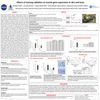
 Early changes in skin gene expression can predict later bone mass loss after radiation exposure.
June 2025 in “Rapid Communications in Mass Spectrometry” December 2009 in “Expert review of dermatology” Vitamin D may help protect against nonmelanoma skin cancer.
22 citations
,
September 2022 in “Medicina” Using two types of lasers together improves skin tone and collagen remodeling.
5 citations
,
January 2025 in “Aesthetic Surgery Journal Open Forum” Sequential monopolar-bipolar radiofrequency improves skin regeneration and quality better than monopolar alone.

Radiofrequency microneedling improves the absorption of topical triamcinolone acetonide, especially with deeper needle insertion.