3 citations
,
July 2025 in “Clinical and Experimental Dermatology” Ritlecitinib may be more effective for severe alopecia areata than conventional treatments.
 July 2025 in “The Journal of Dermatology”
 Ritlecitinib has common side effects like headache and acne, and unexpected ones like diabetes and thyroid issues.
May 2025 in “CPT Pharmacometrics & Systems Pharmacology” A 50 mg non-loading dose of ritlecitinib is safe for adults and adolescents.
A 29-year-old woman with symptoms of both lupus and rheumatoid arthritis improved with specific medications.
 3 citations
,
March 1932 in “Journal of the American Medical Association”
3 citations
,
March 1932 in “Journal of the American Medical Association” Radium exposure causes severe health issues, so strict safety measures are essential.
January 2024 in “Ankara City Hospital Medical Journal” Rhupus is a complex syndrome that combines rheumatoid arthritis and lupus, making diagnosis challenging.
46 citations
,
May 2021 in “Stem Cell Research & Therapy” Strontium ranelate helps cartilage growth by blocking a specific cell pathway.
 17 citations
,
April 2015 in “Tropical Journal of Pharmaceutical Research”
17 citations
,
April 2015 in “Tropical Journal of Pharmaceutical Research” Asiasari Radix et Rhizoma is safe and has potential for new drug development due to its therapeutic properties.
 19 citations
,
June 2011 in “British Journal of Dermatology”
19 citations
,
June 2011 in “British Journal of Dermatology” Severe digestive issues in DRESS need early endoscopy for better treatment.
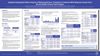 July 2025 in “SKIN The Journal of Cutaneous Medicine”
 Ritlecitinib is generally safe for alopecia areata patients over 72 months.
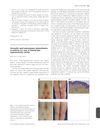 6 citations
,
February 2016 in “British Journal of Dermatology”
6 citations
,
February 2016 in “British Journal of Dermatology” A woman with a drug allergy to anakinra was successfully desensitized, allowing her to continue treatment without allergic reactions.
November 2025 in “Journal of Investigative Dermatology” Ritlecitinib effectively treats severe Alopecia Areata by reducing harmful immune activity in the skin.
January 2026 in “Regenerative Biomaterials” Advanced hydrogels can autonomously deliver drugs to treat radiation skin injuries, but challenges remain for clinical use.
 9 citations
,
July 2022 in “EMBO molecular medicine”
9 citations
,
July 2022 in “EMBO molecular medicine” Blocking certain immune signals can reduce skin damage from radiation therapy.
2 citations
,
September 2024 in “Expert Opinion on Drug Metabolism & Toxicology” Ritlecitinib is an effective new treatment for Alopecia Areata.
 March 2021 in “Research Square (Research Square)”
 Patients with RASopathies have a higher risk of autoimmune disorders and should be routinely screened.
6 citations
,
October 2023 in “JAAD Case Reports” Risankizumab may help manage symptoms of dissecting cellulitis of the scalp.
 March 2021 in “Research Square (Research Square)”
 Strontium ranelate helps cartilage growth by blocking a specific cell pathway.
 1 citations
,
March 2026 in “American Journal of Clinical Dermatology”
1 citations
,
March 2026 in “American Journal of Clinical Dermatology” Ritlecitinib effectively regrows hair in severe alopecia areata, especially in adolescents.
Heated radish extract may help lighten skin and reduce aging signs.
November 2025 in “SKIN The Journal of Cutaneous Medicine” Ritlecitinib is generally safe for adolescents with alopecia areata over 5 years.
 16 citations
,
August 2011 in “Annals of Allergy Asthma & Immunology”
16 citations
,
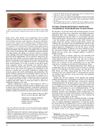
August 2011 in “Annals of Allergy Asthma & Immunology” A woman with severe angioedema improved significantly after treatment with rituximab.
 January 2024 in “Ankara City Hospital Medical Journal”
 Rhupus is a complex syndrome that is hard to diagnose due to unclear clinical criteria.
 January 2024 in “American journal of clinical dermatology”
 Ritlecitinib is safe and well-tolerated for treating alopecia areata in patients aged 12 and older.
November 2024 in “Skin Appendage Disorders” Clinicians should consider individual factors and communicate risks and benefits when prescribing ritlecitinib for adolescent alopecia areata.
 April 2023 in “The journal of investigative dermatology/Journal of investigative dermatology”
 Ritlecitinib significantly improves scalp hair regrowth in alopecia areata patients over time.
21 citations
,
September 2019 in “International Journal of Nanomedicine” RADA16-I can effectively deliver and release mangiferin, improving its solubility and bioavailability.
March 2023 in “SKIN The Journal of Cutaneous Medicine” Ritlecitinib helped most alopecia areata patients regrow hair by Week 48.
 26 citations
,
June 2018 in “The journal of immunology/The Journal of immunology”
26 citations
,
June 2018 in “The journal of immunology/The Journal of immunology” AIRE-deficient rats developed severe autoimmune disease similar to APECED, useful for testing treatments.
February 2026 in “International Journal of Dermatology” Ritlecitinib shows promise in improving hair regrowth in adolescents with alopecia areata.