 October 2023 in “Journal of Advanced Sciences”
 Platelet Rich Fibrin (PRF) is a safe, effective tool for tissue regeneration and healing in various medical fields.
39 citations
,
November 2007 in “Experimental dermatology” Human hair follicles contain a complex network of prostanoid receptors that may influence hair growth.
36 citations
,
July 2005 in “Journal of Neuroendocrinology” Blocking certain brain processes reduces mating behavior in female rats.

A high neutrophil-to-lymphocyte ratio may predict poor response to hair loss treatment.
2 citations
,
May 2024 in “BMC Genomics” Certain genetic changes in the KRT82 gene may cause patchy skin in New Zealand rabbits.
8 citations
,
July 1977 in “Lipids” High levels of certain fats in rapeseed oil can reduce the skin's ability to produce prostaglandin E2 and cause hair loss and skin issues in rats.
October 2021 in “QJM: An International Journal of Medicine” PRP injections may help treat hair loss.
36 citations
,
October 2023 in “Periodontology 2000” L-PRF is effective for bone regeneration in the mouth.
23 citations
,
July 2015 in “PubMed” PDGF and its receptors are crucial for stem cell growth and function.
5 citations
,
August 2005 in “Anatomy and Embryology” Rat skin has a linear system of nerve fibers linked to hair follicles and muscles.
5 citations
,
September 2013 in “BMB Reports” BMPR1a-ECD reduces wrinkles much more effectively than retinoic acid.
 62 citations
,
May 1997 in “Journal of Pharmaceutical Sciences”
62 citations
,
May 1997 in “Journal of Pharmaceutical Sciences” Sebaceous glands in the skin play a key role in absorbing the antiandrogen drug RU 58841, especially when it's encapsulated in liposomes.
26 citations
,
April 1996 in “Journal of Investigative Dermatology” December 2022 in “Biochemical and Biophysical Research Communications” HtrA2 activity is crucial for normal hair growth by regulating fat cell development.
September 2023 in “Journal of the American Academy of Dermatology” Oral difelikefalin significantly reduces itch in notalgia paresthetica.
1 citations
,
November 2022 in “Journal of Investigative Dermatology” ALRN-6924 may prevent hair loss caused by chemotherapy.
7 citations
,
October 1992 in “PubMed” Sinus hair follicles in mammals have different nerve fiber types with species-specific patterns, especially in cats.
 1 citations
,
January 2025 in “American Journal of Translational Research”
1 citations
,
January 2025 in “American Journal of Translational Research” PPARα agonists may help treat alopecia areata by reducing inflammation.
January 2022 in “Menoufia Medical Journal /Menoufia Medical Journal” Higher levels of retinol-binding protein 4 are found in people with alopecia areata, but these levels don't relate to how severe the condition is.
 3 citations
,
December 2019 in “Journal of Cosmetic and Laser Therapy”
3 citations
,
December 2019 in “Journal of Cosmetic and Laser Therapy” PRGF treatments increased hair number and thickness in people with hair loss, with more injections leading to better results.
21 citations
,
November 2019 in “Molecular & Cellular Proteomics” Citrullinated proteins from Porphyromonas gingivalis may contribute to rheumatoid arthritis.
 61 citations
,
May 2016 in “Scientific reports”
61 citations
,
May 2016 in “Scientific reports” The peptide IMT-P8 can effectively deliver proteins into the skin and cells for potential skin treatments.
April 2023 in “Journal of Investigative Dermatology” PRP can improve hair growth in people with hair loss, but more research is needed.
1 citations
,
May 2003 in “The journal of investigative dermatology/Journal of investigative dermatology” A hormone affects hair growth, certain molecules may prevent skin damage, a skin disease is linked to immune cells, glycerol helps skin hydration, and psoriasis treatment trials need improvement.
January 2003 in “Papyrus : Institutional Repository (Université de Montréal)”  136 citations
,
June 2006 in “Journal of Dermatological Science”
136 citations
,
June 2006 in “Journal of Dermatological Science” PDGF isoforms can promote and sustain hair growth.
 April 2019 in “Journal of Investigative Dermatology”
 Combining platelet-rich plasma injections and gel may effectively treat morphea, improving skin elasticity and reducing pain.
 24 citations
,
July 2017 in “Structure”
24 citations
,
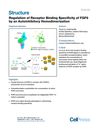
July 2017 in “Structure” FGF9 controls which receptors it binds to through a process where two FGF9 molecules join, and changes in FGF9 can lead to incorrect receptor activation.
 March 2020 in “The journal of investigative dermatology/Journal of investigative dermatology”
 Suppressing very long chain fatty acids is linked to skin cancer.
October 2022 in “Biomolecules” Allopregnanolone can reduce gut inflammation and normalize neurotransmitter levels after finasteride withdrawal.