 May 2026 in “International Journal of Veterinary Science”
 Higher dihydrotestosterone levels reduce crowing complexity in Kokok Balenggek roosters.
Men with androgenetic alopecia may have higher triglycerides, suggesting a link to lipid metabolism.
 April 2026 in “bioRxiv (Cold Spring Harbor Laboratory)”
 Hair follicles protect melanocytes from sun damage, helping them replenish skin.
 April 2026 in “Frontiers in Cell and Developmental Biology”
 CD200- cells in hair follicles have a higher ability to regenerate hair.
 April 2026 in “Experimental & Molecular Medicine”
 Mouse and human skin development share similar fibroblast timelines.
 March 2026 in “Nature Communications”
 Genetic factors, skin barrier, immune function, and obesity influence risk of fungal skin infections.
 January 2026 in “Quality in Sport”
 Semaglutide may help some skin disorders but can also cause skin issues.
 January 2026 in “Frontiers in Pharmacology”
 Cedrol may help treat inflammatory bowel disease by improving gut health and function.
 January 2026 in “Clinical Cosmetic and Investigational Dermatology”
 Early diagnosis and targeted anti-inflammatory treatments can improve outcomes in androgenetic alopecia with perifollicular inflammation and fibrosis.
 December 2025 in “Cureus”
 Higher IL-17A and IL-23 levels are linked to alopecia areata severity and could help in tracking and treating the disease.
 December 2025 in “Aesthetic Plastic Surgery”
 The new near-infrared LED device improves skin and hair with no side effects.
 December 2025 in “Scientific Reports”
 Gut microbiota and metabolic pathways may play a key role in PCOS development.
 November 2025 in “Frontiers in Pharmacology”
 64 drugs can cause hair loss, needing better monitoring and updated labels.
 November 2025 in “Frontiers in Endocrinology”
 Women with prediabetes may have a higher risk of PCOS-like changes, especially if they have impaired glucose tolerance.
 November 2025 in “Dermatology and Therapy”
 The drinkable supplement increased hair growth and was safe for women with hair loss.
 November 2025 in “Frontiers in Immunology”
 SQSTM1 gene issues may increase the risk of alopecia areata.
 November 2025 in “Frontiers in Medicine”
 Baseline severity and relapse history affect alopecia areata treatment and recurrence.
 November 2025 in “EXPERIMENTAL ANIMALS”
 Stingless bee propolis may help regenerate hair follicles and improve pigment function in chemotherapy-induced hair loss.

Blocking autophagy worsens lipid buildup and dysfunction in brain cells after injury.
Combining nanotechnology with herbal medicine may improve PCOS treatment.
 July 2025 in “Scientific Reports”
 Six key genes can predict bladder cancer outcomes and may serve as prognostic biomarkers.
Wasabi leaf extract affects gene expression in skin cells.
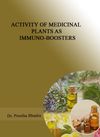
Tridax procumbens may boost the immune system.
 January 2025 in “American Journal of Translational Research”
 Erianin may effectively treat alopecia areata by targeting the immune system.
 January 2025 in “Investigative and Clinical Urology”
 SHPro® improved urinary symptoms and erectile function in men and is safe.
 December 2024 in “Turkish Society of Clinical Biochemistry”
 Higher BPA levels may be linked to idiopathic hyperandrogenemia in women.

Dexamethasone-primed stem cell media shows promise in treating lupus by reducing symptoms and inflammation.

Removing SIX1 in fat cells reduces skin fibrosis.
 April 2024 in “Lasers in medical science”
 Near-infrared LED light improves skin rejuvenation and hair growth better than white LED light.
 April 2024 in “Frontiers in pharmacology”
 Brepocitinib 30mg is most effective for moderate-to-severe alopecia areata, but ritlecitinib 50mg may offer a better balance of safety and effectiveness.