11 citations
,
January 1957 in “Journal of Histochemistry & Cytochemistry” Ca 45 mainly enters rat skin and eye through biosynthesis and may be adsorbed in cartilage and glands.
March 2026 in “Dyes and Pigments” Riboflavin and blue light speed up genipin hair dye, making it fast, glossy, stable, and eco-friendly.
 24 citations
,
November 2019 in “Experimental Dermatology”
24 citations
,
November 2019 in “Experimental Dermatology” PPAR-γ is important for healthy hair and its problems, and more research on PPAR-γ treatments is needed.
17 citations
,
January 2015 in “Dermatology online journal” A patient's grey hair regained color during treatment with adalimumab.
6 citations
,
March 1996 in “Journal of Investigative Dermatology” 5 citations
,
September 2019 in “Journal of Biomedical Optics” 1319-nm laser radiation can cause skin damage, with severity depending on exposure time and beam size.
51 citations
,
September 2000 in “Acta dermato-venereologica” PPAR alpha may help in hair growth and could be a target for treatment.
1 citations
,
February 2003 UV radiation causes significant protein loss and color changes in hair, especially blond hair.
September 2016 in “Journal of dermatological science” FGF18 helps hair follicles resist radiation by stopping hair growth cycles.
 July 2022 in “Research Square (Research Square)”
 Lower PPARγ levels and specific gene variations are linked to more severe Frontal Fibrosing Alopecia.
July 2021 in “Plastic and reconstructive surgery. Global open” Radiation therapy in breast cancer patients changes gene expression related to DNA damage, fibroblast growth, and hair follicle development, which could help improve treatment for radiation-induced fibrosis.
 March 2024 in “Medical lasers”
 Multiple-wavelength radiation helps hair grow by boosting early hair follicle development.
22 citations
,
November 2020 in “Frontiers in Physics” Proton minibeam radiotherapy shows promise for sparing healthy tissue in cancer treatment but needs further research and technological development.
Gamma radiation enhances the antioxidant properties of Hibiscus rosa-sinensis extract without causing toxicity.
10 citations
,
November 2009 in “Pigment cell & melanoma research” The document concludes that MGRN1 affects mouse fur color by interfering with a receptor's signaling, but its full role in the body is still unknown.
 50 citations
,
January 2014 in “PLOS ONE”
50 citations
,
January 2014 in “PLOS ONE” Heavy ion radiation has a more severe and long-lasting effect on mouse intestinal metabolites than gamma radiation.
May 1961 in “Tumori Journal” Vitamin A treatment reduced abnormal cell growth and improved skin conditions in rats with tumors.
 April 2019 in “Radiotherapy and oncology”
 HPV infection is linked to better survival in advanced anal cancer, higher radiation doses improve survival, especially in HPV-negative patients, and prostaglandin E₂ pretreatment can protect mouse hair follicles from radiation damage.
 3 citations
,
October 2020 in “International journal of radiation research”
3 citations
,
October 2020 in “International journal of radiation research” Feeding rats gamma-irradiated flour with pests affects the pests and does not significantly harm the rats.
 10 citations
,
December 2005 in “Aktuelle Dermatologie”
10 citations
,
December 2005 in “Aktuelle Dermatologie” Alfatradiol (0.025%) is an effective and safe treatment for hair loss in both women and men.
February 2023 in “Default Digital Object Group”  September 2009 in “European Urology Supplements”
 Cone beam computed tomography can allow for smaller safety margins around the target area in prostate cancer radiation treatment if used for ongoing treatment checks.
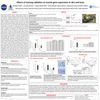 January 2017 in “NASA Technical Reports Server (NASA)”
 Early changes in skin gene expression can predict later bone mass loss after radiation exposure.
 6 citations
,
November 2012 in “Hair transplant forum international”
6 citations
,
November 2012 in “Hair transplant forum international” The Laxometer helps make hair transplants with many grafts safer.
 19 citations
,
November 1971 in “Clinica Chimica Acta”
19 citations
,
November 1971 in “Clinica Chimica Acta” The document concludes that measuring γ-glutamyl transpeptidase activity is more accurate with a higher substrate concentration and using diluted acetic acid to stop the reaction.
 11 citations
,
October 2019 in “Journal of Cancer Immunology”
11 citations
,
October 2019 in “Journal of Cancer Immunology” Combining Proton Minibeam with FLASH Radiotherapy may improve cancer treatment by reducing side effects and increasing effectiveness.
8 citations
,
January 2024 in “Journal of Materials Chemistry B” ADM hydrogels help heal radiation skin injuries.
1 citations
,
September 2020 in “bioRxiv (Cold Spring Harbor Laboratory)” γδ T cells are crucial for early wound healing after a skin virus infection.
 19 citations
,
December 2015 in “Journal of Investigative Dermatology”
19 citations
,
December 2015 in “Journal of Investigative Dermatology” The protein p53 directly reduces the production of Keratin 17, a skin and hair protein, in rats with radiation dermatitis.
1 citations
,
April 1961 in “OSTI OAI (U.S. Department of Energy Office of Scientific and Technical Information)” Radiation affects plant growth differently, with high doses being harmful, but some lower doses can increase yield.