26 citations
,
January 2005 in “PubMed” RUM-loaded SLN shows promise for treating acne and hair loss topically.
6 citations
,
February 1985 in “Archives of Dermatology” Systemic corticosteroids can cause unusual skin issues in people with juvenile rheumatoid arthritis.
75 citations
,
January 2004 in “Molecular and Cellular Biology” XEDAR deficiency prevents muscle degeneration in EDA-A2 transgenic mice.
 26 citations
,
September 2012 in “Journal of The American Academy of Dermatology”
26 citations
,
September 2012 in “Journal of The American Academy of Dermatology” Patients with rapidly progressive alopecia areata often have a better outlook and shorter disease duration, with regrown fine hairs and no past alopecia being positive signs.
 January 2026 in “MDPI (MDPI AG)”
 The hairy ear mutation in mice is linked to changes in gene expression affecting hair growth.
53 citations
,
October 2003 in “Genetics” The mK6irs1/Krt2-6g gene likely causes wavy hair in mice.
July 2025 in “Journal of the European Academy of Dermatology and Venereology” 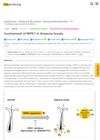
RIPK1 inhibitors might help prevent alopecia areata.
15 citations
,
January 2025 in “Journal of the European Academy of Dermatology and Venereology” Ritlecitinib is effective and safe for treating alopecia areata, promoting significant hair regrowth.
 June 2025 in “International Journal of Nephrology and Renovascular Disease”
 PLA2R1 overexpression harms kidney cells by stopping their growth cycle.
41 citations
,
February 2021 in “Translational research” Non-coding RNAs could help detect and treat radiation damage.
June 2025 in “British Journal of Dermatology” Ritlecitinib may cause serious side effects like blood clots in alopecia areata patients.
 9 citations
,
September 2015 in “Reproductive Biomedicine Online”
9 citations
,
September 2015 in “Reproductive Biomedicine Online” Longer GGN repeats in the androgen receptor gene are linked to polycystic ovary syndrome.
 14 citations
,
April 2019 in “Genes”
14 citations
,
April 2019 in “Genes” Researchers found a genetic region that influences the number of coat layers in dogs.
 April 2026 in “Zenodo (CERN European Organization for Nuclear Research)”
 The model improves understanding of androgen interactions by focusing on signal intensity and system capacity.
 March 2024 in “Research Square (Research Square)”
 The TT genotype of a specific SNP in sheep is linked to better wool quality.
37 citations
,
February 2010 in “Psychoneuroendocrinology” Androgen self-administration might be controlled by membrane receptors, not nuclear ones.
February 2018 in “bioRxiv (Cold Spring Harbor Laboratory)” Rodent spiny hair traits are due to genetic factors other than the Edar gene.
 November 1971 in “Bulletin of Experimental Biology and Medicine”
 The location of a skin injury affects how well a rat's skin can heal.
7 citations
,
July 2023 in “Immunotherapy” Ritlecitinib works well and is safe for treating alopecia areata.
13 citations
,
July 2016 in “Indian Journal of Dermatology” DPR can show different hair characteristics, as seen in two brothers with normal hair.
 January 2024 in “Clinical, cosmetic and investigational dermatology”
 A child with a rare vitamin D-resistant condition improved with treatment.
January 2021 in “Universal Journal of Pharmaceutical Research” Russelia equisetiformis extract protects against liver damage from paracetamol.
 December 2023 in “Jurnal Penelitian Pendidikan IPA”
 PRP heals pockmarked skin better than salmon DNA serum.
2 citations
,
July 2025 in “Scientific Reports” Acinetobacter strain A1-4-2 can safely clean water pollutants.
13 citations
,
June 2017 in “Biochimie open” All five human steroid 5α-reductase enzymes are found in the endoplasmic reticulum.
Children with Parry Romberg Syndrome had successful facial fat-grafting surgeries after disease stabilization with no complications.
30 citations
,
February 2021 in “Journal of Medical Virology” TMPRSS2 affects COVID-19 severity and treatment options.
October 1990 in “Pediatric Research” Nocturnal calcium infusions improved a boy's severe rickets without causing hair loss.
 February 2025 in “Intisari Sains Medis”
 PDRN from salmon may slow skin aging by improving skin quality and reducing inflammation.