29 citations
,
July 2015 in “Journal of Medical Genetics” A genetic variant in the KRT25 gene causes tightly curled hair.
 38 citations
,
February 2006 in “British Journal of Clinical Pharmacology”
38 citations
,
February 2006 in “British Journal of Clinical Pharmacology” The study found that combining different databases gives a better estimate of drug side effects in hospitals.
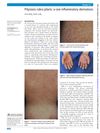 February 2018 in “BMJ case reports”
 An 18-year-old woman was diagnosed with a rare skin condition called Pityriasis rubra pilaris.
21 citations
,
April 2008 in “Toxicologic Pathology” CI-1033 causes skin lesions in rats, similar to humans, due to EGF receptor inhibition.
September 2025 in “Blood Advances” Targeting androgen receptor signaling may improve acute myeloid leukemia treatment.
 57 citations
,
May 2014 in “Molecular Phylogenetics and Evolution”
57 citations
,
May 2014 in “Molecular Phylogenetics and Evolution” The research found how GPCR Class A Rhodopsin receptors are related and suggested possible substances they interact with.
4 citations
,
August 2022 in “Cells” lncRNA2919 slows down rabbit hair growth by stopping cell growth and causing cell death.
October 2019 in “Research Square (Research Square)” Certain circular RNAs may regulate wool follicle growth in sheep.
November 2025 in “Journal of Investigative Dermatology” Ritlecitinib effectively treats severe Alopecia Areata by reducing harmful immune activity in the skin.
 48 citations
,
February 2016 in “Scientific Reports”
48 citations
,
February 2016 in “Scientific Reports” Researchers created rat liver stem cells that could help repair liver failure in rats and may be useful for studying human liver diseases.
3 citations
,
March 2016 in “Experimental Dermatology” A mutation in the hairless gene speeds up severe itchy skin in mice on a special diet.
 10 citations
,
October 2015 in “Journal of the International Association of Providers of AIDS Care”
10 citations
,
October 2015 in “Journal of the International Association of Providers of AIDS Care” A woman with HIV had a severe skin condition that improved with antiretroviral therapy.
 11 citations
,
August 2010 in “Developmental neurobiology”
11 citations
,
August 2010 in “Developmental neurobiology” Ptprq has multiple forms that change during inner ear development.
January 2024 in “Kafkas Universitesi Veteriner Fakultesi Dergisi” A specific genetic variation affects wool quality in sheep.
November 2025 in “SKIN The Journal of Cutaneous Medicine” Ritlecitinib is effective long-term for treating alopecia areata in teens.
 26 citations
,
December 2020 in “Nature metabolism”
26 citations
,
December 2020 in “Nature metabolism” Rapamycin treatment helps with mitochondrial disease by reducing PKC levels.
6 citations
,
June 1986 in “The Journal of Dermatology” Reticular erythematous mucinosis syndrome can occur with minimal mucin deposition.
 5 citations
,
February 2019 in “bioRxiv (Cold Spring Harbor Laboratory)”
5 citations
,
February 2019 in “bioRxiv (Cold Spring Harbor Laboratory)” Rapamycin may help treat Leigh syndrome by targeting protein kinase C.
18 citations
,
November 2009 in “Calcified tissue international” A genetic mutation caused severe rickets and alopecia in an Indian patient, but high-dose calcium and phosphate treatment improved their condition.
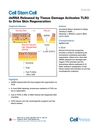 128 citations
,
August 2015 in “Cell Stem Cell”
128 citations
,
August 2015 in “Cell Stem Cell” Damage to skin releases dsRNA, which activates TLR3 and helps in skin and hair follicle regeneration.
 21 citations
,
January 2022 in “Biomaterials Science”
21 citations
,
January 2022 in “Biomaterials Science” RNA delivery is best for in-body use, while RNP delivery is good for outside-body use. Both methods are expected to greatly impact future treatments.
 October 2023 in “bioRxiv (Cold Spring Harbor Laboratory)”
 Hair follicles can be kept in RNAlater® at cool or room temperature for a week without harming RNA quality.
February 1990 in “Pathology, research and practice” PCS rats show significant inner ear damage and zinc deficiency, similar to liver cirrhosis patients.
January 2017 in “Journal of Chemical Biological and Physical Sciences” Human hair keratin genes have unique simple sequence repeats that may help track genetic variations.
 July 2025 in “Underline Science Inc.”
 ROS influences the growth and structure of Arabidopsis root hairs.
14 citations
,
July 2009 in “European Journal of Gastroenterology & Hepatology” Rapunzel syndrome is more common in Asian countries and requires early diagnosis, especially in Asian girls.
May 2025 in “Immunotherapy” Patients were very satisfied with hair regrowth after taking ritlecitinib for alopecia areata.
September 2025 in “Animals” Key circRNAs play a role in wool follicle development, aiding in breeding better quality wool sheep.
February 2026 in “Advanced Science” Targeting the p300/AR axis may help treat polycystic ovary syndrome.
Ritlecitinib improves hair regrowth in alopecia areata without increasing adverse risks.