 26 citations
,
December 2020 in “Nature metabolism”
26 citations
,
December 2020 in “Nature metabolism” Rapamycin treatment helps with mitochondrial disease by reducing PKC levels.
1 citations
,
September 2023 in “Frontiers in Genetics” A heterozygous mutation in HTRA1 can cause severe CARASIL symptoms.
November 2025 in “Journal of Investigative Dermatology” Ritlecitinib effectively treats severe Alopecia Areata by reducing harmful immune activity in the skin.
 1 citations
,
January 2020 in “Skin appendage disorders”
1 citations
,
January 2020 in “Skin appendage disorders” A family was found with both Trichorhinophalangeal syndrome and Loose Anagen Syndrome, suggesting a genetic connection.
 October 2023 in “Psychiatry research. Case reports”
 A new HRAS gene variant may cause a range of symptoms including intellectual disability and psychiatric issues.
8 citations
,
September 2013 in “Molecular carcinogenesis” Rapamycin reduces skin cell growth and tumor development by affecting cell signaling in mice.
53 citations
,
January 2013 in “Journal of toxicologic pathology” The project created a standardized system for classifying skin lesions in lab rats and mice.
 92 citations
,
January 2012 in “International Journal of Biological Sciences”
92 citations
,
January 2012 in “International Journal of Biological Sciences” The document introduced a new naming system for keratin-associated proteins to improve clarity and communication across species.
 33 citations
,
February 2016 in “Journal of Experimental Botany”
33 citations
,
February 2016 in “Journal of Experimental Botany” ROOT HAIR SPECIFIC 10 (RHS10) reduces the length of root hairs in Arabidopsis plants.
 April 2023 in “Journal of Investigative Dermatology”
 The mTOR signaling pathway might play a role in radiation dermatitis, but more research is needed.
 May 2023 in “Experimental Dermatology”
 RCM and OCT are effective for diagnosing and monitoring hair-related skin diseases but lack standardized protocols and need more research.
 February 2025 in “International Journal of Molecular Sciences”
 RIPK1 inhibitors may help prevent alopecia areata by reducing immune cell activity.
November 2025 in “Journal of Investigative Dermatology” 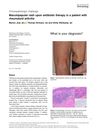 1 citations
,
November 2020 in “International Journal of Dermatology”
1 citations
,
November 2020 in “International Journal of Dermatology” Methotrexate caused a rare skin rash in a rheumatoid arthritis patient, which resolved after stopping the drug.
20 citations
,
December 2021 in “Journal of the American Academy of Dermatology” Continuous treatment with ritlecitinib and brepocitinib is needed to maintain hair regrowth in alopecia areata.
 July 2011 in “British Journal of Dermatology”
 Dermatologists give better information on pathology forms, hypersensitivity vasculitis is a common skin issue, misdiagnoses can occur, and various skin conditions are linked to loss of elastin or genetic factors.
1 citations
,
January 2019 in “Pan African Medical Journal” Keratosis pilaris causes small skin bumps, mainly in women, and treatments offer only temporary relief.
May 2026 in “Journal of International Medical Research” Atrichia with papular lesions causes irreversible hair loss from infancy and is often misdiagnosed.
 17 citations
,
April 2015 in “Tropical Journal of Pharmaceutical Research”
17 citations
,
April 2015 in “Tropical Journal of Pharmaceutical Research” Asiasari Radix et Rhizoma is safe and has potential for new drug development due to its therapeutic properties.
 December 2024 in “Indian Journal of Dermatology”
 Dermoscopy is useful for diagnosing Atrichia with Papular Lesions in children without needing a biopsy.
 3 citations
,
March 2010 in “Dermatologica Sinica”
3 citations
,
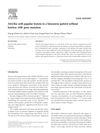
March 2010 in “Dermatologica Sinica” A Taiwanese patient had hair loss and skin bumps without the usual gene mutation, suggesting other genetic factors might be involved.
 March 2011 in “Journal of Dermatology”
 The conclusion is that a certain test might help find cancer spread in lymph nodes for melanoma patients, but more research is needed due to false positives.
Combining ATRA with TPO-RA effectively stabilizes platelet counts in ITP patients.
9 citations
,
October 2025 in “MedComm” PROTACs offer new ways to treat hard-to-target diseases, with promising drugs for cancer in advanced trials.
1 citations
,
April 2021 in “IntechOpen eBooks” The PCR technique can identify genetic differences in a wool-related gene among different sheep breeds, which may help improve wool and pelt quality.
7 citations
,
July 2023 in “Immunotherapy” Ritlecitinib works well and is safe for treating alopecia areata.
10 citations
,
February 2017 in “International Journal of Rheumatic Diseases” Thorough history taking is crucial for diagnosing hypothyroidism in rheumatoid arthritis patients.
 July 2003 in “British Journal of Dermatology”
 Some skin conditions are associated with other serious diseases, and office microscopy may miss many fungal infections.
1 citations
,
September 1993 in “Archives of Disease in Childhood” Biotinidase deficiency can be easily diagnosed and treated with biotin to prevent serious harm.
3 citations
,
October 2025 in “Cancer” PROTACs offer a new, precise way to treat cancer by breaking down harmful proteins.