25 citations
,
November 2010 in “Journal of Molecular Structure” Raman micro-spectroscopy can help distinguish basal cell carcinoma from hair follicles in skin tissue.
December 2013 in “American journal of transplantation” The patient improved after antiviral treatment for a viral infection.
23 citations
,
July 2003 in “Journal of Investigative Dermatology” Genetic testing for hairless gene mutations is crucial to correctly diagnose and treat atrichia with papular lesions.
 7 citations
,
July 1975 in “Acta dermato-venereologica”
7 citations
,
July 1975 in “Acta dermato-venereologica” A patient with Rothmund-Thomson syndrome showed skin changes, hair loss, and dental defects but no cataracts or skeletal issues.
39 citations
,
January 1977 in “Dermatology” The treatment cleared psoriasis in some patients but caused side effects in most.
 September 2023 in “Journal of The American Academy of Dermatology”
 Raman spectroscopy is promising for measuring and enhancing drug delivery in alopecia treatments.
 April 2026 in “Diagnostics”
 Parry–Romberg Syndrome can involve the brain even without obvious symptoms, and a new diagnostic framework is suggested for early detection.
21 citations
,
July 2011 in “Journal of the American Academy of Dermatology” A man developed a rash similar to pityriasis rubra pilaris after starting sorafenib for cancer, possibly due to the drug's effect on skin cells.
April 2008 in “Progrès en Urologie” 1 citations
,
May 2025 in “Indian Dermatology Online Journal” Sorafenib can cause rare skin reactions, but treatment can continue with additional care.
 9 citations
,
January 2017 in “Annals of Dermatology”
9 citations
,
January 2017 in “Annals of Dermatology” The study found genetic differences related to hair development that may explain hair loss in a patient with Trichorhinophalangeal syndrome type I.
18 citations
,
January 2009 in “Experimental Dermatology” mTOR may link different pathways in hair follicle tumor formation.
 1 citations
,
October 2025 in “Cureus”
1 citations
,
October 2025 in “Cureus” Ritlecitinib may cause severe musculoskeletal pain in some alopecia universalis patients.
 5 citations
,
February 2019 in “bioRxiv (Cold Spring Harbor Laboratory)”
5 citations
,
February 2019 in “bioRxiv (Cold Spring Harbor Laboratory)” Rapamycin may help treat Leigh syndrome by targeting protein kinase C.
17 citations
,
June 2003 in “The journal of investigative dermatology. Symposium proceedings/The Journal of investigative dermatology symposium proceedings” Mutations in hKAP1 genes may cause hereditary hair disorders.
9 citations
,
August 1980 in “Journal of Cutaneous Pathology” Rhodamin B stain is inconsistent for keratin in skin samples.
 1 citations
,
April 2012 in “Informa Healthcare eBooks”
1 citations
,
April 2012 in “Informa Healthcare eBooks” Some medications for inflammation can cause a condition with scalp rashes and hair loss, often linked to Crohn's disease, and may require treatment changes to prevent permanent hair loss.
 6 citations
,
March 2016 in “PLoS ONE”
6 citations
,
March 2016 in “PLoS ONE” The patient's hair was thinner and had fewer lipids due to a genetic mutation.
 10 citations
,
October 2015 in “Journal of the International Association of Providers of AIDS Care”
10 citations
,
October 2015 in “Journal of the International Association of Providers of AIDS Care” A woman with HIV had a severe skin condition that improved with antiretroviral therapy.
4 citations
,
January 2009 in “PubMed” A mutation in the KRT86 gene causes hair fragility in a Turkish family.
RXR and RAR proteins in skin may help with cell growth, hair growth, and gland function.
 April 2019 in “Journal of Investigative Dermatology”
 Non-coding RNA boosts retinoic acid production and signaling, aiding regeneration.
 February 2021 in “Pakistan Armed Forces Medical Journal”
 A rare skin condition usually found near the eyes was found on a farmer's scalp.
 6 citations
,
June 2011 in “British Journal of Dermatology”
6 citations
,
June 2011 in “British Journal of Dermatology” People with alopecia areata have higher levels of RBP4 protein and antibodies against it.
November 2025 in “Journal of Medicinal Chemistry” Topical PROTACs show promise for treating skin conditions but need better stability and delivery methods.
8 citations
,
January 2011 in “International journal of trichology” Accurate diagnosis of APL is crucial to avoid unnecessary treatments.
36 citations
,
December 2021 in “The journal of allergy and clinical immunology/Journal of allergy and clinical immunology/The journal of allergy and clinical immunology” Two drugs, ritlecitinib and brepocitinib, improved scalp hair loss condition markers.
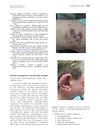
A 72-year-old man was diagnosed with a rare skin form of Rosai-Dorfman disease after years of misdiagnosis.
1 citations
,
January 2022 in “Skin appendage disorders” DCPA is a chronic skin condition affecting the legs, often misdiagnosed, and needs more research for better understanding and treatment.
 21 citations
,
April 2014 in “PLoS ONE”
21 citations
,
April 2014 in “PLoS ONE” A rare gene variant causes hair and nail issues in a family.