 1 citations
,
December 2022 in “Life”
1 citations
,
December 2022 in “Life” Topical corticosteroids are the main treatment for Erosive Pustular Dermatosis, but recurrence is common after stopping treatment.
 15 citations
,
March 2012 in “International journal of nanomedicine”
15 citations
,
March 2012 in “International journal of nanomedicine” Local injections of nanosized rhEPO can speed up skin healing and improve quality after deep second-degree burns.
3 citations
,
May 2024 in “Skin Appendage Disorders” Trichoscopy helps diagnose and understand Discoid Lupus Erythematosus on the scalp by identifying specific patterns.
1 citations
,
January 2025 in “Therapeutic Advances in Drug Safety” Antituberculosis drugs can cause severe skin reactions, requiring careful diagnosis and treatment.

Proretinal nanoparticles are a safe and effective way to deliver retinal to the skin.
5 citations
,
May 2022 in “Clinical & Experimental Metastasis” Minoxidil and ranolazine together can reduce the spread of certain breast cancer cells.
 17 citations
,
May 2016 in “Archives of Dermatological Research”
17 citations
,
May 2016 in “Archives of Dermatological Research” Reflectance confocal microscopy can help tell apart scarring from non-scarring hair loss.
 116 citations
,
August 2010 in “Nature”
116 citations
,
August 2010 in “Nature” Scientists turned rat thymus cells into stem cells that can help repair skin and hair.
August 2024 in “Latin American Journal of Development” 5α-reductase enzymes are crucial in certain disorders, and while treatment advances exist, more research on SRD5A3 is needed.
 August 1995 in “Journal of The European Academy of Dermatology and Venereology”
 New therapy helps treat hair loss.
1 citations
,
April 2025 in “Skin Health and Disease” Abrocitinib is being evaluated for safety and effectiveness in treating moderate to severe atopic dermatitis.
 January 2023 in “Journal of cosmetic dermatology”
 The synthetic retinoid EC23 thickens skin and promotes hair growth more effectively and with a lower dose than natural retinoids.
April 2026 in “Journal of Cutaneous Pathology” Alopecia can be caused by multicentric reticulohistiocytosis.
1 citations
,
June 2013 in “Annals of the Rheumatic Diseases” Methotrexate plus prednisolone had the fewest serious side effects.
 October 2024 in “International Journal of Molecular Sciences”
 Rosa rugosa extract promotes hair growth and could be a natural treatment for hair loss.
9 citations
,
October 1947 in “The Lancet” 1 citations
,
November 1947 in “The Lancet”  2 citations
,
February 2004 in “Biopolymers”
2 citations
,
February 2004 in “Biopolymers” 4-(4-Phenoxybenzoyl)benzoic acid derivatives can both increase and decrease certain types of reactive oxygen species, and may be relevant to hair loss.
 1 citations
,
October 2024 in “Dermatology Practical & Conceptual”
1 citations
,
October 2024 in “Dermatology Practical & Conceptual” Both rosemary extract and 2% ketoconazole lotions effectively treat seborrheic dermatitis and improve quality of life.
 September 2022 in “Journal of The American Academy of Dermatology”
 Baricitinib was effective in regrowing eyebrow and eyelash hair in patients with severe alopecia areata.
 November 2025 in “SKIN The Journal of Cutaneous Medicine”
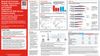
 Baricitinib helps regrow scalp, eyebrow, and eyelash hair in teens with severe alopecia areata.
2 citations
,
May 2024 in “BMC Genomics” Certain genetic changes in the KRT82 gene may cause patchy skin in New Zealand rabbits.
5 citations
,
July 1996 in “Journal of Cutaneous Medicine and Surgery” TTD patients don't have a higher skin cancer risk because their main issue is with transcription, not DNA repair.
 53 citations
,
May 2010 in “Journal of Cellular Physiology”
53 citations
,
May 2010 in “Journal of Cellular Physiology” Mice without Vitamin D receptors have hair growth problems because of issues in the hedgehog signaling pathway.
 November 2020 in “bioRxiv (Cold Spring Harbor Laboratory)”
 Dermal EZH2 controls skin cell growth and differentiation in mice.
 April 2026 in “Zenodo (CERN European Organization for Nuclear Research)”
 The model improves understanding of androgen interactions by focusing on signal intensity and system capacity.
 September 2023 in “Plant journal”
 A protein called GIS3 is important for the growth of root hairs in Arabidopsis by controlling two genes with the help of certain growth signals.
January 2012 in “Journal of Investigative Dermatology”  March 2026 in “Zenodo (CERN European Organization for Nuclear Research)”
 Eclipta alba has potential health benefits, including anticancer and antibacterial properties.
 November 1971 in “Bulletin of Experimental Biology and Medicine”
 The location of a skin injury affects how well a rat's skin can heal.