January 2012 in “Zhongguo nongye Kexue” The technology can create transgenic cashmere goats with improved wool quality.
January 2011 in “Zhongguo nongye Kexue” Transgenic sheep cells with spider silk gene were successfully created for future sheep hair expression.
 15 citations
,
April 2001 in “Journal of Dermatological Science”
15 citations
,
April 2001 in “Journal of Dermatological Science” KF19418 promotes hair growth similarly to minoxidil but is not better in live mice.
3 citations
,
August 2025 in “Advanced Therapeutics” Engineered cytokines show promise for improving tissue healing and safety in regenerative medicine.
July 2020 in “Journal of Tissue Engineering and Reconstructive Surgery”  September 2022 in “bioRxiv (Cold Spring Harbor Laboratory)”
 A parasite-derived molecule speeds up skin healing and affects immune cell behavior without increasing scarring.
November 2015 in “Journal of the Korea Academia-Industrial cooperation Society” The new assay can help develop products for hair re-growth.
January 2012 in “Heilongjiang xumu shouyi” EGF and KGF affect wool fineness in Gansu alpine Merino sheep.
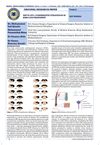 November 2025 in “PARIPEX-INDIAN JOURNAL OF RESEARCH”
 GFC is more effective than PRP for treating hair loss.
6 citations
,
October 2023 in “Animal Biotechnology” A specific gene variation in goats is linked to better growth traits.
46 citations
,
May 1995 in “Proceedings of the National Academy of Sciences” A specific gene region can control targeted and responsive gene expression in mice, useful for skin disorder treatments.
January 2026 in “Biochemical Pharmacology”  March 2026 in “Trends in Sciences”
 PRF and CGF are becoming more popular than PRP in regenerative medicine due to their simplicity and lack of additives.
1 citations
,
January 2019 in “PubMed” cgVEGF164 boosts hair follicle growth in mice.
January 2019 in “Archives of dermatology and skin care” Biomimetic peptides were found to promote hair growth and prolong the growth phase in human hair follicles.
 August 2024 in “Life Science Alliance”
 Helminth protein helps wounds heal better by reducing scarring and promoting tissue growth.
38 citations
,
January 2017 in “Mediators of Inflammation” Platelet-released growth factors can reduce inflammation in joint disease.
 February 2024 in “Research Square (Research Square)”
 Both PRP and L-GF treatments improved hair transplant results, with L-GF being slightly better, but the difference was not significant.
2 citations
,
July 2025 in “Acta Pharmacologica Sinica” Isoginkgetin reduces inflammation in cells by blocking NF-κB activation.
288 citations
,
January 2001 in “Journal of Biological Chemistry” Tgm2 helps stabilize dying cells and aids fibroblast attachment to the extracellular matrix.
 24 citations
,
October 2012 in “Journal of Ginseng Research”
24 citations
,
October 2012 in “Journal of Ginseng Research” Korean Red Ginseng may help improve hair regrowth when used with corticosteroid injections for Alopecia Areata.
August 2025 in “Animal nutrition” α-Ketoglutaric acid improves hair growth, rabbit performance, and antioxidant levels.
125 citations
,
August 2003 in “Development” Mice with human-like EGFR had growth issues, skin defects, heart problems, and unusual bone development.
 May 2026 in “Zenodo (CERN European Organization for Nuclear Research)”
 ONCO-NK-TRANSITION-GM1 is a low-cost, effective cancer treatment with a high cure rate and no severe side effects.
 May 2026 in “Zenodo (CERN European Organization for Nuclear Research)”
 ONCO-NK-TRANSITION-GM1 is a low-cost, effective cancer treatment with a high cure rate and no severe side effects.
January 2026 in “Industrial Crops and Products” Ginsenoside Rf from Panax ginseng promotes hair growth and could be a natural alternative for treating hair loss.
 25 citations
,
August 2007 in “Molecular Therapy”
25 citations
,
August 2007 in “Molecular Therapy” Researchers found a safe and effective way to pick genetically modified skin cells with high growth potential using CD24.
 14 citations
,
January 2008 in “Gene therapy”
14 citations
,
January 2008 in “Gene therapy” Gene therapy shows promise for enhancing physical traits but faces ethical, safety, and regulatory challenges.
April 2026 in “Journal of Dermatological Treatment” CGF and i-PRF are more effective and safer than PRP for treating female pattern hair loss.
91 citations
,
May 1972 in “Journal of Biological Chemistry” Transglutaminases work through a ping-pong mechanism, and human plasma and platelet transglutaminases have similar catalytic subunits.