Search
for
Sort by
Research
90-120 / 1000+ resultsresearch Updated Integrated Efficacy Analysis of Ritlecitinib Up to 3 Years in Adolescents With Alopecia Areata From the ALLEGRO Clinical Trials
Ritlecitinib is effective long-term for treating alopecia areata in teens.
research The Nutrition of the Newborn Dairy Calf III. The Response to a Photolyzed Milk Diet
Calves need enough riboflavin for healthy growth and development.
research Renbök phenomenon in a child: A new case and review of paediatric cases
research Efficacy and Safety of Ritlecitinib in Alopecia Areata: A Systematic Review and Meta-Analysis (Preprint)
Ritlecitinib improves hair regrowth in alopecia areata without increasing adverse risks.
research Strategy for Generating Blinded Evidence for Single-Arm Trials with External Controls Using Expert Review of Home Video
A new method uses expert reviews of home videos to objectively assess children's developmental milestones in single-arm trials.
research A COMPARISON OF THE TOXICITIES OF 4-(ETHOXYCARBOPHENYL) RETINAMIDE AND SOME OTHER RETINOIDS
4-(Ethoxycarbophenyl) retinamide is much less toxic than other retinoids.
research A phase 2a study investigating the effects of ritlecitinib on brainstem auditory evoked potentials and intraepidermal nerve fiber histology in adults with alopecia areata
Ritlecitinib is safe and may effectively treat alopecia areata.
research Patient satisfaction with hair regrowth in a study of ritlecitinib: a plain language summary
Patients were very satisfied with hair regrowth after taking ritlecitinib for alopecia areata.
research Unraveling Ritlecitinib: an in-depth analysis of JAK3 inhibitor for the treatment of alopecia areata
Ritlecitinib is an effective new treatment for Alopecia Areata.
research An LRH-RSL4 feedback regulatory loop controls the determinate growth of root hairs in Arabidopsis
A feedback loop between LRH and RSL4 controls root hair growth in Arabidopsis.
research How useful is ritlecitinib in alopecia areata?
Ritlecitinib helps regrow hair in alopecia areata and is safe for long-term use.
research Ritlecitinib in Alopecia Areata: A 24‐Week Real‐World Experience Contrasting JAK Inhibitor‐Naïve and JAK Inhibitor‐Experienced Patients
Ritlecitinib effectively reduces hair loss in JAK inhibitor-naïve alopecia areata patients.
research Evaluating the Therapeutic Potential of Ritlecitinib for the Treatment of Alopecia Areata
Ritlecitinib shows promise for hair regrowth in alopecia areata patients.
research An isotope dilution-liquid chromatography-tandem mass spectrometry-based candidate reference measurement procedure for the quantification of dehydroepiandrosterone sulfate in human serum and plasma
A new method accurately measures DHEAS in blood, improving on current tests.
research How useful is ritlecitinib in alopecia areata?
Ritlecitinib helps regrow hair in alopecia areata and is safe for long-term use.
research Analisis Morfologi Rambut Sebelum dan Sesudah Rebonding Menggunakan Scanning Electron Microscopy (SEM)
Rebonding damages hair cuticles, causing erosion and cracks.
research Moving Beyond Boundaries: Utilization of Longitudinal Exposure–Response Model for Bounded Outcome Score to Inform Decision Making in the Accelerated Drug Development Paradigm
A 50 mg daily dose of ritlecitinib is effective for alopecia areata, with temporary treatment breaks up to 6 weeks not affecting results.
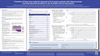
research Prediction of Long-term Scalp Hair Regrowth at 24 Months in Patients with Alopecia Areata Receiving Ritlecitinib Treatment in the ALLEGRO Clinical Trial Program
Certain patient characteristics can help predict hair regrowth success with ritlecitinib in alopecia areata.
research RTHP-40. EFFECT OF RIND-BASED DOSIMETRIC TECHNIQUES FOR SCALP DOSE REDUCTION IN BRAIN IRRADIATION
Rind-based techniques can lower scalp radiation dose and reduce hair loss in brain cancer treatment.
research Crystal structure of steroid reductase SRD5A reveals conserved steroid reduction mechanism
The structure of SRD5A reveals how it reduces steroids, aiding drug design for related health conditions.
research Maintenance, withdrawal, and re-treatment with ritlecitinib and brepocitinib in patients with alopecia areata in a single-blind extension of a phase 2a randomized clinical trial
Continuous treatment with ritlecitinib and brepocitinib is needed to maintain hair regrowth in alopecia areata.
research Safety and Efficacy of Ritlecitinib for the Treatment of Patients with Alopecia Areata: A Systematic Review and Meta-Analysis of Controlled Trials
Ritlecitinib effectively treats alopecia areata with manageable side effects.
research Patient Profile and Treatment Characteristics of Early Ritlecitinib Initiators in the US
Ritlecitinib provides new treatment options for diverse alopecia areata patients.
research A Cost-per-Responder Analysis of Ritlecitinib vs Baricitinib in Severe Alopecia Areata
Ritlecitinib is more effective and cost-efficient than baricitinib for severe alopecia areata.
research Molecular Predictors of Ritlecitinib Efficacy in Alopecia Areata: Role of JAK3-Dependent Inflammation and Follicular Integrity
Ritlecitinib can reduce inflammation and help hair regrow in Alopecia Areata.
research Integrated Safety Analysis of Ritlecitinib in Adolescent Patients with Alopecia Areata from the Randomized, Placebo-Controlled ALLEGRO Phase 2b/3 and Ongoing Open-Label Phase 3 ALLEGRO-LT Studies
research Efficacy and safety of ritlecitinib in adults and adolescents with alopecia areata: a randomised, double-blind, multicentre, phase 2b–3 trial
Ritlecitinib effectively treats alopecia areata and is well-tolerated.
research A Clinical Evaluation of the Safety, Efficacy, and Tolerability of the Soulflower Rosemary Redensyl Hair Growth Serum, Tetragain™, in Healthy Female Subjects for the Treatment of Alopecia: Promoting Hair Growth and Reducing Gray Hair
The serum effectively promotes hair growth and reduces gray hair without side effects.
research Spontaneous Lesions of Endangered Geriatric Julia Creek Dunnarts (Sminthopsis douglasi, Archer 1979) with Emphasis in Reproductive Pathology
Aged Julia Creek dunnarts suffer from reproductive and hormonal issues, aiding conservation efforts.