 May 2026 in “SAIMSARA Journal”
 Success in hair transplants depends on personalized techniques and careful planning.
 December 2025 in “Progress in Biomedical Engineering”
 New techniques like electrical stimulation and microneedling may improve hair growth and offer alternatives to current treatments.
July 2026 in “Journal of the American Academy of Dermatology” CRT is more effective than oral minoxidil alone for treating hair loss.
 January 2026 in “International Society of Hair Restoration Surgery”
 Tattoo machine-assisted drug delivery may improve hair growth in androgenetic alopecia.
4 citations
,
May 2025 in “Life” 3D bioprinting shows promise for better skin regeneration by creating structures similar to natural skin.
 October 2023 in “Biomaterials”
 Nanotechnology could improve hair regrowth but faces challenges like complexity and safety concerns.
September 2025 in “Journal of the American Academy of Dermatology” August 2015 in “PubMed Central” Epithelial-derived Pop-Up Keratinocytes (ePUKs) may enhance wound healing in regenerative medicine.
 June 2025 in “Journal of Cluster Science”
 Metal nanoparticles show promise for treating hair loss but need more research to ensure safety.
 August 2015 in “MOJ proteomics & bioinformatics”
 ePUKs could be valuable for regenerative medicine due to their wound healing abilities.
 May 2026 in “Premier journal of science.”
 Future treatments for hair loss may focus on personalized and regenerative approaches.
1 citations
,
October 2021 in “Indian Journal of Plastic Surgery” Stem cell treatments show promise for hair loss with simpler, effective procedures.
 January 2016 in “Frontiers in Bioengineering and Biotechnology”
 Honey applied to wounds speeds up healing and improves tissue repair.
 13 citations
,
October 2002 in “Journal of Investigative Dermatology”
13 citations
,
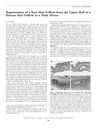
October 2002 in “Journal of Investigative Dermatology” The upper half of a human hair follicle can grow a new hair in a mouse, but success is rare.
 71 citations
,
February 2020 in “Journal of Translational Medicine”
71 citations
,
February 2020 in “Journal of Translational Medicine” Progress has been made in skin and nerve regeneration, but more research is needed to improve methods and ensure safety.
 7 citations
,
June 2022 in “Frontiers in Medicine”
7 citations
,
June 2022 in “Frontiers in Medicine” ADSC-derived extracellular vesicles show promise for skin and hair regeneration and wound healing.
January 2017 in “Padua@research (University of Padova)” Adult mesenchymal stem cells show promise in improving tendon, muscle, and skin healing.
 19 citations
,
February 2018 in “Cell Stem Cell”
19 citations
,
February 2018 in “Cell Stem Cell” Japan improved its regulation of regenerative medicine to ensure safety and prevent unproven treatments.
 December 2024 in “Highlights in Science Engineering and Technology”
 Stem cells show promise for hair regrowth, but challenges remain.
 60 citations
,
June 2019 in “Ageing Research Reviews”
60 citations
,
June 2019 in “Ageing Research Reviews” Fat from the body can help improve hair growth and scars when used in skin treatments.
1 citations
,
March 2024 in “Nanomaterials” Biomimetic scaffolds are better than traditional methods for growing cells and could help regenerate various tissues.
July 2026 in “Dermatological Reviews” Exosomes have potential in medicine but face challenges in standardization and approval.
May 2025 in “Dermatology Reports” Combining fat grafting and hair transplantation successfully restored hair in a woman with scarring alopecia.
 43 citations
,
June 2016 in “Clinics in Plastic Surgery”
43 citations
,
June 2016 in “Clinics in Plastic Surgery” The conclusion is that fat grafting is safe and effective but carries risks that need careful management.
 7 citations
,
March 2017 in “Actas Dermo-Sifiliográficas”
7 citations
,
March 2017 in “Actas Dermo-Sifiliográficas” Several new treatments for different types of hair loss show promise in improving patient quality of life.
 2 citations
,
November 2023 in “Curēus”
2 citations
,
November 2023 in “Curēus” Platelet-rich plasma (PRP) speeds up skin wound healing and has potential in medical and cosmetic uses.
 1 citations
,
June 2010 in “Development”
1 citations
,
June 2010 in “Development” The document concludes that pig iPSCs show promise for transplant therapies and the field is advancing in controlling cell behavior for biology and medicine.
December 2025 in “Journal of Surgery” This technique improves delivery and effectiveness of exosomes for tissue regeneration.
 508 citations
,
February 2007 in “Cell”
508 citations
,
February 2007 in “Cell” Epithelial stem cells are crucial for tissue renewal and repair, and understanding them could improve treatments for damage and cancer.
 24 citations
,
May 2016 in “Stem Cell Reviews and Reports”
24 citations
,
May 2016 in “Stem Cell Reviews and Reports” The document concludes that understanding how adult stem and progenitor cells move is crucial for tissue repair and developing cell therapies.