 April 2023 in “Journal of Investigative Dermatology”
 Some patients who had a severe drug reaction developed long-term hair loss.
 105 citations
,
February 2017 in “British Journal of Dermatology”
105 citations
,
February 2017 in “British Journal of Dermatology” Survivors of Stevens-Johnson syndrome/toxic epidermal necrolysis need ongoing care for various long-term health problems.
1 citations
,
January 2025 in “Therapeutic Advances in Drug Safety” Antituberculosis drugs can cause severe skin reactions, requiring careful diagnosis and treatment.
 2 citations
,
August 2022 in “Federal Practitioner”
2 citations
,
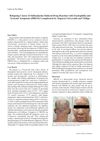
August 2022 in “Federal Practitioner” A severe medication reaction required long treatment and led to hair loss and thyroid issues.
 18 citations
,
November 2018 in “Annals of the Academy of Medicine Singapore”
18 citations
,
November 2018 in “Annals of the Academy of Medicine Singapore” Sulfasalazine can cause severe allergic reactions leading to long-term autoimmune issues like hair loss and skin discoloration.
 273 citations
,
May 2017 in “The Lancet”
273 citations
,
May 2017 in “The Lancet” Some drugs can cause rare but potentially deadly skin reactions, and early treatment and avoiding the drug again are key.
 2 citations
,
January 2014 in “Elsevier eBooks”
2 citations
,
January 2014 in “Elsevier eBooks” The document concludes that reactivation of herpesviruses, especially HHV-6, is linked to severe symptoms and complications in drug-induced hypersensitivity syndrome.

Doxycycline or flucloxacillin can cause a rare, severe skin reaction that can be fatal, especially in the elderly.
 39 citations
,
January 2012 in “Acta dermato-venereologica”
39 citations
,
January 2012 in “Acta dermato-venereologica” Early detection and stopping the drug are key to managing DRESS, and careful monitoring is important due to possible severe reactions.
 19 citations
,
June 2011 in “British Journal of Dermatology”
19 citations
,
June 2011 in “British Journal of Dermatology” Severe digestive issues in DRESS need early endoscopy for better treatment.
 3 citations
,
July 2017 in “Elsevier eBooks”
3 citations
,
July 2017 in “Elsevier eBooks” Skin reactions are a common reason for emergency visits due to drug allergies, with some severe cases needing intensive care.
 January 2022 in “Dermatology Review”
 Higher IL-31 levels are linked to worse itching in chronic kidney disease patients.
 November 2025 in “Open Repository of the University of Porto (University of Porto)”
 Minoxidil and spironolactone can improve hair growth, but responses vary and side effects are common.

Finasteride can reduce prostate cancer risk but may delay diagnosis and cause sexual side effects.
14 citations
,
April 2020 in “Journal of the American Academy of Dermatology” Viral reactivation is rare at the time of DRESS diagnosis in the U.S.
December 2025 in “Biomedicines” Tyrosine kinase inhibitors for endocrine tumors often cause skin issues, requiring early management and treatment adjustments.
26 citations
,
June 2020 in “The Journal of Allergy and Clinical Immunology In Practice” A patient developed a severe skin reaction and died after taking hydroxychloroquine for COVID-19.
30 citations
,
July 2023 in “Journal of Cutaneous Medicine and Surgery” Understanding sex and gender differences can improve personalized dermatology care.
2 citations
,
May 2024 in “Australasian Journal of Dermatology” Early diagnosis, innovative treatments, and considering systemic conditions are crucial in dermatological care.
 1 citations
,
April 2023 in “Archives of Dermatological Research”
1 citations
,
April 2023 in “Archives of Dermatological Research” Skin emergency severity rises with other health issues and affects multiple organs; a new grading system can improve patient care.
October 2022 in “The Laryngoscope” The InCISE score is a promising tool for assessing wound healing in head and neck surgery but needs more research for broader use.
 1 citations
,
November 2024 in “Cureus”
1 citations
,
November 2024 in “Cureus” Recognizing RSCC is crucial due to its aggressive nature and high risk of poor outcomes.
3 citations
,
October 2022 in “Journal of Cosmetic Dermatology” CAR is a useful marker for assessing alopecia areata severity.
September 2023 in “Journal of the American Academy of Dermatology”  3 citations
,
November 2017 in “The American Journal of Cosmetic Surgery”
3 citations
,
November 2017 in “The American Journal of Cosmetic Surgery” The new Cosmetic Surgery Scar Assessment Scale (CSSAS) was found to be simple and effective in evaluating scars from hair restoration surgeries.
 12 citations
,
July 2011 in “European Journal of Dermatology”
12 citations
,
July 2011 in “European Journal of Dermatology” The VSCAPSI is a helpful method for evaluating the severity of scalp psoriasis.
 March 2026 in “Biomedicines”
 Antera 3D® offers more precise and detailed scar assessment than traditional methods.
3 citations
,
December 2022 in “The Neurologist” CARASIL, a rare genetic disorder, was confirmed in an Arabic woman, highlighting its rarity and need for stroke prevention.
6 citations
,
October 2023 in “JAAD Case Reports” Risankizumab may help manage symptoms of dissecting cellulitis of the scalp.
 January 2025 in “Turkish Journal of Cerebrovascular Diseases”
 CARASIL can cause different symptoms even with the same genetic mutation.